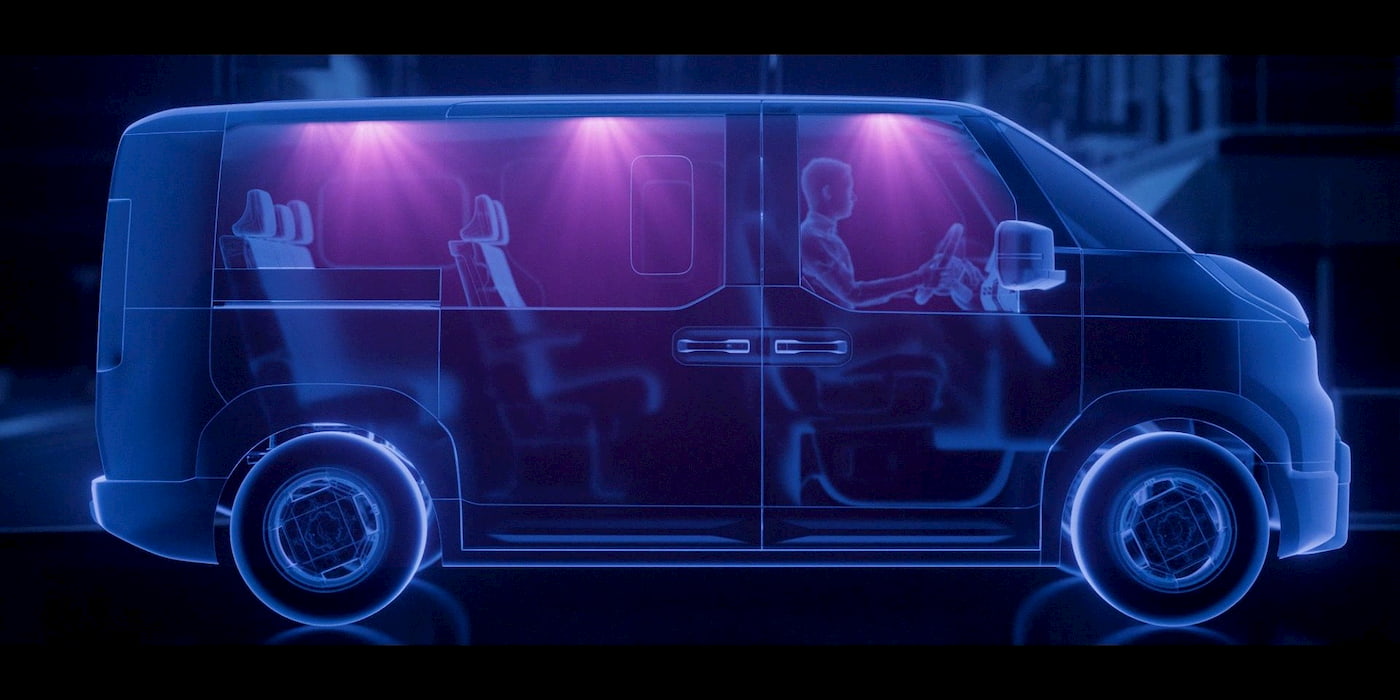
Hyundai and Kia have developed what they claim is the industry's first integrated in-vehicle sanitization system, recently tested in the PV5 compact crossover. The technology targets bacterial and viral contamination inside the cabin, addressing growing consumer concerns about air quality and pathogen transmission in shared or family vehicles.
The specifics of the sanitization method remain limited in the announcement, but the Korean automakers positioned this as a response to post-pandemic health awareness. Vehicle interiors represent a genuine hygiene challenge. Steering wheels, door handles, climate controls, and seats accumulate bacteria and viruses from regular use. Traditional cabin air filters address airborne particles but not surface contamination.
Hyundai and Kia's approach to integrated sanitization reflects broader industry trends. Luxury brands like Mercedes-Benz have introduced HEPA filtration and ionization systems. Genesis, Hyundai's premium division, already offers advanced air purification. This move pushes sanitization into mainstream offerings, potentially becoming an expectation rather than a luxury feature.
The PV5 serves as the testbed for good reason. This compact crossover targets price-conscious buyers in markets like China and Southeast Asia, where air quality concerns and health awareness drive purchasing decisions. A proven sanitization system could differentiate Hyundai and Kia products in competitive segments where features matter to buyers comparing options.
Implementation strategy remains unclear. Automakers typically integrate such systems through UV-C light arrays, ozone generation, or photocatalytic surfaces. Durability, maintenance requirements, and safety protocols determine real-world viability. Customers need to understand how the system activates, how often it runs, and whether it requires professional servicing.
This technology announcement signals where the industry heads post-pandemic. Health features increasingly influence trim packages and option lists. Hyundai and Kia recognize that