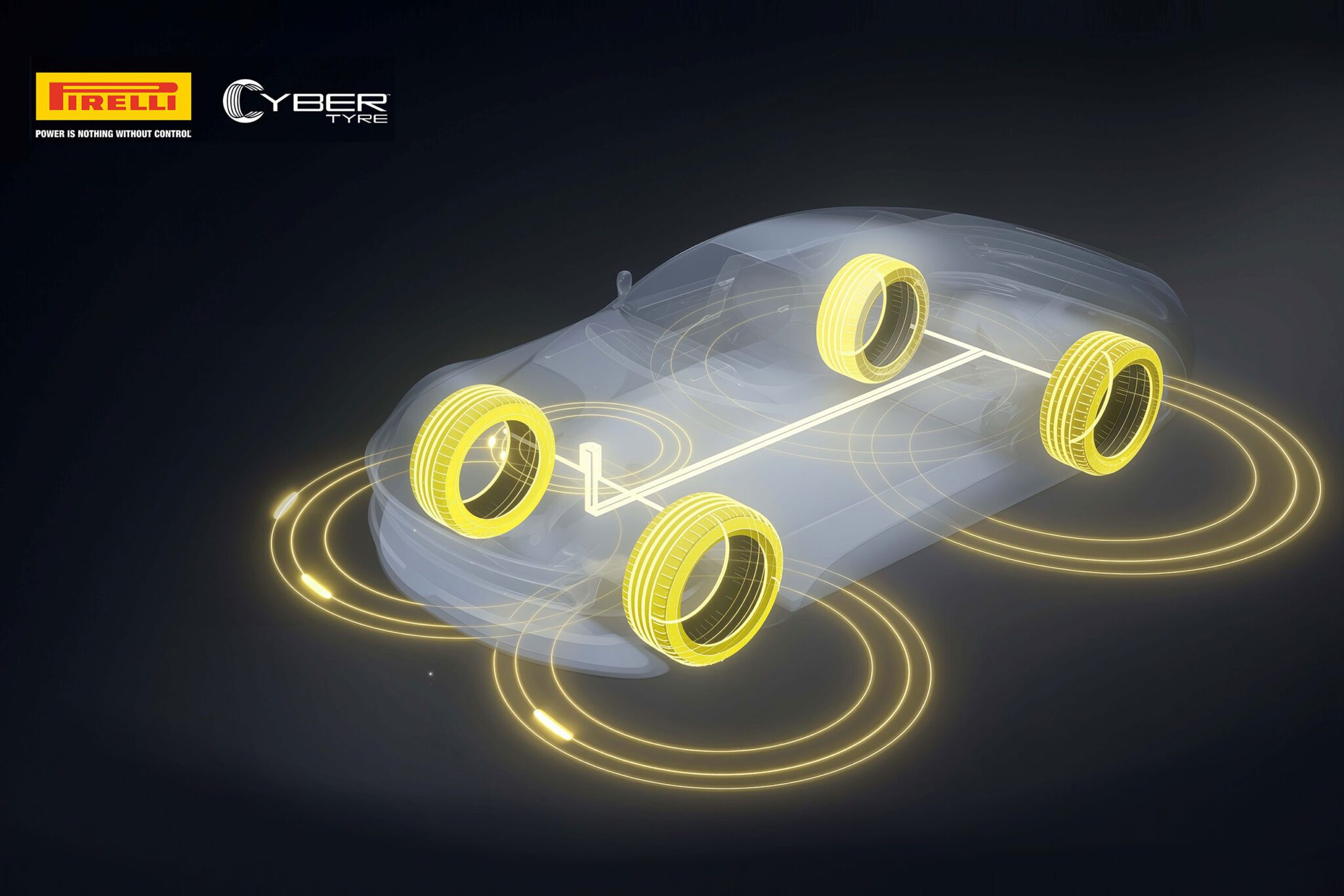
Pirelli has acquired a stake in RIDEsense, a move that positions the Italian tyre maker to embed real-time vehicle sensor technology directly into its rubber. This investment accelerates Pirelli's "Cyber Tyre" strategy, transforming conventional tyres into active data collection points rather than passive components.
RIDEsense technology enables tyres to capture and transmit road surface conditions, vehicle dynamics, and structural integrity data wirelessly. Pirelli can integrate these sensors into production tyres, creating a permanent diagnostic layer that communicates continuously with vehicle systems and cloud platforms. The data flows back to drivers and manufacturers about tread wear, pressure anomalies, grip levels, and road hazards in real time.
This reflects a broader industry shift. Tyres sit at the critical junction between vehicle and road surface, making them ideal locations for safety and performance monitoring. Competitors including Continental, Goodyear, and Michelin have pursued similar sensor integration strategies. But Pirelli's RIDEsense stake gives it proprietary control over the technology stack, rather than relying on third-party partnerships.
The automotive applications span multiple markets. Connected vehicle platforms gain granular data for autonomous driving development. Fleet operators reduce maintenance costs by detecting tyre issues before catastrophic failure. Consumers receive early warnings about safety concerns. Manufacturers leverage tyre telemetry to improve suspension tuning and vehicle stability algorithms.
Pirelli serves major OEMs including Ferrari, Lamborghini, BMW, and Mercedes-Benz. Embedding Cyber Tyre capabilities into premium and performance segments first establishes the technology in price-insensitive segments. Volume adoption follows as manufacturing scales and costs decline.
The RIDEsense investment also signals Pirelli's pivot toward software and connectivity revenue streams. Tyres themselves face commoditization pressure. Extracting value from data