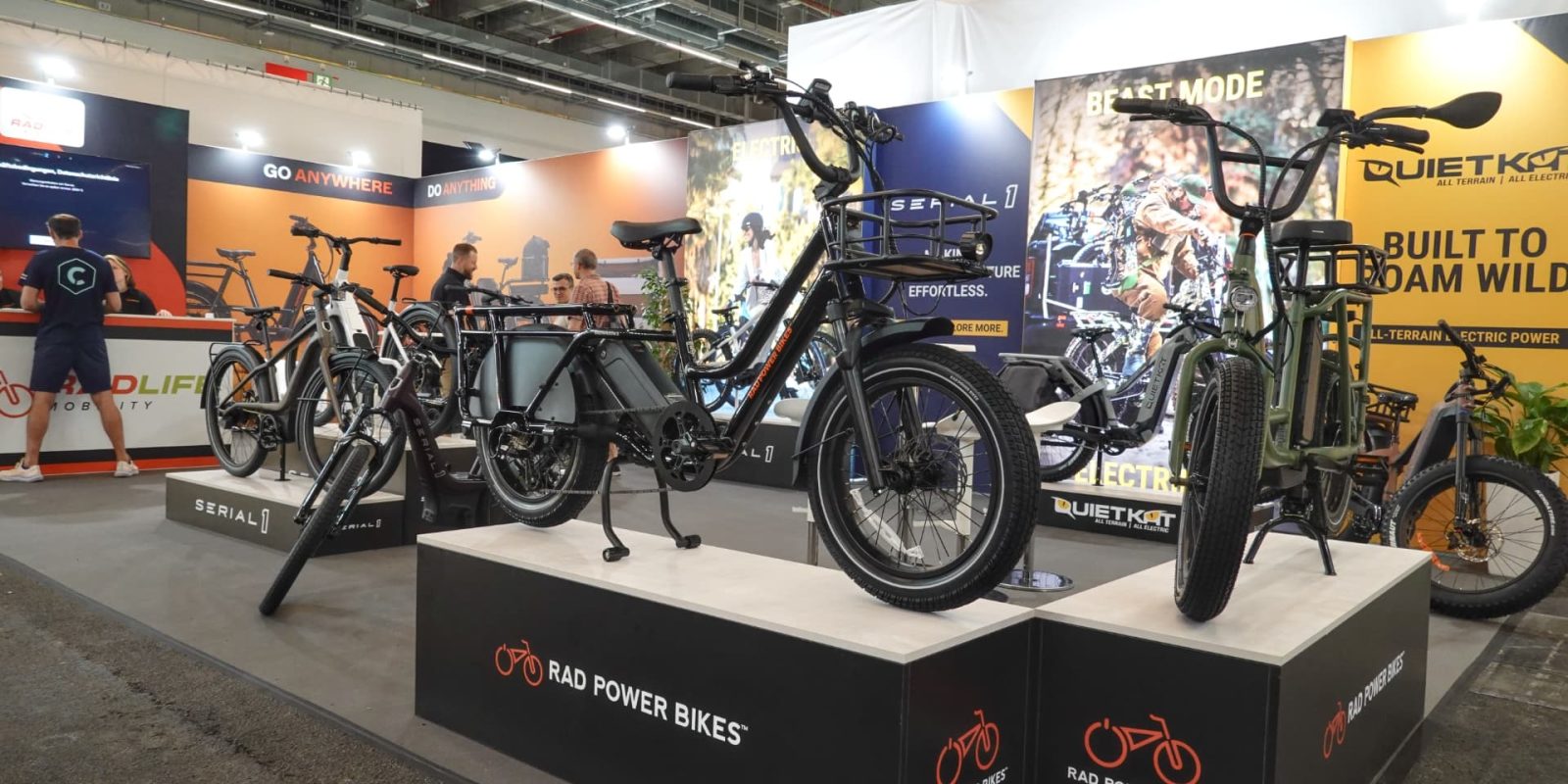
Rad Life Mobility has moved fast since acquiring Rad Power Bikes, rolling out its consolidated e-bike portfolio at Eurobike. The company, relatively unknown in the industry months ago, has already assembled multiple brands under its umbrella in the North American market.
The acquisition signals consolidation in a maturing e-bike sector. Rad Power Bikes built its reputation selling direct-to-consumer commuter and cargo e-bikes at accessible price points, capturing significant market share during the pandemic e-bike boom. The brand's lineup includes the popular RadCity and RadPower models, which dominate affordable urban mobility.
Rad Life Mobility's strategy centers on brand aggregation rather than consolidation under a single nameplate. By maintaining separate identities for acquired brands, the company preserves customer loyalty and market positioning while leveraging shared supply chains, manufacturing, and distribution infrastructure. This approach mirrors consolidation patterns seen in other consumer categories.
The Eurobike appearance demonstrates Rad Life Mobility's intent to establish itself as a credible industry player capable of competing with established names like Trek, Giant, and Specialized. Displaying a diverse portfolio signals scale and staying power to retailers, investors, and consumers skeptical of private equity-backed startups.
North American e-bike demand remains strong but volatile. After pandemic-era shortages and supply chain chaos, the market corrected downward in 2023 and 2024. Consumers now demand proven reliability, service support, and brands with longevity. Rad Life Mobility's acquisition spree addresses these concerns by acquiring established names with customer bases already built.
The move also hedges against regulatory uncertainty. U.S. tariffs on Chinese e-bikes remain contested, and potential import duties could reshape the economics of imported models. Owning multiple brands allows flexibility in sourcing and production strategies.
For Rad Power customers, the acquisition