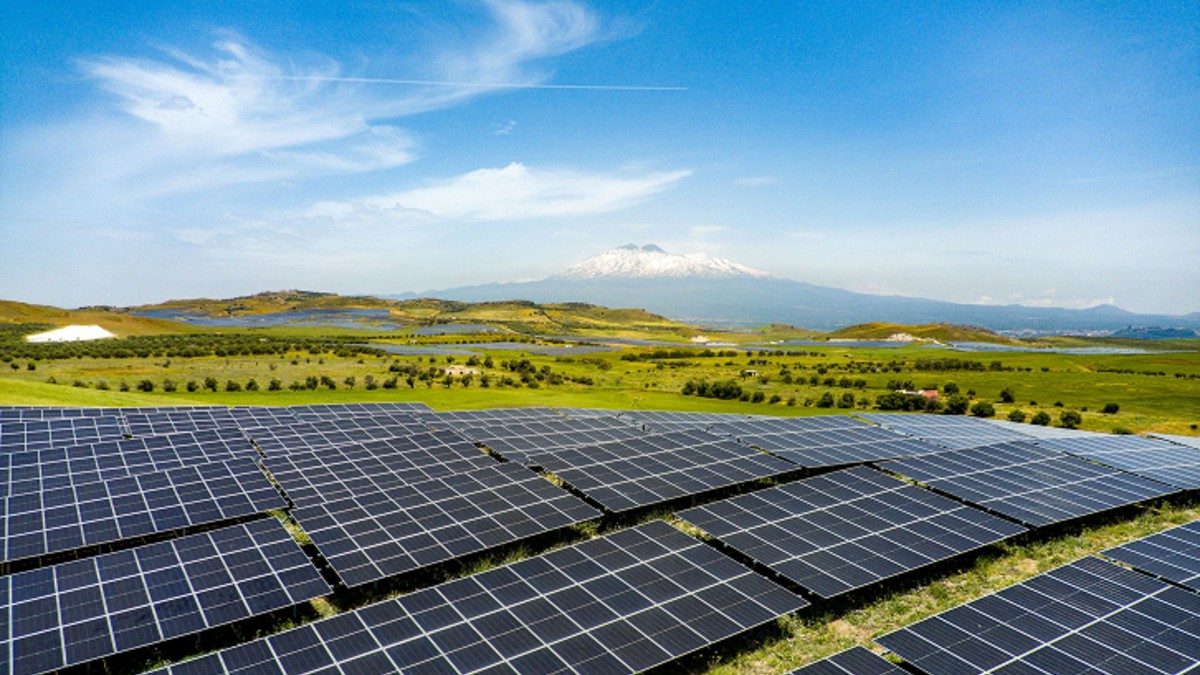
Spain's Iberdrola has inaugurated Italy's largest solar farm in Sicily, marking a significant expansion of the nation's renewable energy capacity. The facility represents a major step forward in Italy's push to reduce fossil fuel dependence and meet EU climate targets.
Italy has aggressively ramped up solar installations over the past two years, competing with Germany and France to lead Europe's renewable transition. Solar deployment now ranks among the continent's fastest-growing energy sectors, driven by government incentives, falling panel costs, and corporate sustainability commitments.
The Sicily facility joins a growing network of utility-scale solar projects across southern Europe. Iberdrola, one of the world's largest renewable energy operators, operates similar mega-farms in Spain and Portugal. These installations typically generate 100+ megawatts of power and serve regional grids and industrial customers.
For automotive relevance, this matters. EV adoption depends on grid decarbonization. Italy's charging infrastructure relies increasingly on renewable sources, particularly solar farms like this one. As more Italians buy electric vehicles, clean baseload power becomes critical. A grid powered by coal or gas undercuts the environmental case for electrification. Solar farms in Sicily feed power to urban centers and highway charging networks, reducing the carbon footprint of EV charging across the peninsula.
Italy also manufactures components for EV powertrains and battery systems. Lower-cost renewable energy improves production economics for suppliers serving Volkswagen, Ferrari, Lamborghini, and other automakers with Italian operations. Cheaper grid power cuts manufacturing costs and supports competitiveness against Asian battery producers.
The Sicily project also reflects EU industrial policy. The bloc mandates member states hit renewable energy targets by 2030. Italy's solar boom helps it avoid EU fines while positioning domestic tech companies as renewable equipment suppliers. This infrastructure investment underpins the broader energy transition that will reshape automotive markets across Europe for