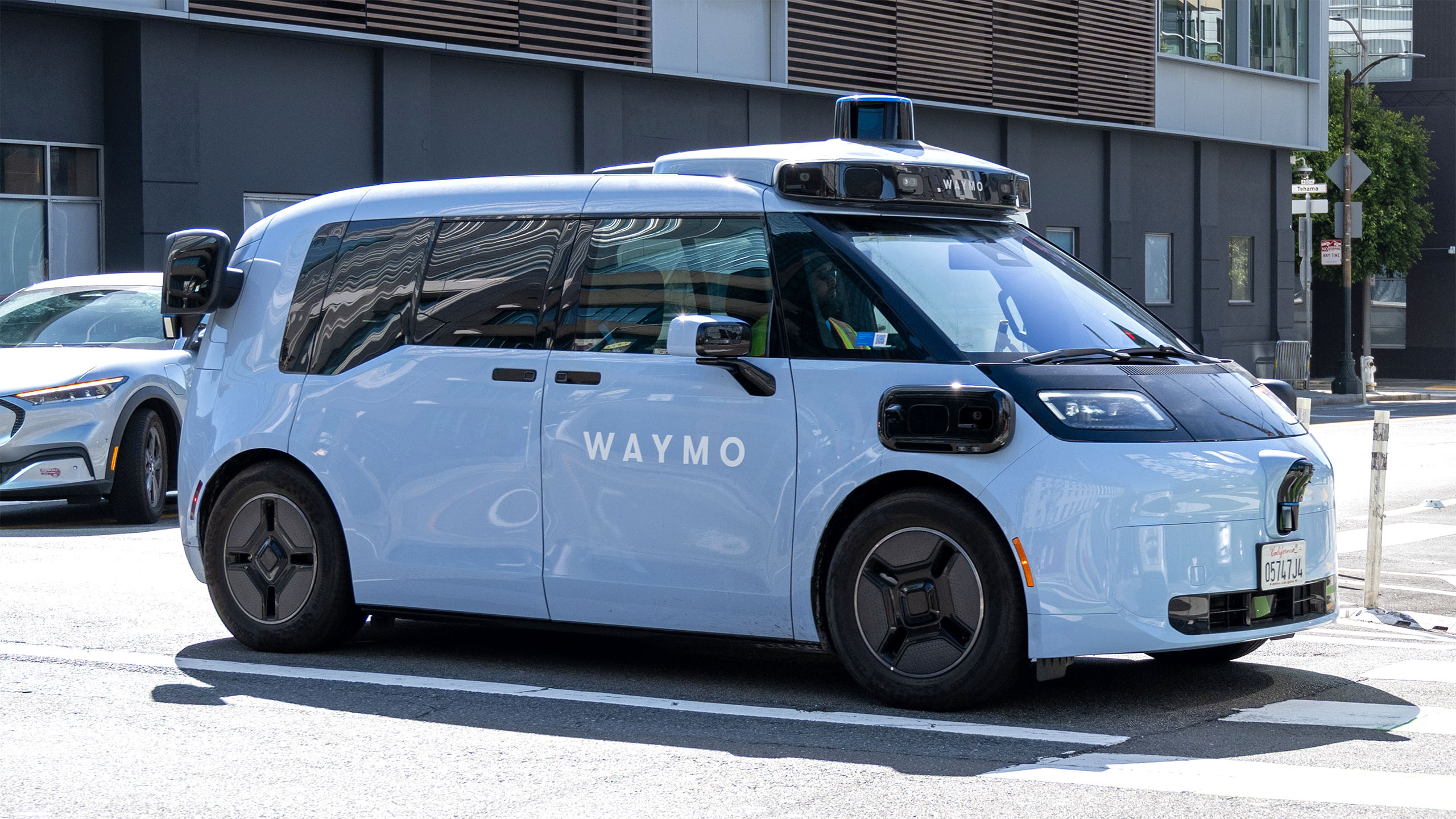
The National Highway Traffic Safety Administration is moving forward with plans to remove brake pedals from autonomous vehicles, a step intended to streamline robotaxi design and accelerate deployment. The regulatory shift eliminates a mechanical requirement that currently ties self-driving cars to traditional vehicle architecture, freeing manufacturers like Waymo and Cruise to pursue novel cabin layouts.
The catch: NHTSA has not yet determined how passengers will stop a vehicle in genuine emergencies. The agency is deferring that critical safety question to future rulemaking, essentially greenlighting pedal-free robotaxis while the braking solution remains undefined. This regulatory gap represents a significant leap of faith in autonomous vehicle reliability.
Removing brake pedals makes sense for fully driverless vehicles. Robotaxis carry no steering wheel or pedals because no human operator sits at the controls. Passengers cannot be expected to understand complex autonomous systems or react appropriately in edge cases. A traditional brake pedal in a robotaxi cabin would create confusion and false confidence in non-drivers.
The industry has pushed for this change for years. Waymo's vehicles already lack pedals and steering wheels. Cruise operated similar designs until its robotaxis faced regulatory pressure following a collision in San Francisco. Allowing pedal elimination gives manufacturers design flexibility and cost savings.
Yet the open question about emergency stops exposes real vulnerability. What happens when a passenger experiences a medical emergency, feels unsafe, or believes the vehicle is malfunctioning? Passengers need some way to halt motion. Options could include an emergency button, voice command system, or app-based intervention, but NHTSA has made no mandate.
This approach reflects broader regulatory philosophy under the Biden administration. NHTSA has been permissive toward autonomous vehicle testing and deployment, prioritizing innovation speed over prescriptive safety rules. The assumption embedded in this decision is that autonomous systems will perform reliably enough that emergency