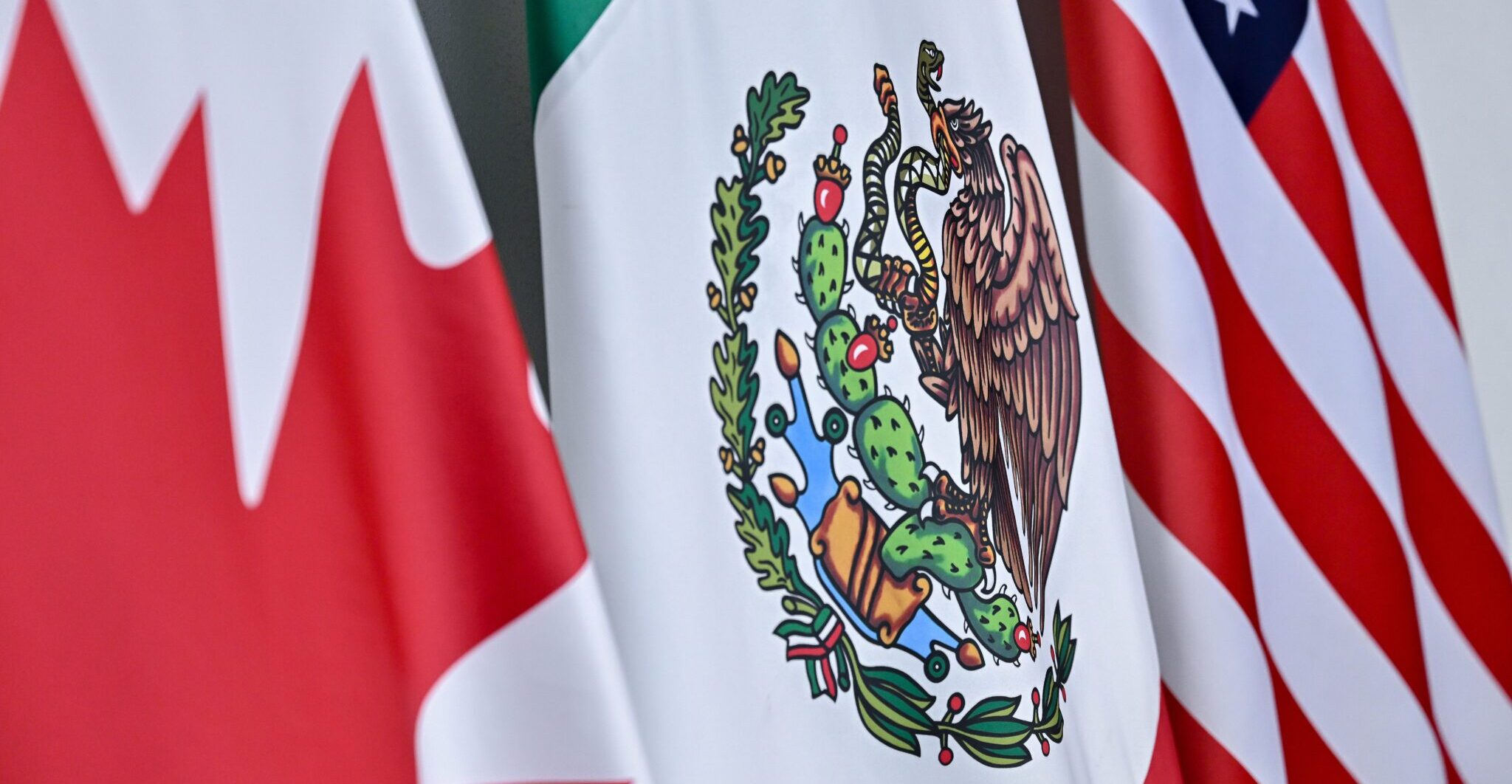
The Trump administration has declined to renew the United States-Mexico-Canada Agreement (USMCA) for another 16-year term, instead opting to keep the trade deal subject to annual reviews. This decision introduces significant uncertainty into North American automotive supply chains that depend on predictable trade conditions across borders.
The USMCA, which replaced NAFTA in 2020, was designed to provide long-term stability for manufacturers operating across the three nations. The agreement includes rules of origin requiring 75 percent North American content for vehicles to avoid tariffs, a provision that shaped how Ford, General Motors, Stellantis, and others structure their production networks. Annual review clauses create operational risk for companies that plan capital investments, tooling, and factory locations years in advance.
Washington's pivot toward yearly assessments reflects the current administration's preference for renegotiation leverage rather than locked-in commitments. The move unsettles an industry that already faces pressure from Chinese EV makers, rising labor costs in Mexico, and the transition to electrification. Automakers have invested billions in Mexican plants specifically because USMCA offered tariff-free access to U.S. markets. Annual uncertainty could prompt manufacturers to reconsider Mexico-based production or accelerate nearshoring to the United States.
Mexico and Canada have not yet confirmed whether they will accept annual reviews or push for renewal. Either way, the automotive sector loses the certainty it counted on. Supply chain planners now face questions about whether tariffs could return on components or finished vehicles if negotiations falter. Tier-one suppliers operating across borders face similar exposure.
This reflects broader trade policy volatility under the current administration. The auto industry thrived under NAFTA and USMCA because rules were known. Annual reviews transform a trade agreement into a negotiation theater, where political leverage trumps business stability. Manufacturers will likely lobby