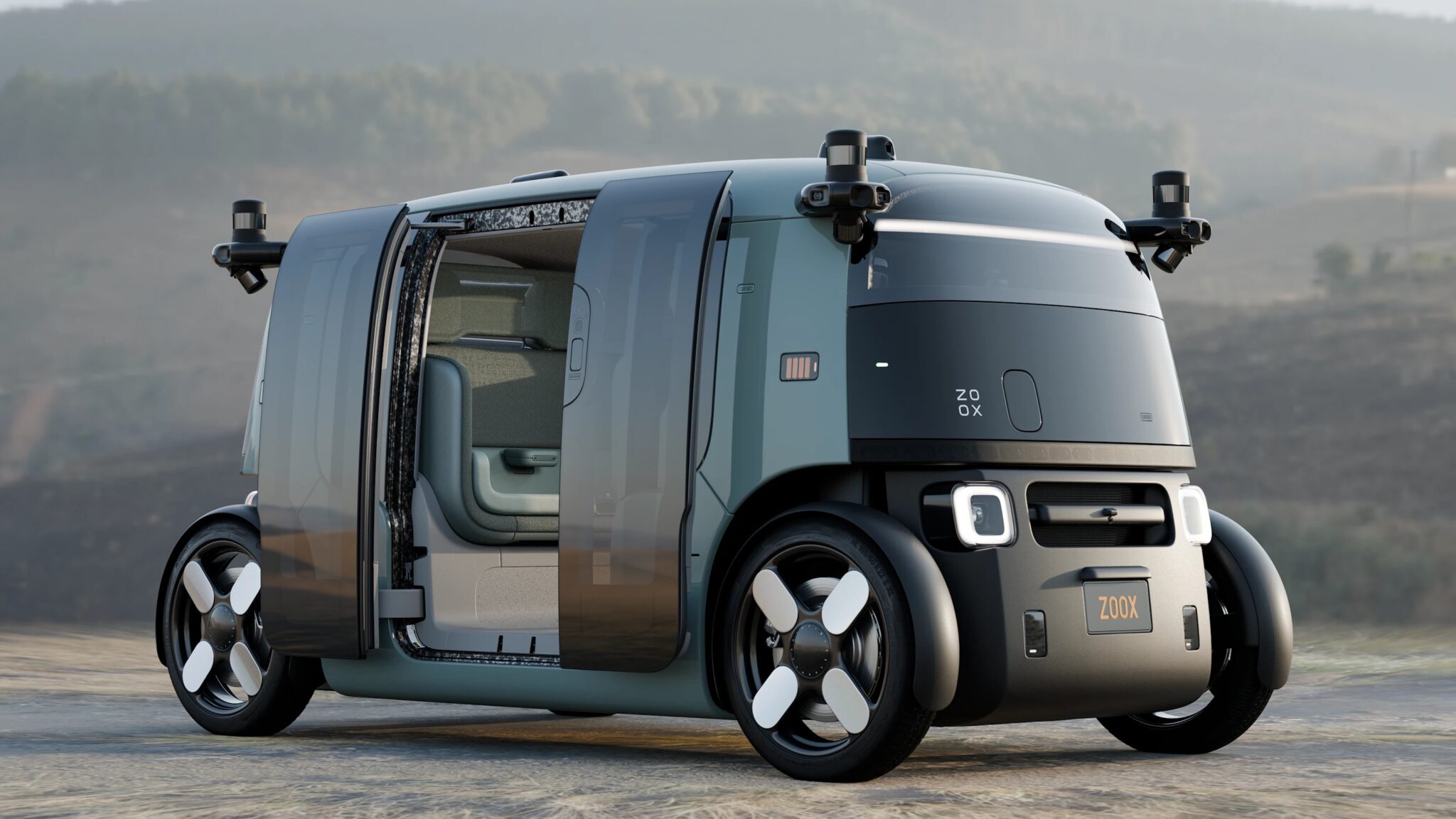
Amazon-owned Zoox has unveiled an updated robotaxi as it ramps production toward 100 units per week, marking a critical inflection point for autonomous ride-hailing viability at city scale. The company's push from pilot programs into meaningful production capacity tests whether self-driving technology can transition from controlled demonstrations into practical urban transportation infrastructure.
Zoox's refresh comes as the autonomous vehicle sector faces mounting pressure to prove commercial viability. While competitors like Waymo operate limited robotaxi services in select cities and Cruise navigates regulatory challenges following safety incidents, Zoox positions its production ramp as evidence that Level 4 autonomy can scale beyond niche applications. The company has operated pilot services in Las Vegas and San Francisco, but hitting 100 robotaxis weekly signals intent to expand geographic and operational scope.
The updated vehicle reflects lessons from early deployments. Design refinements likely address reliability, passenger comfort, and operational efficiency gathered during real-world testing. Zoox's approach differs from rivals using adapted human-driven vehicles. Its purpose-built robotaxi features bidirectional seating, no steering wheel, and symmetrical design optimized for autonomous operation rather than retrofitted autonomy into conventional platforms.
Production scaling presents logistical and regulatory hurdles. Manufacturing 100 units weekly requires supply chain stability, quality control systems, and capital deployment at scale Amazon hasn't attempted in this space. Geographic expansion demands regulatory approval in each new market, a slower process than physical production.
The timing matters. EV adoption accelerates while ride-sharing economics remain challenged. Autonomous vehicles promise lower operating costs through elimination of driver wages, potentially improving unit economics that plague traditional rideshare operators. However, insurance, maintenance, and infrastructure costs remain uncertain at scale.
Zoox's trajectory shapes industry expectations. Success validates Amazon's $1.2 billion acquisition and demonstrates autonomous ride-hailing viability