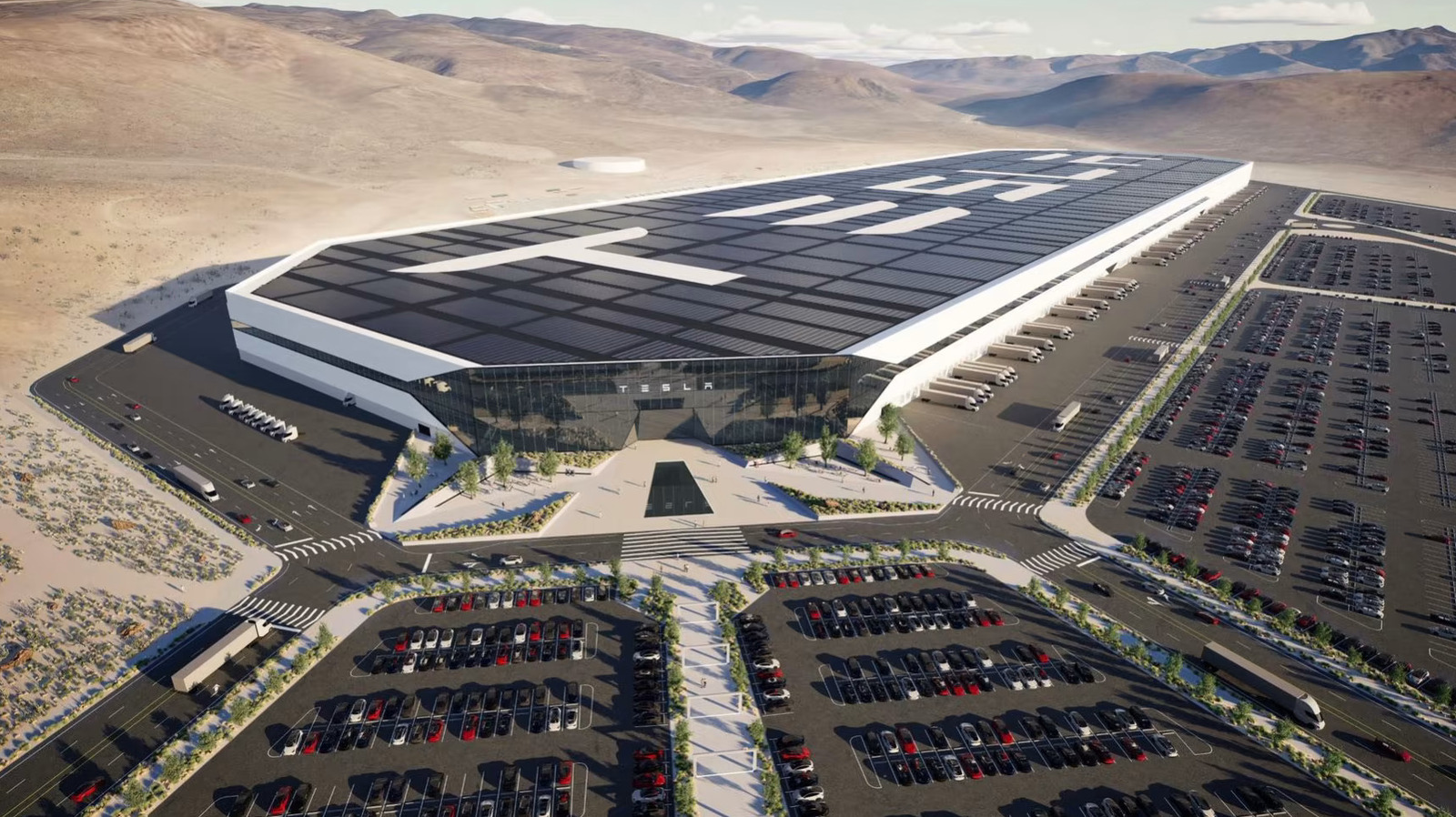
Thieves are targeting Tesla's factory loading docks with increasing frequency, exploiting what appears to be vulnerable security infrastructure. A single recent heist netted $475,000 worth of Powerwall 3 battery units in one operation, highlighting the scale of organized cargo theft at the facility.
The thefts represent a broader trend of rising cargo crime targeting automotive and battery manufacturers. Powerwall 3 units, Tesla's latest-generation home energy storage systems, retail for around $15,000 each, meaning the single theft involved roughly 30 units. The organized nature of the heist and the specific targeting of Tesla's dock areas suggest coordinated criminal operations rather than opportunistic theft.
Security vulnerabilities at factory loading zones create easy entry points for thieves. Tesla's Fremont plant and other manufacturing facilities typically move high-value battery packs and energy storage products through their docks daily. Without adequate surveillance, controlled access, or coordination between security and logistics teams, these areas become prime targets for well-organized theft rings.
The Powerwall 3 theft matters because battery units represent one of the industry's most valuable commodities right now. As energy storage demand surges and automakers scale production, these components attract sophisticated criminal networks capable of moving stolen goods through secondary markets quickly. Unlike vehicle theft, which requires some effort to resell, loose battery units and power systems can move through distribution channels with less scrutiny.
Tesla has not publicly addressed specific dock security enhancements in response to the thefts. The company's manufacturing operations prioritize production output and efficiency, but cargo security at loading facilities clearly requires reinforcement. Industry peers including traditional automakers and battery suppliers face similar vulnerabilities.
Law enforcement agencies tracking organized cargo theft rings report upticks in targeting battery and electric vehicle component facilities nationwide. The combination of high unit value, relatively portable packaging, and strong secondary market demand for energy storage systems makes