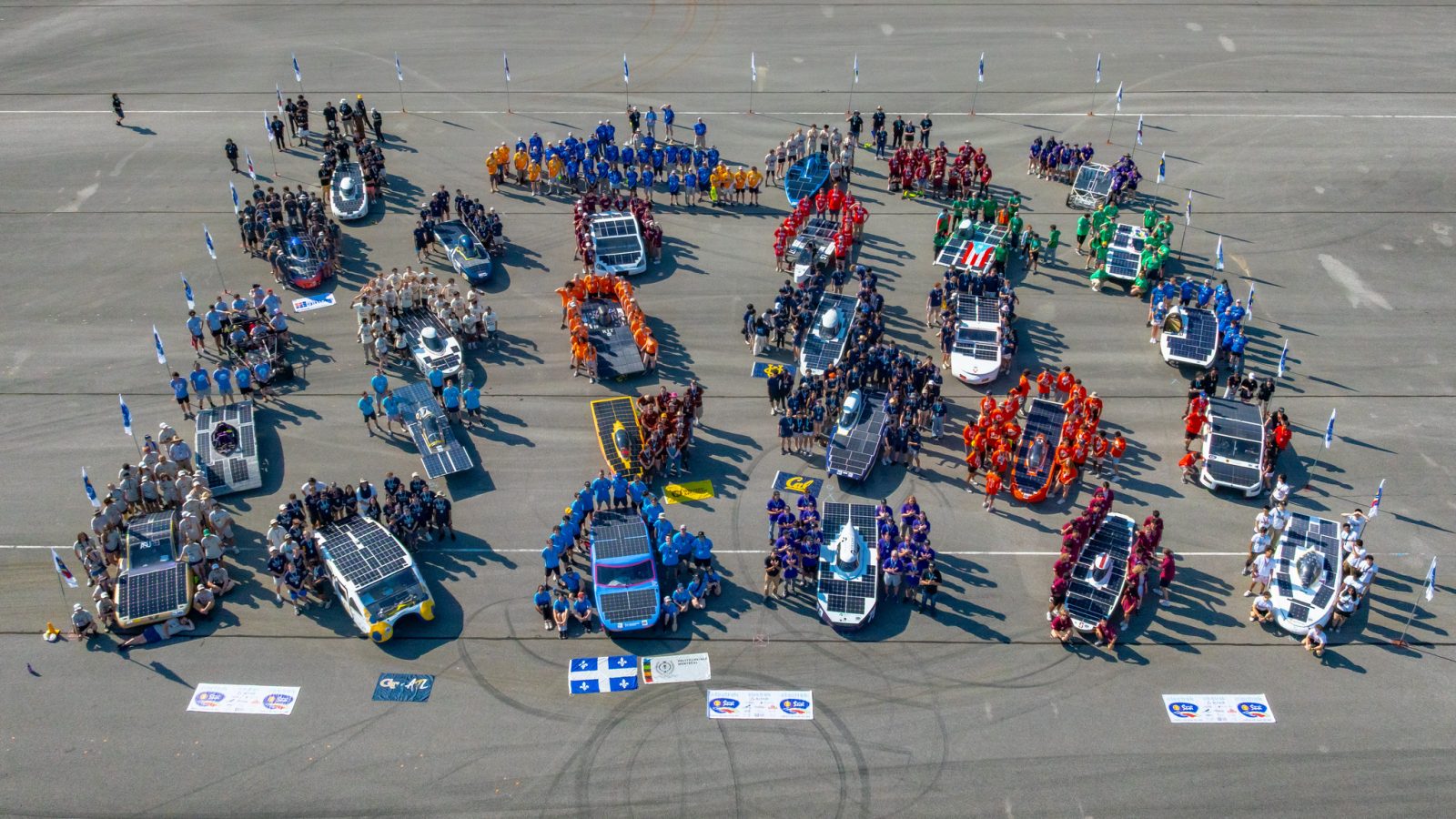
The American Solar Challenge 2026 is drawing a record 42 teams from universities across the US, Canada, Belgium, and the Netherlands as schools finalize preparations for the competition. The event represents one of the most ambitious collegiate engineering challenges in North America, tasking student teams with designing and building solar-powered vehicles capable of crossing vast distances on renewable energy alone.
This year's entry roster marks a significant expansion from previous competitions, reflecting growing institutional interest in solar vehicle technology and clean energy innovation. The international participation underscores how solar racing has evolved from a niche academic pursuit into a globally recognized platform for advancing battery efficiency, aerodynamics, and lightweight materials engineering.
Solar car races push the boundaries of what student engineers can achieve with constraint-based design. Teams must balance speed, energy efficiency, structural integrity, and cost within strict rules. The vehicles typically resemble low-slung pods rather than conventional cars, featuring lightweight composite bodies, high-efficiency solar panels, and specialized battery systems. Top competitors regularly achieve speeds exceeding 60 mph while running entirely on solar input.
For manufacturers and suppliers, these competitions serve as development labs. Technologies refined in solar racing, including advanced battery management systems, lightweight materials, and solar cell optimization, eventually filter into mainstream EV production. Major automotive suppliers and EV makers often support student teams, viewing the competitions as talent pipelines and R&D proving grounds.
The American Solar Challenge format typically spans multiple days and covers thousands of miles, testing both vehicle performance and team logistics. Drivers must manage energy budgets carefully, calculating how much solar input they can generate against speed demands. Strategy becomes as important as engineering. Weather conditions, road surfaces, and elevation changes all impact real-time performance calculations.
The record participation signals momentum in collegiate engineering programs focused on electrification and renewable energy. Universities recognize that hands-on experience building competitive solar vehicles produces graduates who understand EV dynamics at a fundamental level