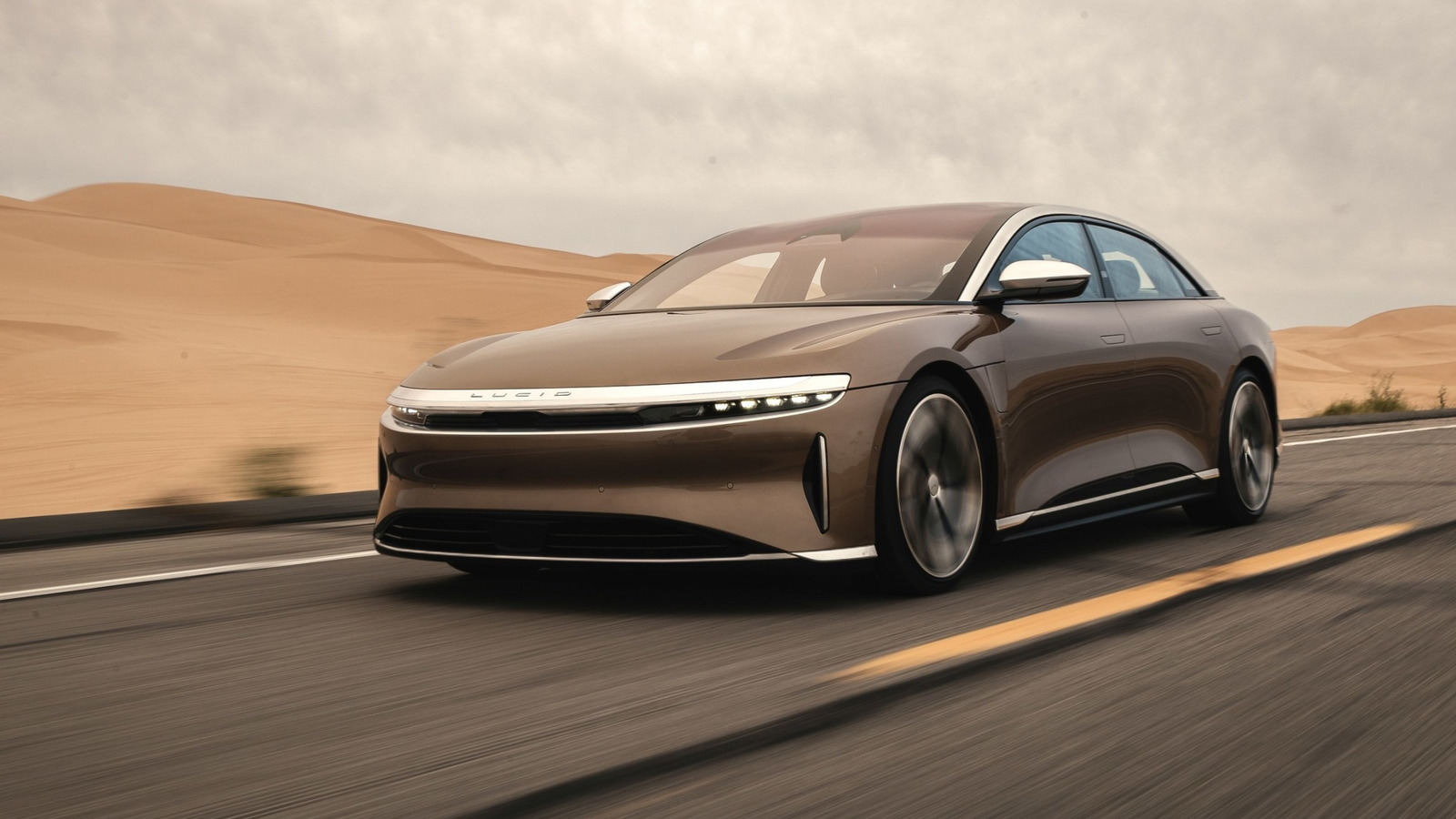
Lucid Air owners face brutal depreciation curves typical of the EV market, with 2022 models losing significant value over four years compared to competing electric sedans from Tesla, Audi, and Mercedes-Benz.
The luxury EV segment has become a depreciation battleground. Early adoption premiums vanish quickly once production ramps and competition intensifies. Lucid's Air, launched in 2021 as a direct Tesla Model S rival, hit the used market at a disadvantage. The company's production struggles and subsequent price cuts by Tesla created a perfect storm for resale values.
The 2022 Air launched with starting prices near $70,000 for entry models, climbing to over $140,000 for the Range version. Today, comparable used examples fetch significantly less, reflecting the company's aggressive pricing strategy and growing inventory of new units. Tesla's Model S maintains stronger residual values, benefiting from established demand, supercharger network dominance, and years of brand trust.
Mercedes' EQE and Audi's e-tron GT hold value better than the Lucid thanks to traditional automaker networks and service infrastructure. Buyers perceive these brands as lower-risk used purchases. Lucid's unproven long-term reliability history and limited service network amplify depreciation concerns.
The broader EV depreciation problem stems from rapid technology advancement and falling battery costs. New cars undercut used inventory on price, killing demand for older models. Federal tax credits for new vehicles further depress the used market by reducing purchase incentives for pre-owned units.
Early EV adopters have learned painful lessons. The sweet spot for used EV shopping exists in the three-to-five-year window where technology stabilizes but depreciation hasn't bottomed out completely. Lucid Air shoppers considering used models should negotiate aggressively. For buyers