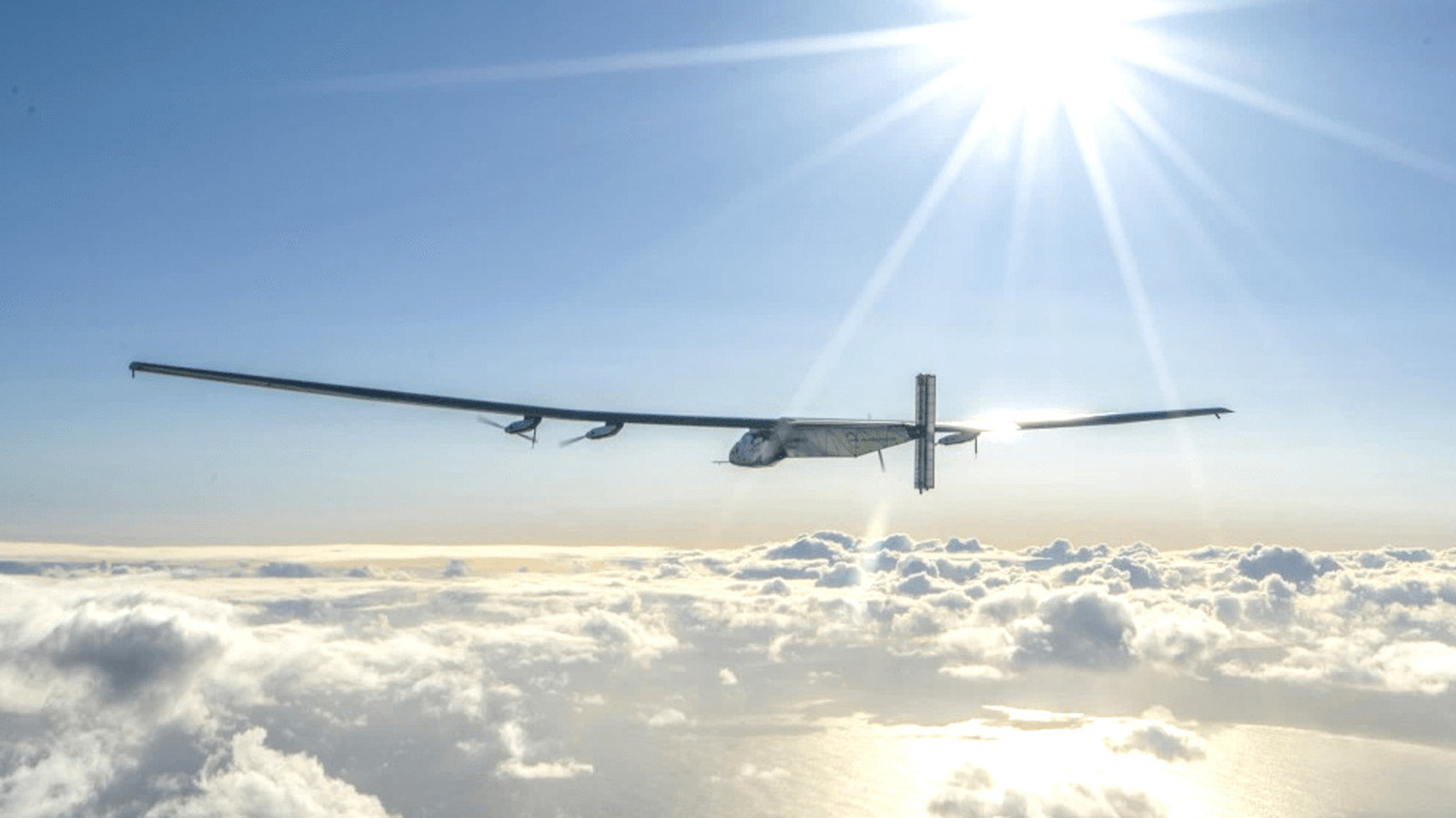
Airbus Helicopters' experimental Skydweller drone completed a record-breaking 192-hour flight before a storm forced it down in the Gulf of Mexico. The solar-powered aircraft stayed aloft for over eight days, a stunning endurance feat that pushes the boundaries of what unmanned, long-duration flight can achieve.
The Skydweller represents Airbus's bet on ultra-long-endurance drones for surveillance, communications relay, and scientific missions. These aircraft operate at high altitudes where wind conditions are more stable, generating power from integrated solar panels while carrying minimal payload. The platform trades speed and maneuverability for staying power, making it suited to persistent reconnaissance and environmental monitoring rather than combat or rapid response.
Eight days in the air without landing is genuinely impressive engineering. The aircraft managed to handle weather systems, thermal variations, and equipment fatigue across multiple day-night cycles. Battery technology, weight distribution, and aerodynamic efficiency all had to function flawlessly. Most commercial drones measure flight time in hours, not days.
The Gulf of Mexico storm that ended the flight highlights a real limitation of solar-electric propulsion. When weather prevents the sun from charging the batteries, the aircraft loses its energy advantage. Traditional fuel still delivers higher power density in severe conditions. Airbus will likely study the environmental data from this flight to refine future designs and predict when atmospheric conditions exceed safe operating margins.
This isn't failure. Military and commercial operators already pursue long-endurance platforms like the RQ-4 Global Hawk for intelligence gathering and disaster assessment. Airbus's push for solar-powered variants reduces operating costs and environmental footprint compared to jet-fuel alternatives. Each extended flight test generates crucial data on structural durability, power management systems, and weather response.
The Skydweller's eight-day run proves the concept works. Refinements to