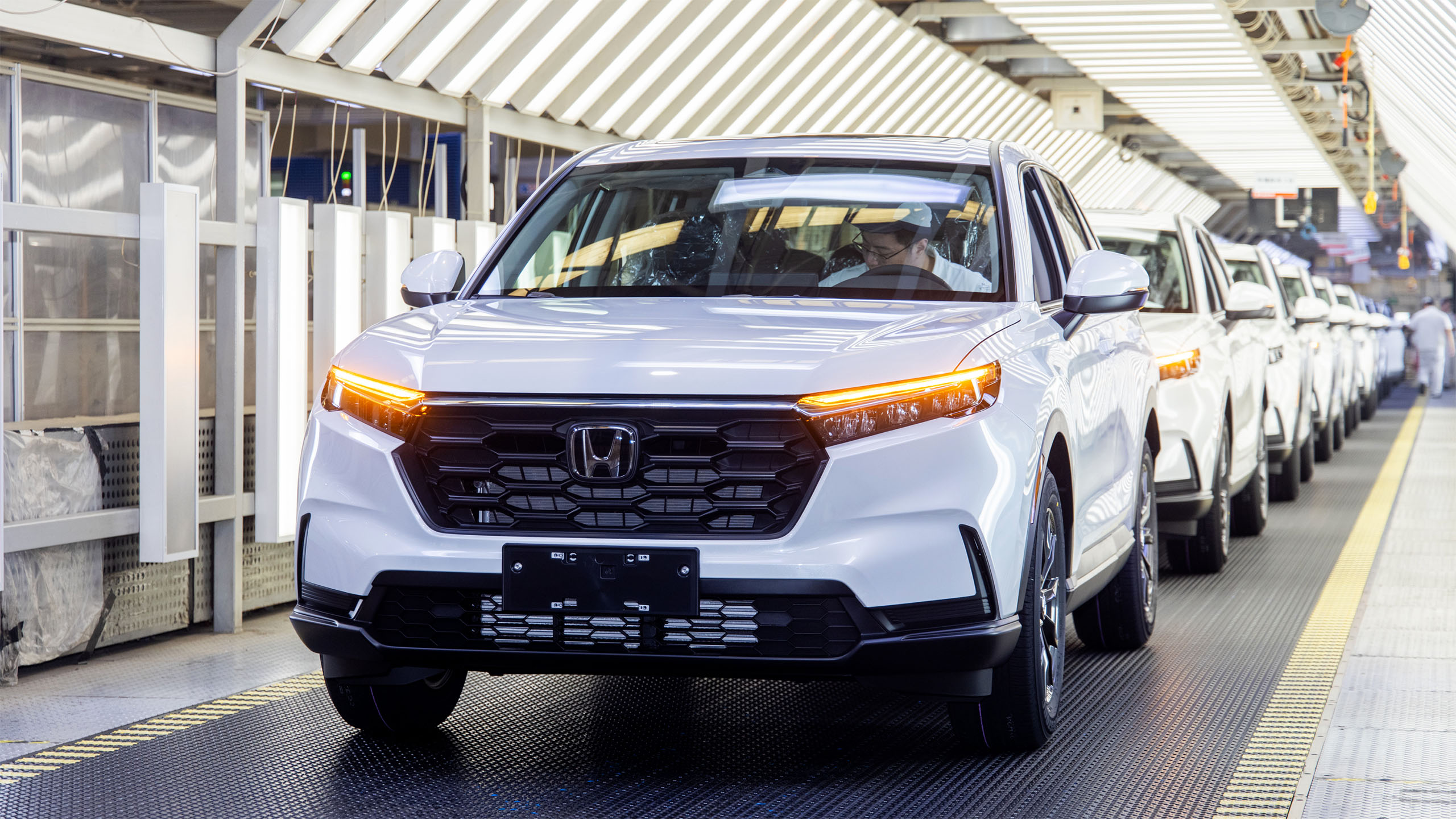
Honda's CR-V has claimed the title of America's best-selling vehicle through 2026, dethroning long-time leaders Ford and Toyota. The compact crossover's dominance reflects a fundamental shift in the U.S. market toward utility vehicles over sedans and trucks.
Ford and Toyota held the best-seller crown for years. Ford's F-Series pickup trucks and Toyota's Camry sedan once defined American vehicle preferences. Both manufacturers face headwinds. Ford's truck sales have softened amid economic uncertainty and rising interest rates. Toyota, despite its reliability reputation, struggles with inventory constraints and aging model lineups in certain segments.
The CR-V's ascent matters. Honda entered the compact crossover segment when consumer demand pivoted decisively away from sedans toward SUVs and crossovers. The CR-V offers practicality, fuel efficiency, and affordability. It starts around $34,000 for the base model and delivers legitimate real-world mileage in the mid-30s for gas-only versions. Honda's hybrid variants push into the high 30s, attracting efficiency-conscious buyers without the steep premiums attached to full electric SUVs.
This shift exposes competitive vulnerabilities. Toyota's RAV4, traditionally the CR-V's main rival, hasn't maintained parity despite remaining popular. Supply chain issues and production constraints have hampered Toyota's ability to meet demand. Ford's Explorer and Edge compete in adjacent segments but lack the CR-V's nimbleness in pricing and market positioning.
The broader industry trend runs clear. Consumer priorities have shifted. Sedans occupy showroom afterthoughts. Full-size trucks face affordability pressure. Compact and midsize crossovers command buyer attention and wallet share. Honda capitalized on this transition earlier than competitors and executed better on product freshness and pricing strategy.
Honda's manufacturing efficiency also matters.