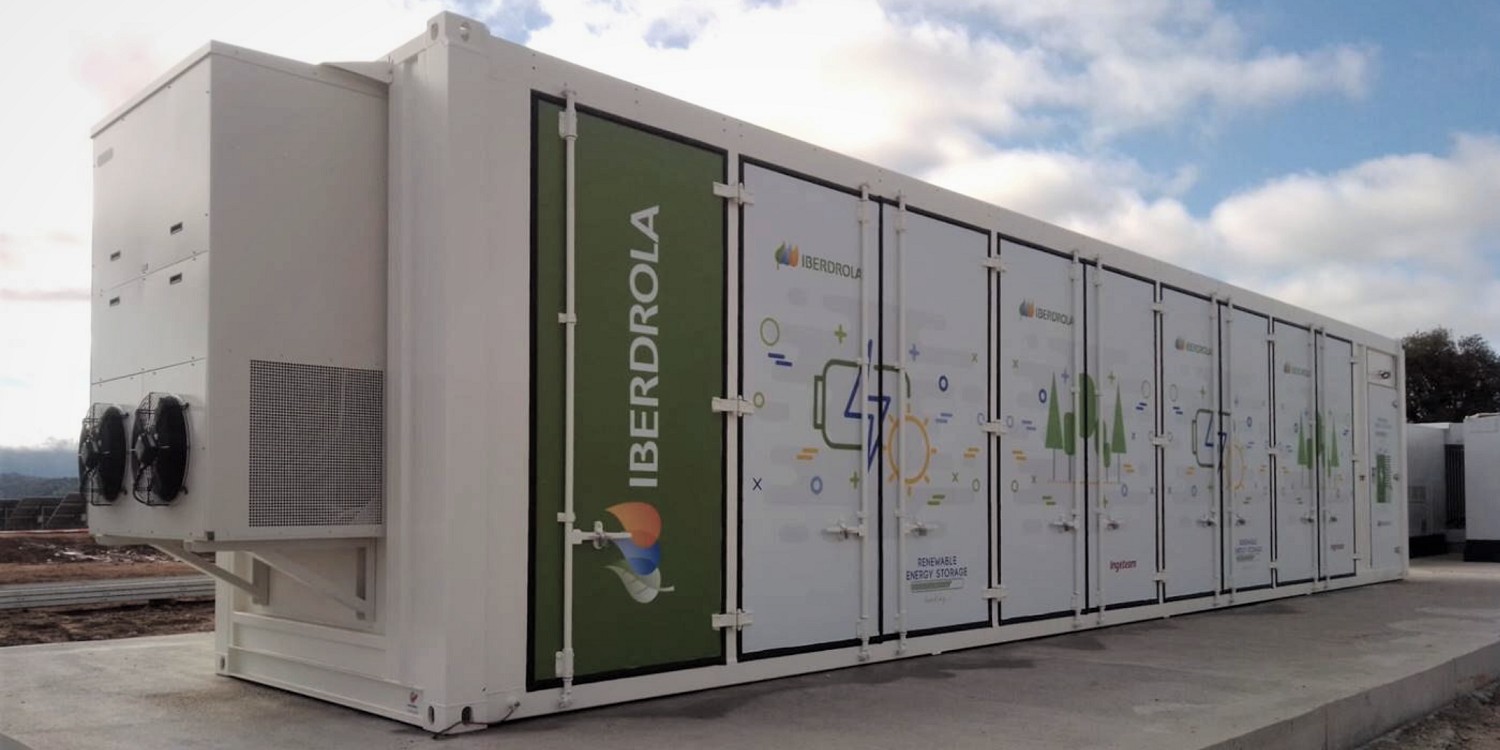
Spanish utility Iberdrola has launched its first large-scale battery storage project in the United States, marking the company's entry into a booming grid storage market that utilities are aggressively expanding to stabilize power networks.
The move reflects a broader industry shift. As renewable energy sources like wind and solar proliferate across North America, grid operators face growing pressure to balance intermittent supply with demand. Battery storage systems smooth these fluctuations, allowing utilities to discharge stored power during peak hours and charge during periods of low demand.
Iberdrola, one of Europe's largest renewable energy producers, operates extensive wind and solar portfolios. Its investment in US battery storage signals confidence in North American energy markets and diversifies the company's portfolio beyond generation assets. The project positions Iberdrola alongside competitors like NextEra Energy, Duke Energy, and Dominion Energy, all expanding storage capabilities to meet grid resilience requirements and prepare for the transition away from coal and gas generation.
The timing matters. Federal Investment Tax Credits under the Inflation Reduction Act provide substantial financial incentives for battery projects, lowering capital barriers for major utility investments. Grid operators across Texas, California, and other regions actively seek storage solutions to prevent blackouts during extreme weather events and periods of high electricity demand.
Iberdrola's project signals that European renewable giants see significant opportunity in the American grid modernization narrative. The company has invested heavily in US renewables over the past decade. Adding storage infrastructure deepens its operational footprint and creates additional revenue streams through capacity payments and energy arbitrage.
Battery storage remains capital intensive but increasingly cost-competitive. Lithium-ion prices have dropped dramatically, making projects viable that were marginal five years ago. Utilities now view storage not as supplementary but essential to grid planning.
Iberdrola's entry amplifies competitive pressure on North American utilities to accelerate their own storage buildouts. As more operators recognize