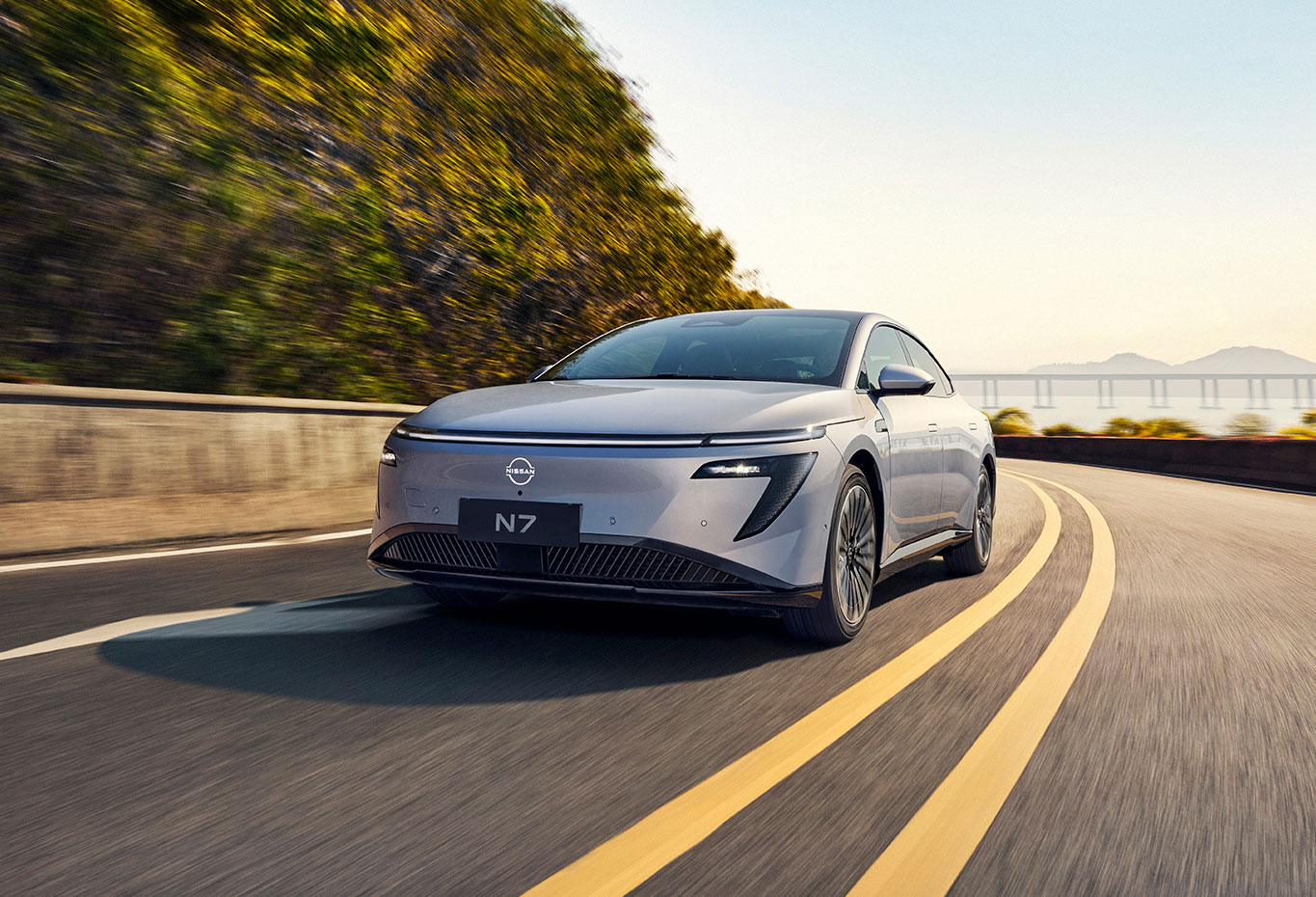
Nissan faces a pivotal transformation through 2030 as it navigates shifting market demands and electrification pressures. Production forecasts show the Japanese automaker operating in a constrained environment, with output expected to remain below pre-pandemic levels across the decade.
The company projects modest growth from current baselines, but faces headwinds from slowing global demand, supply chain volatility, and the capital-intensive transition to electric vehicles. Nissan's Z-car revival and updated Altima lineup offer niche appeal, yet these models cannot offset broader volume declines in traditional sedans where the manufacturer historically held strength.
Battery electric vehicle adoption remains central to Nissan's strategy. The Leaf has anchored the company's EV credentials for over a decade, though rivals like Tesla Model 3 and Volkswagen ID.4 have captured significant market share. Nissan's upcoming Ariya electric crossover enters a crowded field where pricing and range matter enormously. Production ramps for battery-electric models will likely displace internal combustion output rather than expand total manufacturing capacity.
Geographic performance varies. North America remains crucial for Nissan's financial health, yet truck-focused competitors Ford F-150 Lightning and Chevrolet Silverado EV present mounting pressure in the profitable pickup segment. Japan's domestic market shrinks as demographics shift. European operations continue rightsizing after years of contraction.
By 2030, Nissan's forecast reflects realism about competitive position. The company will not reclaim production volumes from its 2010-2015 peak. Instead, success requires disciplined execution on profitability per unit rather than absolute output. This means focusing manufacturing on higher-margin models, particularly crossovers and electric variants, while shedding less profitable segments.
Supply chain reliability for semiconductor components and battery cells will determine whether Nissan hits targets