Family sedans and crossovers rack up the highest annual mileage across American roads, with owners logging 20,000 miles or more per year on average. These vehicles dominate real-world usage patterns, reflecting their role as primary family transportation for daily commutes, school runs, and longer road trips.
Sedans like the Toyota Camry and Honda Accord consistently top the charts for mileage, benefiting from their reliability, fuel efficiency, and affordable operating costs. Midsize crossovers including the Toyota RAV4 and Honda CR-V follow close behind. These vehicles appeal to families seeking practicality and dependability. Their owners trust them for extended highway drives without hesitation.
The pattern reveals what matters to real buyers. Owners don't prioritize premium brands or performance specs when choosing daily drivers. They value durability, resale value, and low maintenance costs. A Camry owner with 25,000 annual miles generates far different repair and fuel expenses than a sports car collector who drives sparingly.
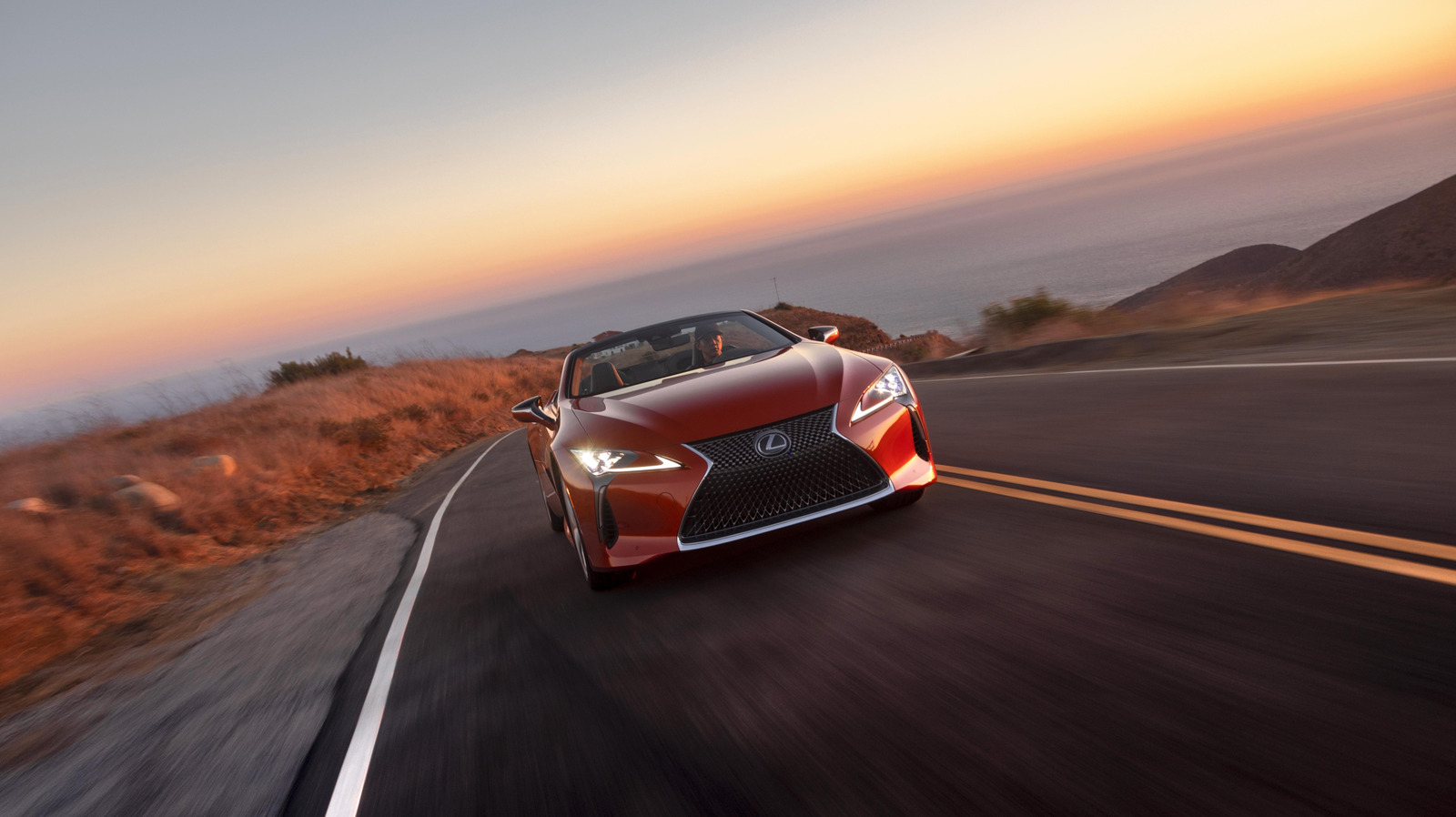
On the opposite end, specialty vehicles see minimal annual usage. High-end sports cars, vintage collector vehicles, and weekend-only cars log under 5,000 miles yearly. Porsche 911s, Ferrari models, and exotic imports spend most of their time in garages. Owners treat them as investments or weekend indulgences rather than transportation.
Luxury sedans occupy middle ground. Owners of BMW 7-Series and Mercedes-Benz S-Class vehicles drive moderate annual mileage, typically between 10,000 and 15,000 miles per year. These cars serve as primary vehicles for affluent owners but lack the universal reliability reputation of Japanese family cars.
The data underscores an industry reality. Mass-market manufacturers thrive because their vehicles actually move people. Manufacturers designing vehicles for real-world duty cycles win