Eurobike 2026 delivered a curated showcase of e-bike innovations and cycling accessories despite a smaller overall footprint than previous years. The annual German tradeshow remained a reliable proving ground for new commuter and cargo bike designs, component upgrades, and rider-focused technologies.
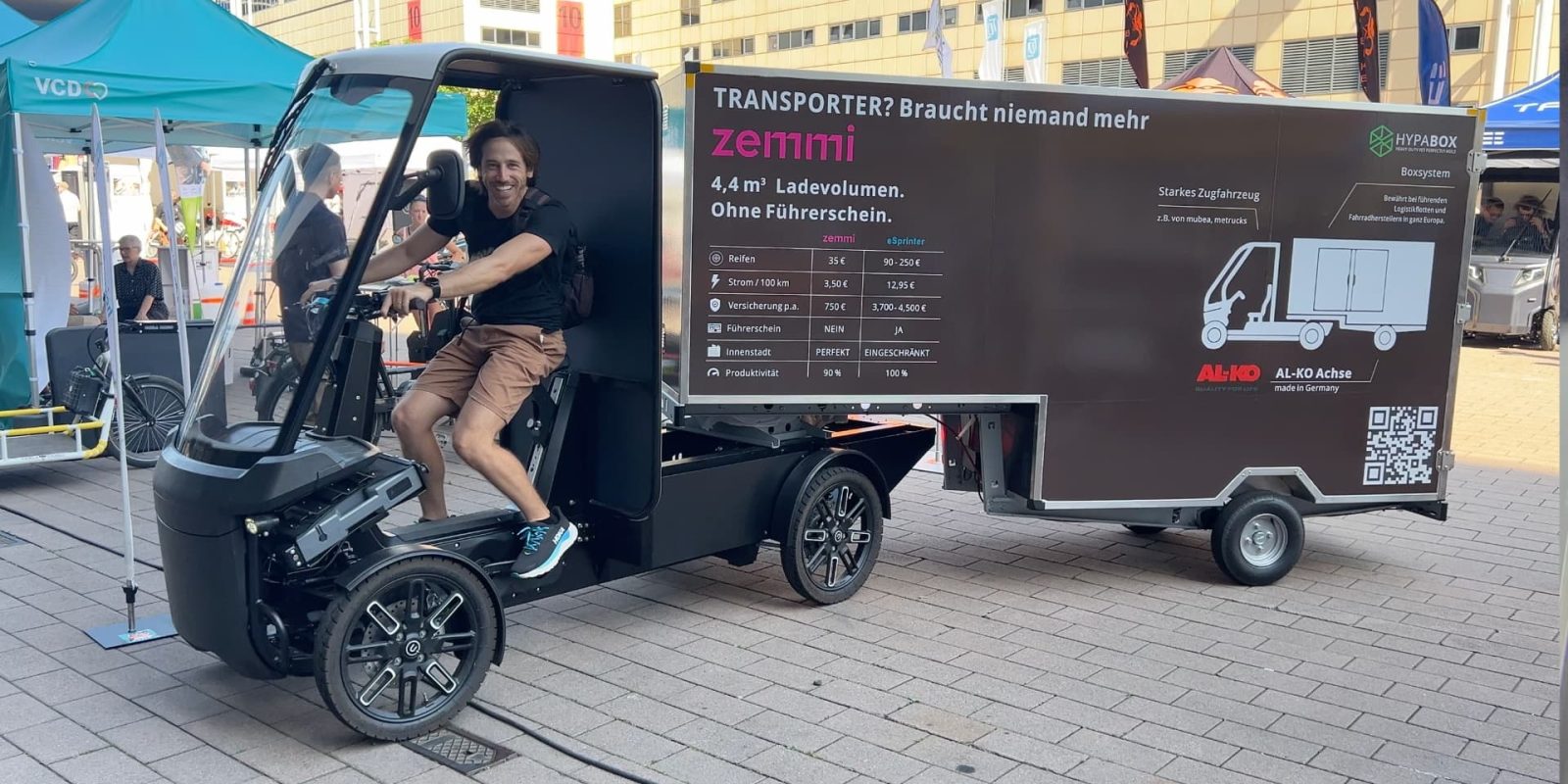
The event highlighted cargo bikes as a growing category, with manufacturers pushing utilitarian design further into mainstream adoption. Zemmi's cargo bike concept, featured prominently, demonstrates how the segment continues to evolve beyond niche appeal. These vehicles address urban transportation demands where traditional cars prove impractical. Rising adoption of cargo e-bikes reflects a genuine shift in how city dwellers approach last-mile logistics and family transport.
E-bike makers showcased battery improvements, motor efficiency gains, and integration of connectivity features. The trend underscores the industry's focus on practical range extension and seamless integration with daily routines rather than pure performance chasing. Weight reduction and refined drivetrain components appeared across multiple booths, addressing rider fatigue and maintenance intervals.
The show's smaller scale reflects broader consolidation in cycling manufacturing but didn't diminish the quality of new releases. Established brands and emerging players alike demonstrated how electrification continues penetrating every bike category, from urban commuters to off-road machines. Accessory makers showed charging solutions, security systems, and rider-assist technologies that amplify e-bike utility.
Eurobike remains Europe's primary venue for cycling innovation despite competition from other regional shows. The tradeshow's importance lies not in volume but in direction setting. What manufacturers unveil here shapes product roadmaps for the following year. Cargo bikes, connectivity, and efficiency gains signal where the industry believes rider demand concentrates.
The event reinforced that e-bikes no longer occupy a niche segment. They function as transportation solutions addressing congestion, emissions, and cost concerns in dense urban environments.