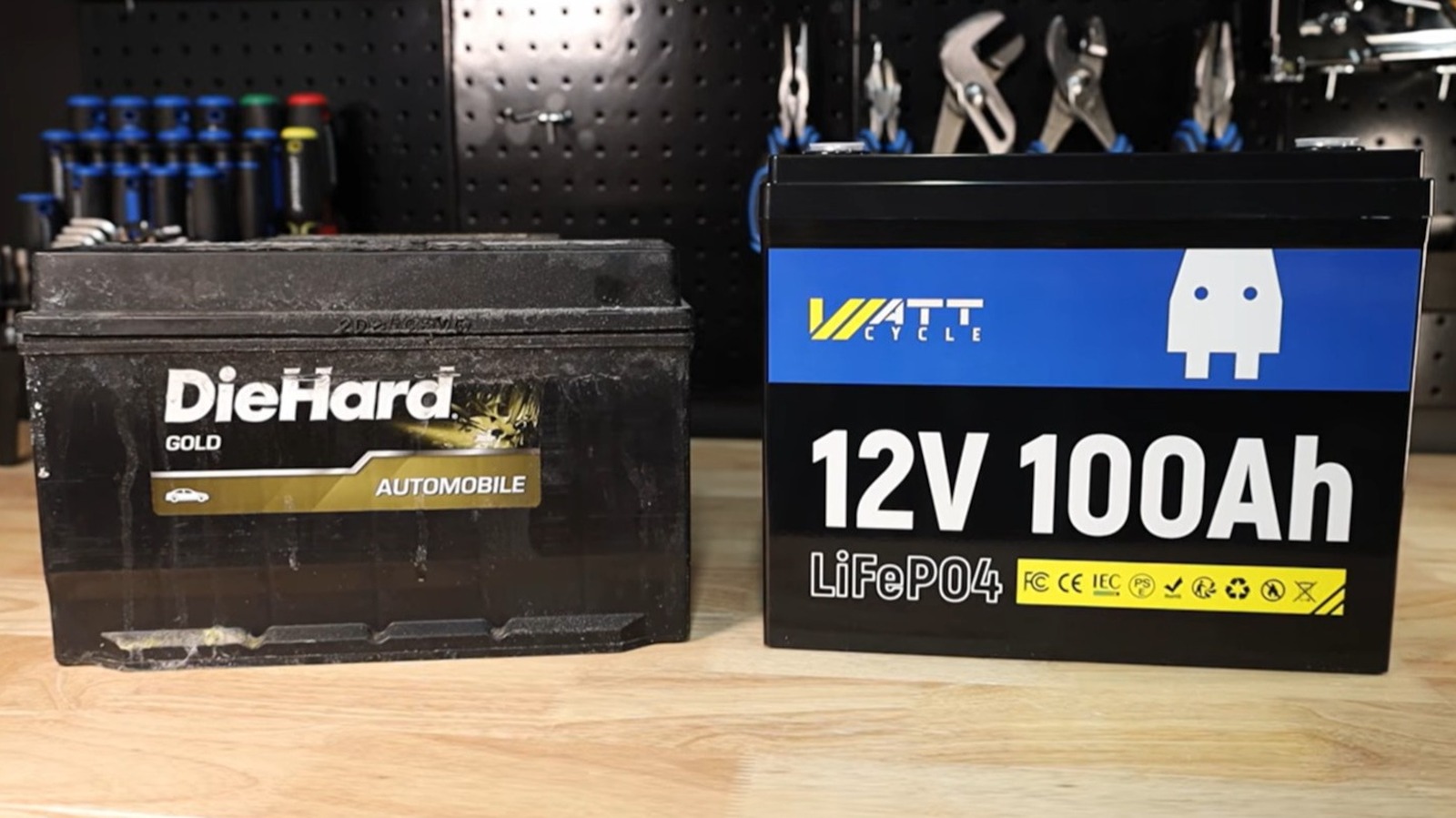
Lithium starter batteries represent a genuine alternative to traditional lead-acid units, though the trade-offs matter depending on your vehicle and driving habits.
Lead-acid batteries remain the industry standard because they work reliably across extreme temperatures, deliver high cranking amps instantly, and cost $100 to $200. Lithium alternatives weigh 70 percent less, charge faster, and last longer, typically surviving 5,000 to 10,000 charge cycles versus 500 to 1,000 cycles for lead-acid. That longevity advantage shrinks for occasional drivers but matters for high-mileage owners.
The catch: lithium batteries cost $500 to $1,500 installed. They also demand a battery management system to prevent overcharging and thermal runaway, which complicates installation on older vehicles lacking compatible charging systems. Cold weather performance remains a weakness. While lithium doesn't lose capacity in freezing temperatures the way lead-acid does, most lithium units simply won't function below 32 degrees Fahrenheit without a heater module. That heater adds another $200 to $400.
Lithium wins for high-performance builds, drag racers, and off-road rigs where weight reduction matters and vehicles run custom electrical systems. Performance car owners value the weight savings at the nose for better handling balance. Reliability-focused daily drivers in cold climates should stick with lead-acid unless they garage the car or pay for heated lithium units.
The real question centers on total ownership cost versus actual vehicle use. Weekend warriors with heated shops? Lithium makes sense. Daily commuters in Minnesota who park outside? Lead-acid remains the rational choice. Aftermarket lithium battery companies like Antigravity, Optima, and Braille all market variants, but none replace OEM lead-acid units as standard equipment,