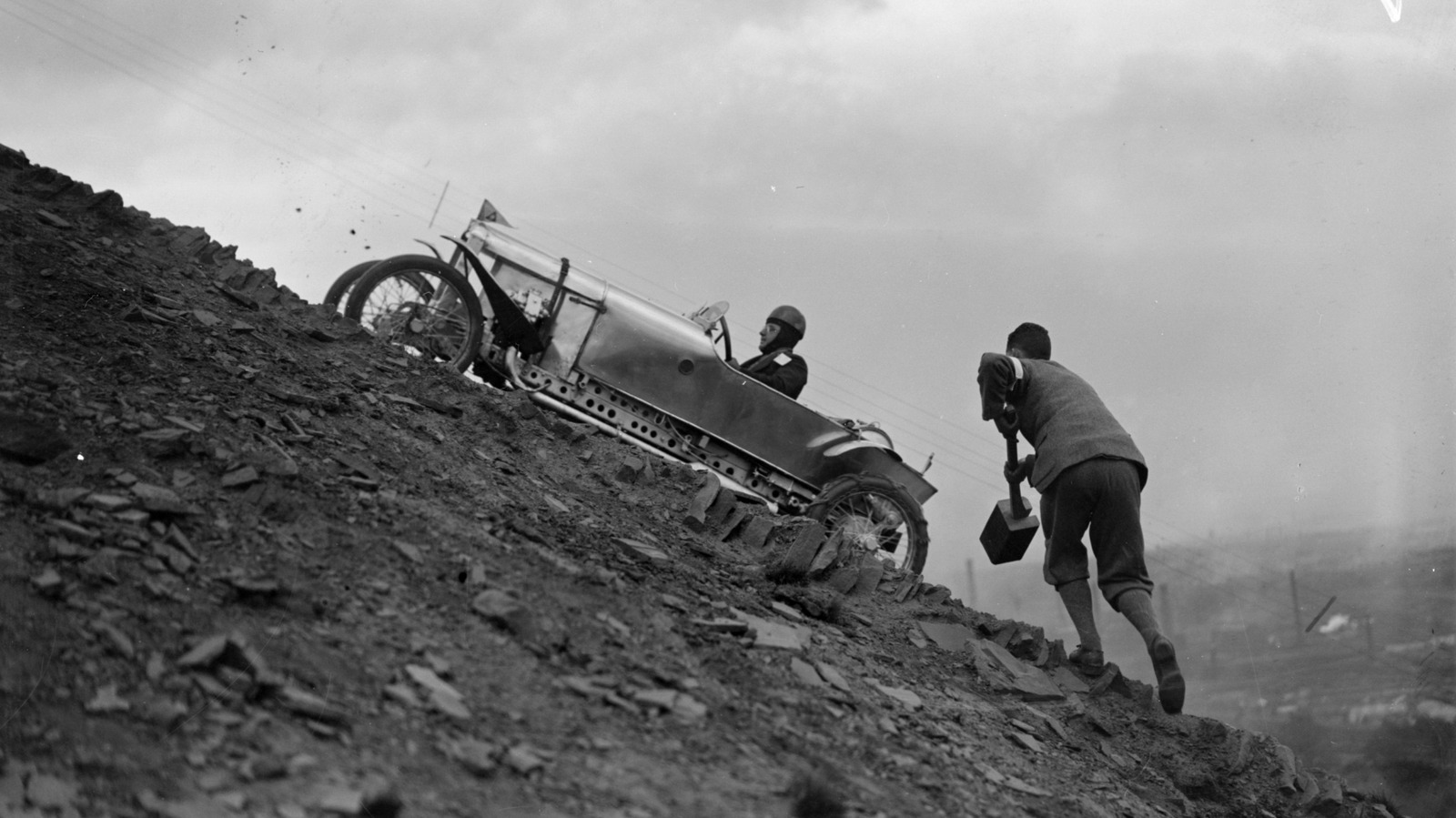
# Readers Push Their Cars to the Limit on Challenging Roads
Jalopnik readers have shared stories of taking their vehicles to extreme limits on demanding roads, revealing how quickly driving conditions can shift from exhilarating to dangerous. The line separating thrilling performance driving from genuine risk proves razor-thin in real-world conditions.
Drivers consistently describe moments where spiral mountain passes, narrow coastal routes, or technical track-day scenarios pushed their cars and skills to the edge. These anecdotes highlight the difference between controlled enthusiasm and outright recklessness. A perfectly executed apex at speed transforms instantly into a near-miss when visibility drops or another vehicle appears unexpectedly.
The stories underscore why professional drivers spend years mastering vehicle dynamics under various conditions. Readers mention experiencing tire grip limits, brake fade, and suspension compression in ways everyday driving never demands. Several accounts involve performance vehicles like track-focused sports cars and modified enthusiast models, though even mundane daily drivers occasionally find themselves in situations requiring precise steering and throttle control.
What emerges from these reader accounts is respect for physics and mechanical limitations. Drivers who pushed hardest often describe specific moments where their margin for error evaporated. A late apex, a small debris field, or simply overestimating grip in cold conditions changed everything within seconds.
The automotive community clearly understands that real testing differs fundamentally from YouTube videos or internet discussions. Actual road conditions introduce variables no simulator captures. Weather changes. Traffic appears. Road surface transitions from grippy asphalt to loose gravel without warning.
These reader stories serve as informal documentation of how performance vehicles behave when driven genuinely hard, not merely spirited but legitimately testing the engineering. The experiences shared suggest most drivers respect their machines enough to back off before crossing into actual danger, though the proximity between the two remains uncomfortably close.