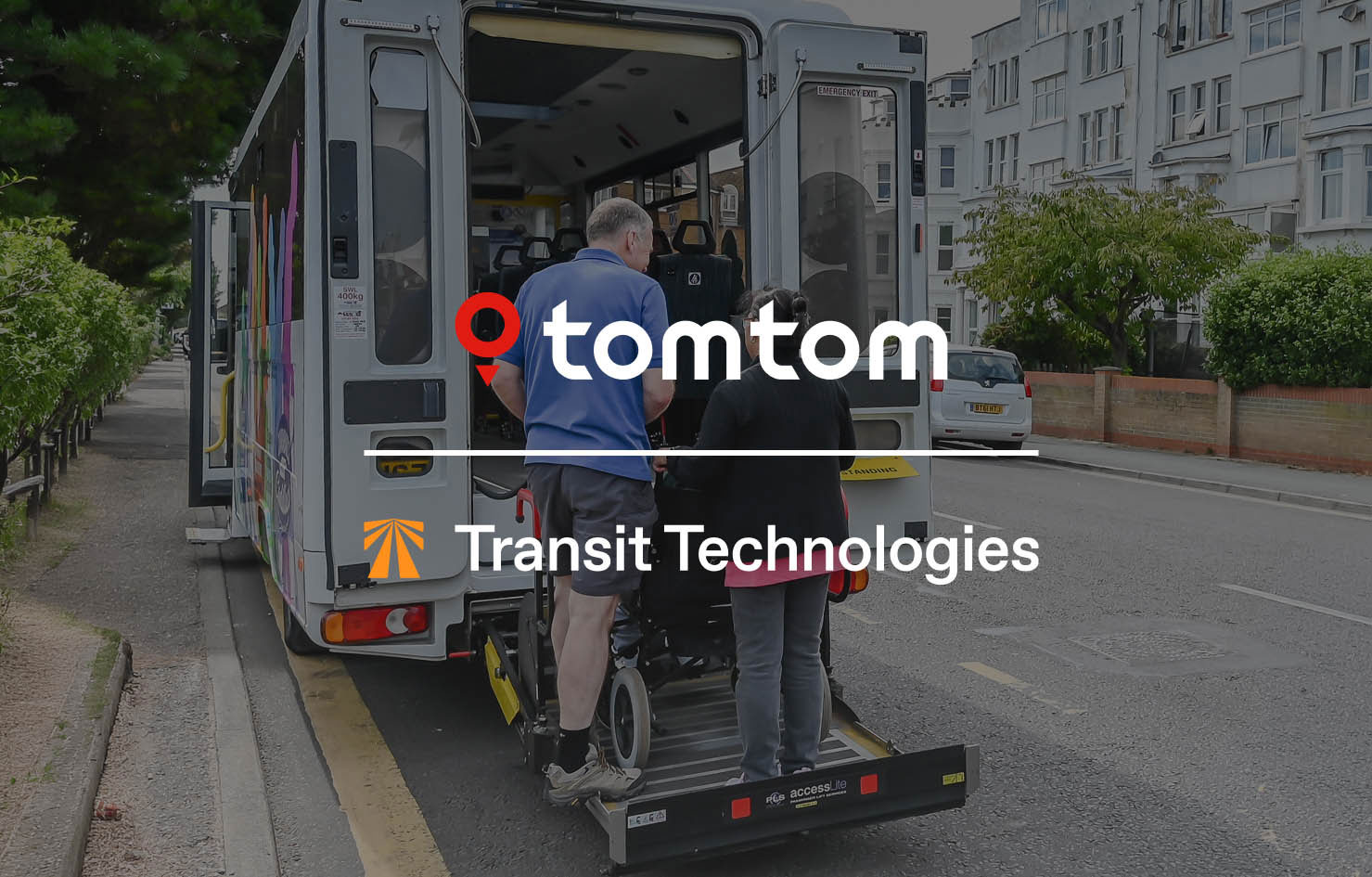
TomTom has partnered with Transit Technologies to expand its routing and navigation capabilities beyond personal vehicle navigation into public transit and non-emergency medical transport (NEMT) services. The collaboration signals the Dutch mapping company's strategic push into new revenue streams as traditional automotive navigation faces disruption from smartphone-based alternatives and integrated OEM systems.
TomTom built its fortune providing turn-by-turn navigation for consumer devices and vehicle infotainment systems. That market has contracted sharply as carmakers develop proprietary navigation and Apple Maps and Google Maps dominate consumer preferences. The company has spent years diversifying into enterprise software, autonomous vehicle data, and fleet management solutions.
The Transit Technologies partnership extends TomTom's routing algorithms into urban mobility operations. Transit Technologies specializes in routing optimization for public transportation agencies and NEMT operators, sectors that require precise, real-time traffic data and sophisticated algorithms for scheduling and dispatch. TomTom's detailed mapping database and traffic intelligence give it competitive advantages in these verticals.
This move reflects industry consolidation around data services. Traditional navigation companies face margin pressure in consumer markets, pushing them toward B2B software and data licensing. Competitors like HERE Technologies have pursued similar strategies, offering mapping and routing services to mobility operators, logistics companies, and autonomous vehicle developers.
The partnership also targets growth in urban mobility services. As ride-sharing, micro-mobility, and on-demand transit expand globally, operators need reliable routing and optimization tools. TomTom's existing relationships with automotive OEMs and logistics companies position it well to serve this emerging ecosystem.
For TomTom, the transit partnership diversifies revenue away from cyclical automotive sales and strengthens its data moat. Public transit and medical transport operators generate recurring software licensing fees with high switching costs. Transit Technologies gains access to superior mapping and traffic data without building those capabilities internally.
The collaboration demonstrates how the automotive industry's digital