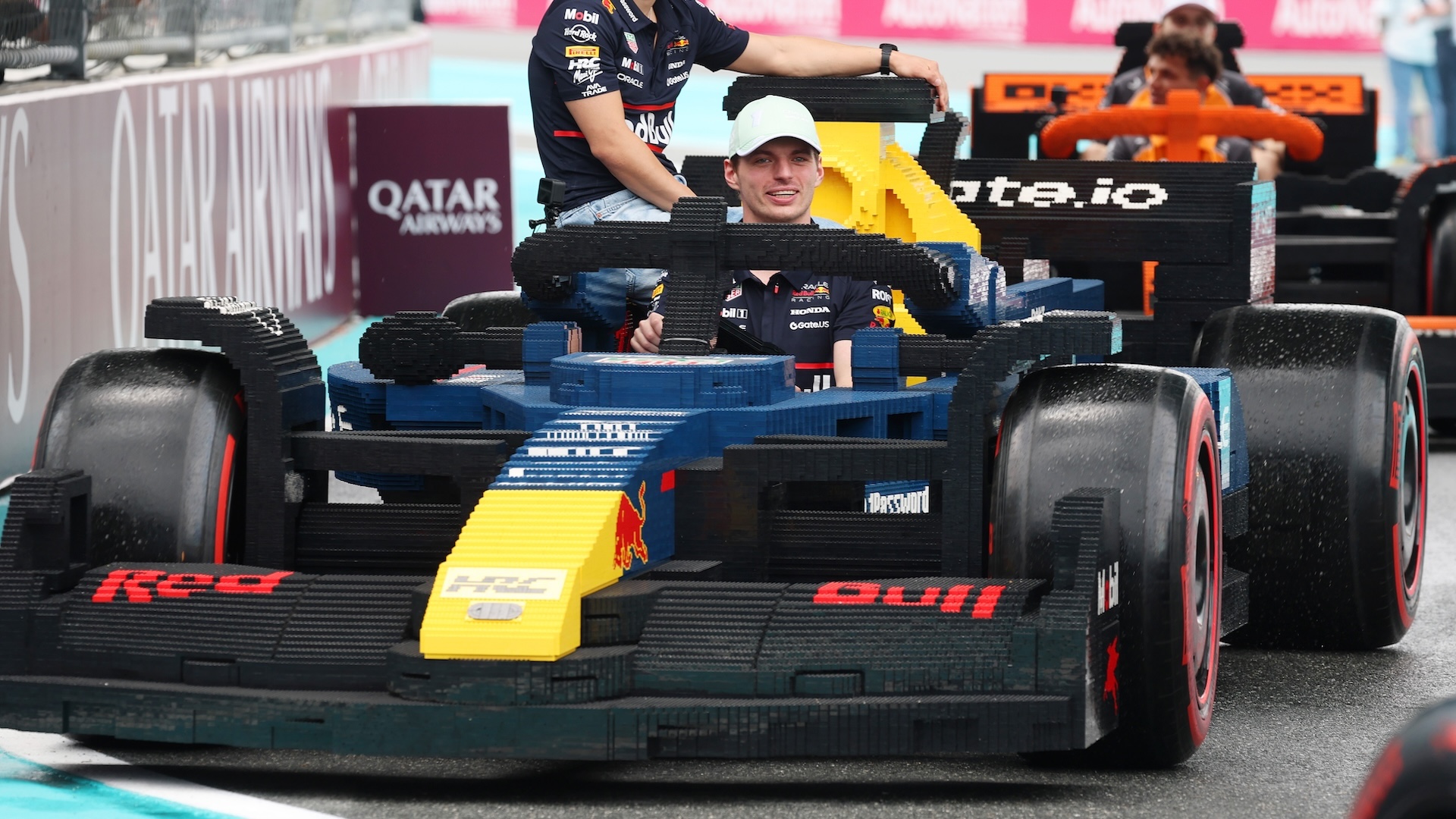
Max Verstappen has publicly criticized Formula 1's LEGO parade spectacle, saying it makes drivers look like "kids and clowns." The three-time world champion expressed his frustration with the promotional event that has become a fixture at select Grand Prix weekends, including last year's Miami GP, where photographs captured his evident displeasure during the parade.
Verstappen's complaint reflects a broader tension within Formula 1 between entertainment value and driver dignity. The LEGO parade, designed to appeal to younger audiences and families attending races, requires drivers to participate in oversized plastic vehicles around the circuit. For a competitor of Verstappen's caliber and competitive mindset, the exercise represents unnecessary frivolity that detracts from the serious athletic and technical nature of motorsport.
His criticism carries weight in F1 circles. Verstappen remains the sport's dominant force and commands significant influence over how teams and the sport's governing body operate. When he publicly objects to elements of the F1 experience, paddock insiders listen. The LEGO parade falls into a category of mandatory appearances and promotional obligations that drivers increasingly chafe against as the sport expands its entertainment portfolio.
F1 has accelerated its push toward broader mainstream appeal in recent years, particularly following Netflix's "Drive to Survive" series and Liberty Media's expansion of the calendar. Parade events, grid walk celebrity appearances, and pre-race ceremonies serve marketing objectives but rarely excite drivers focused on competition. Verstappen's blunt assessment suggests some pilots view these obligations as distractions from racing itself.
Whether his complaint alters F1's approach to parade events remains unclear. The sport balances driver preferences against sponsorship deals and audience engagement metrics. LEGO represents a significant commercial partner, meaning the parade likely continues despite Verstappen's displeasure. Still, his candid comments reflect a growing undercurrent among