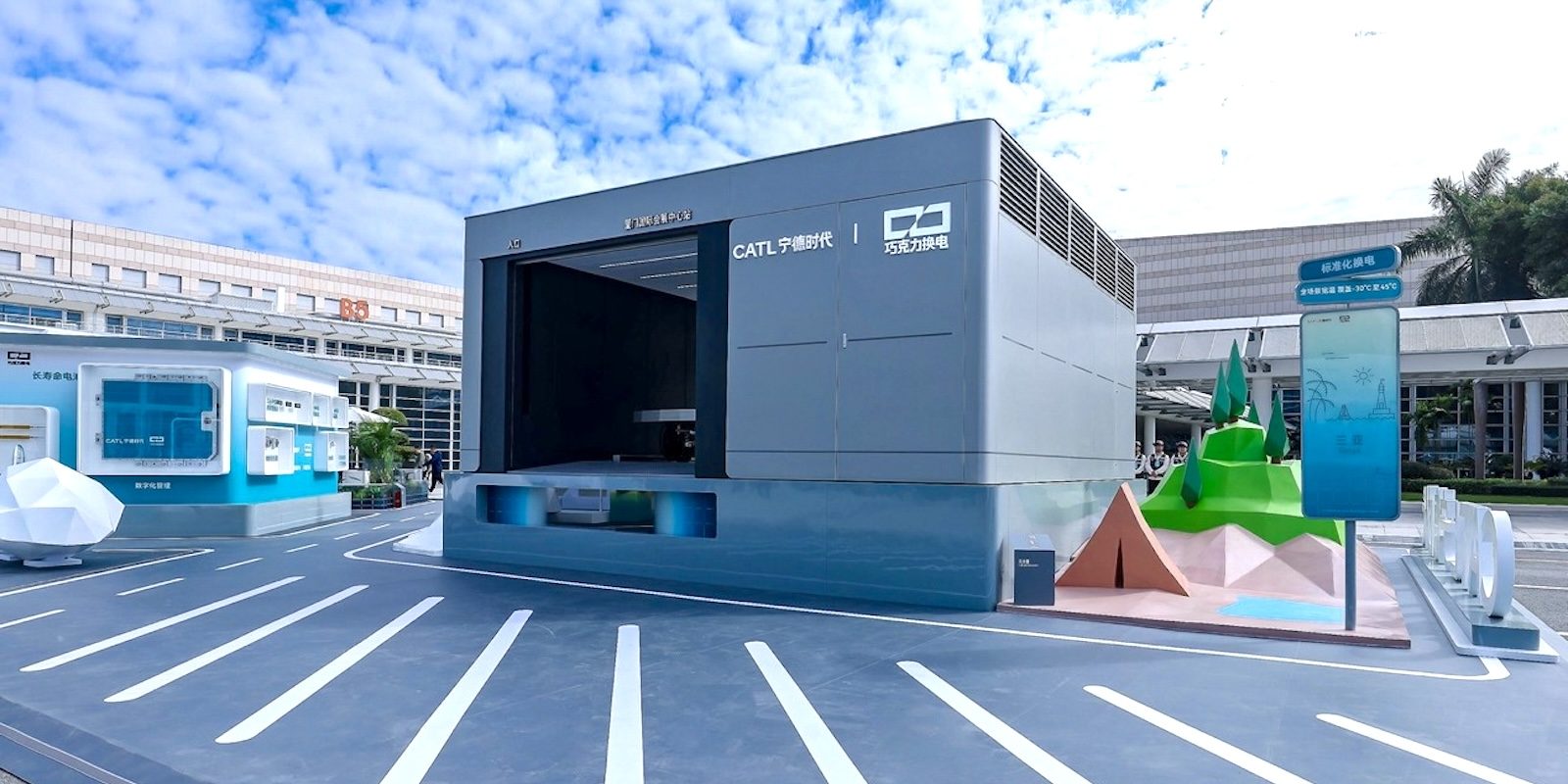
CATL's battery swap network Choco-SEB hit 2,000 stations by June 30, 2026, adding more than 200 locations every month this year. The pace represents one of the fastest infrastructure rollouts in automotive history, driven by China's shift toward battery swapping as a competitor to traditional charging.
Battery swapping eliminates wait times inherent in plug-in charging. Drivers pull into a station, robots remove their depleted battery pack, and install a fully charged one in minutes. The model appeals to fleet operators and taxi services especially, where downtime costs money. NIO, Li Auto, and others have adopted swapping strategies, but CATL's buildout speed far exceeds peers.
Choco-SEB's expansion matters because it signals China's confidence that swapping infrastructure can scale faster than charging networks. Building stations requires real estate, equipment, and logistics coordination. Deploying 200 per month means CATL solved those coordination problems at an industrial scale that Western companies have yet to match.
The network still trails charging stations numerically, but the trajectory is aggressive. Each station requires battery inventory, management software, and trained technicians. CATL controls battery production, which gives it a supply advantage competitors lack.
For automakers, Choco-SEB's growth creates a dilemma. Swapping reduces battery anxiety but locks customers into CATL's ecosystem. NIO uses its own Nio Power swap network. GAC Aion partners with China's AION swap system. Chinese manufacturers are betting that proprietary networks create brand loyalty and lock out competitors.
Western automakers watch this unfold with caution. Tesla committed to charging networks instead, betting standardization and ubiquity beat convenience. Ford and GM build charging partnerships but avoid proprietary swapping. The philosophical split reflects different views on infrastructure control and customer lock-