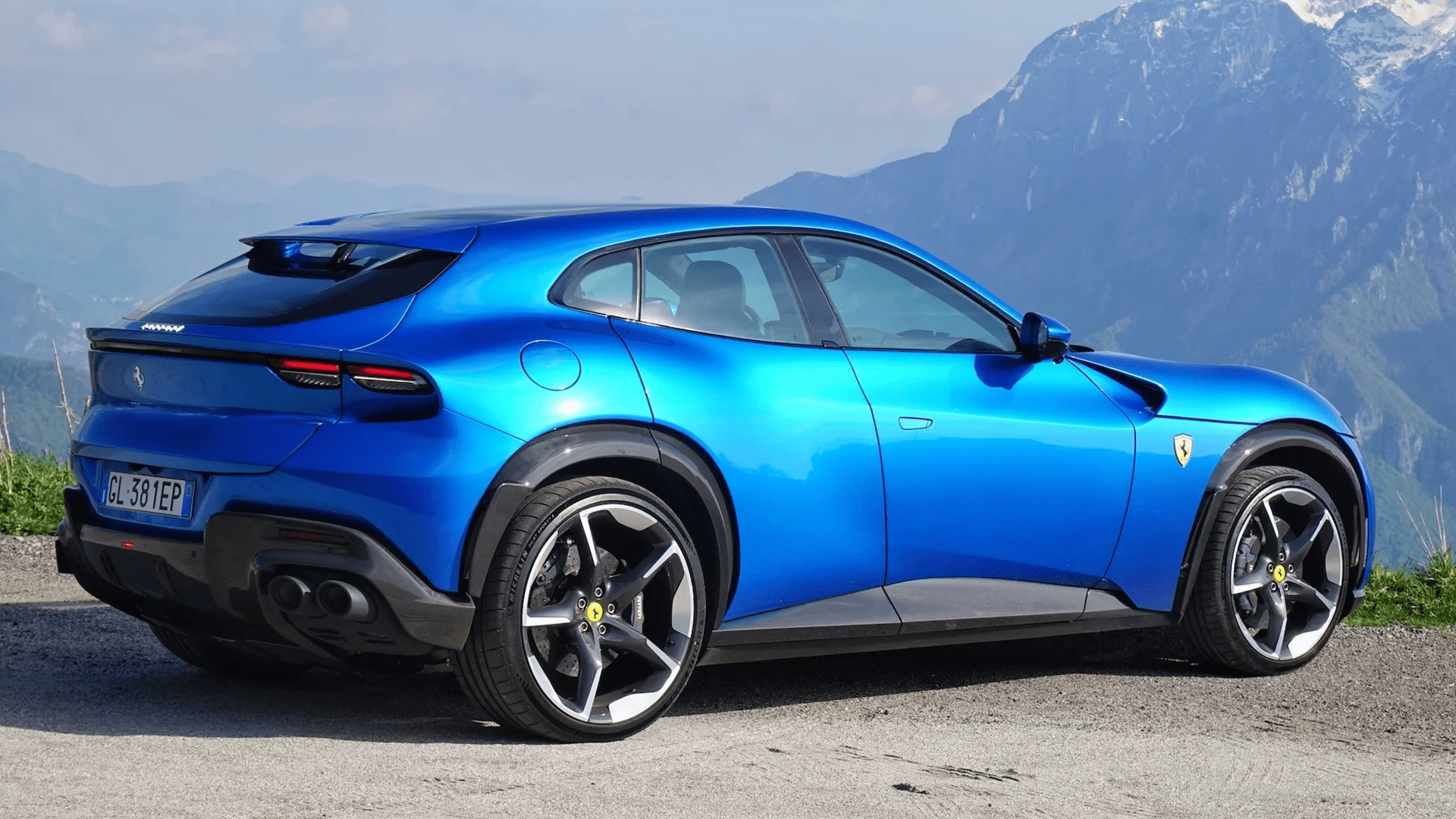
Supercar manufacturers build SUVs for reasons far more strategic than survival. The common narrative that exotic marques like Lamborghini, Ferrari, and Porsche need SUV revenue to bankroll their sports car operations oversimplifies a complex business reality.
The truth centers on brand diversification and market positioning. These companies recognize that wealthy buyers want practical daily drivers wrapped in their favorite nameplate. A Lamborghini LM002 or Ferrari Purosangue doesn't cannibalize supercar sales. Instead, it captures a different buyer entirely. Someone who owns a Urus might never have purchased a Lamborghini supercar anyway, but the SUV gets that customer into the brand ecosystem.
Porsche proved this model works decades ago with the original Cayenne, which launched in 2002 to significant skepticism from purists. Today, SUVs generate more Porsche revenue than sports cars. That success opened the door for competitors.
Profitability also matters. High-margin SUVs actually support innovation in core sports cars. Ferrari's development budget for future supercars partly funds through Purosangue profits. The math works backward from how traditionalists view it. Supercars don't subsidize SUVs. SUVs bankroll supercars.
Brand prestige compounds the advantage. Selling an SUV to a wider customer base amplifies brand visibility and desirability. A Lamborghini SUV owner becomes a walking advertisement, and exclusivity remains intact because pricing stays stratospheric. Base prices run between $200,000 and $350,000 depending on the model.
Regulatory pressure adds another layer. Stricter emissions standards and changing markets force manufacturers to broaden their portfolios. SUVs meet consumer demand while satisfying global regulations that pure-performance brands couldn't navigate alone.
The exotic SU