Global light vehicle sales remain under pressure from persistent headwinds, according to Automotive World's latest monthly forecast. The June 2026 edition tracks sales volumes across major regional markets, revealing continued softness in demand even as automakers navigate shifting consumer preferences and economic uncertainty.
The forecast reflects a market caught between competing forces. Developed markets face mature demand and consumer hesitation around vehicle purchases. Emerging markets show growth potential but remain volatile. Electrification continues reshaping buyer behavior, with EV penetration climbing in Europe and parts of Asia while slower adoption persists in North America and developing economies.
Regional breakdowns expose stark differences in trajectory. Europe maintains relatively steady volume but grapples with an EV transition that cannibalizes traditional combustion sales. China's market stabilization masks intense competition among domestic EV makers and legacy automakers fighting for share. North America holds firm despite economic choppiness, though truck and SUV demand remains the primary growth driver.
Supply chain normalization has largely closed, meaning current sales weakness reflects genuine demand patterns rather than production constraints. This reality forces manufacturers to reckon with overcapacity, particularly in battery production and EV-focused factories built during the pandemic's optimistic expansion phase.
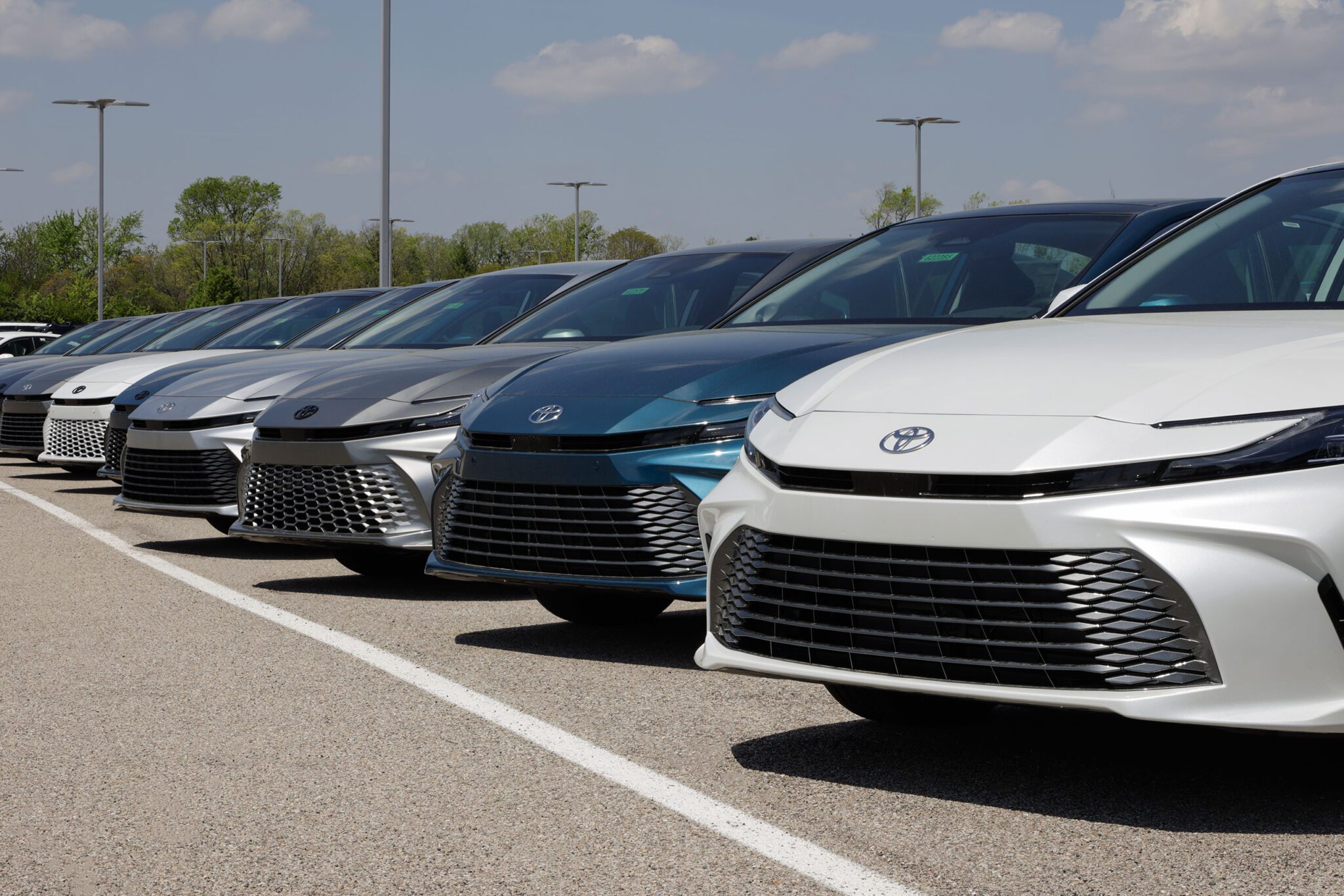
Pricing power has eroded significantly. Dealers report inventory buildup and aggressive incentives becoming standard. Brands dependent on high-margin luxury vehicles face particular pressure as affluent buyers delay purchases. Mass-market segments absorb the most acute competition, with value and practicality determining winner and loser.
The forecast underscores an industry in transition rather than crisis. Sales volumes remain historically robust, but growth expectations have reset downward. Profitability matters more than volume gains. Automakers continue reallocating capital toward battery technology and software platforms while trimming legacy combustion engine development.
Geopolitical tensions, tariff uncertainty, and interest rate persistence add layers of unp