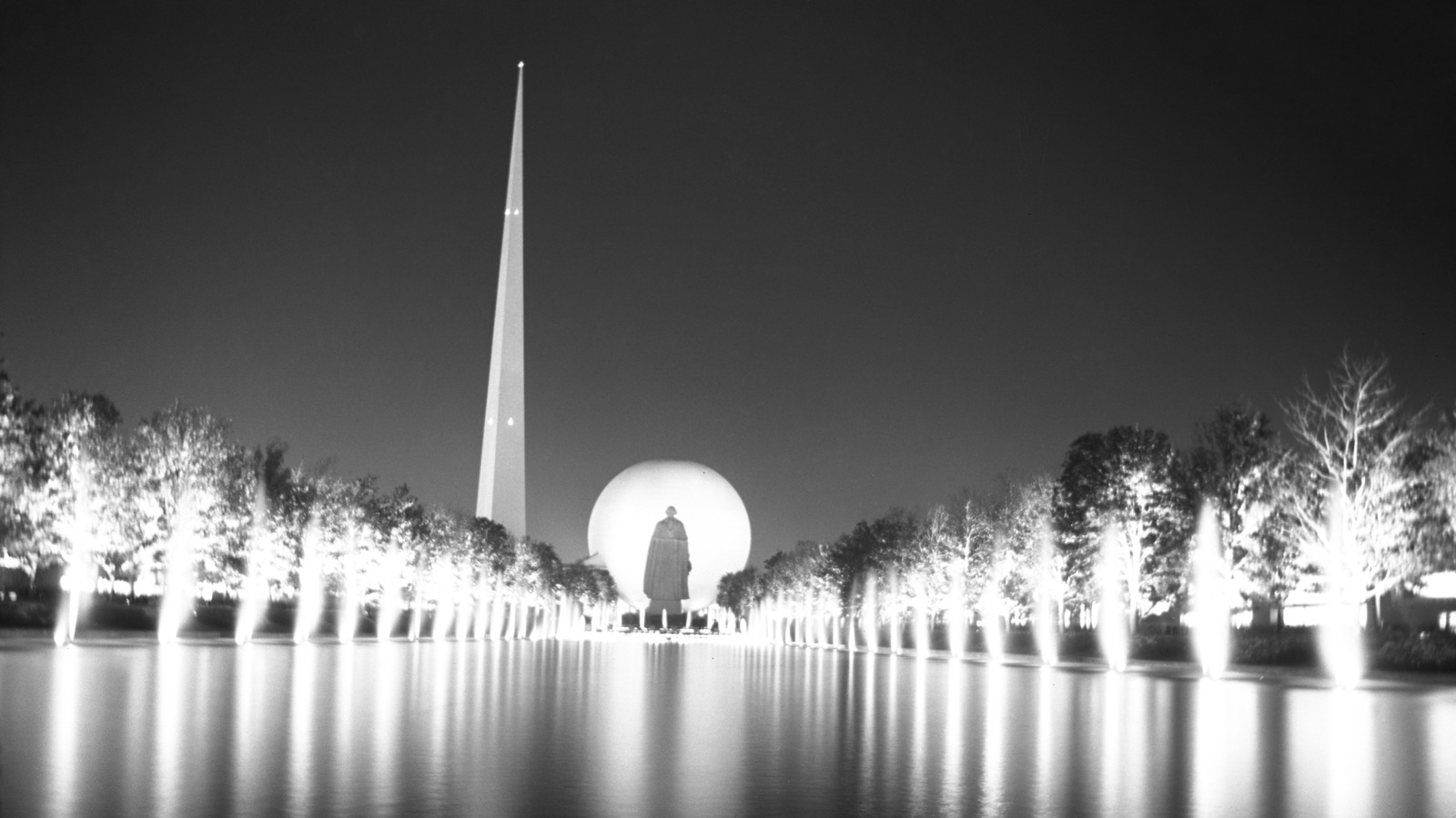
New York's 1940 World's Fair concluded with a Grand Prix held on a three-quarter-mile circuit carved through the fairground's public roads. This racing event marked a fitting finale to an era when world's fairs commanded genuine cultural gravity and attracted the world's attention to technological advancement and national pride.
The circuit itself was compact but demanding, forcing drivers to navigate tight corners and elevation changes across the fairground terrain. This wasn't a purpose-built racing venue. Instead, organizers converted existing public roads into a temporary racing surface, a common practice in that era before dedicated racetracks became prerequisites for motorsport events.
The 1940 Grand Prix reflected the motorsport culture of its time. Racing remained deeply embedded in American public life, with events held at fairgrounds and city streets rather than isolated facilities. Drivers, teams, and spectators viewed such races as central attractions alongside exhibits celebrating industrial progress and national achievement.
The World's Fair itself represented the last gasp of a particular American institution. These massive exhibitions once functioned as showcases for the future, drawing millions to experience innovations before they reached consumers. The 1940 New York fair offered pavilions, technological demonstrations, and entertainment that defined what forward-thinking looked like in the pre-war era.
By contrast, modern world's expos have lost that cultural grip. They no longer capture national imagination or command the resources they once did. The Grand Prix finale in 1940 symbolized an age when fairs organized grand sporting events, when racing existed in public spaces, and when entire cities rallied around celebrations of progress and speed.
That closing race on the fairground's temporary circuit remains a reminder of how differently Americans once celebrated innovation and national achievement. The three-quarter-mile loop hosted drivers racing for glory on roads that would return to ordinary use once the fair closed, leaving only memories and press clippings behind.