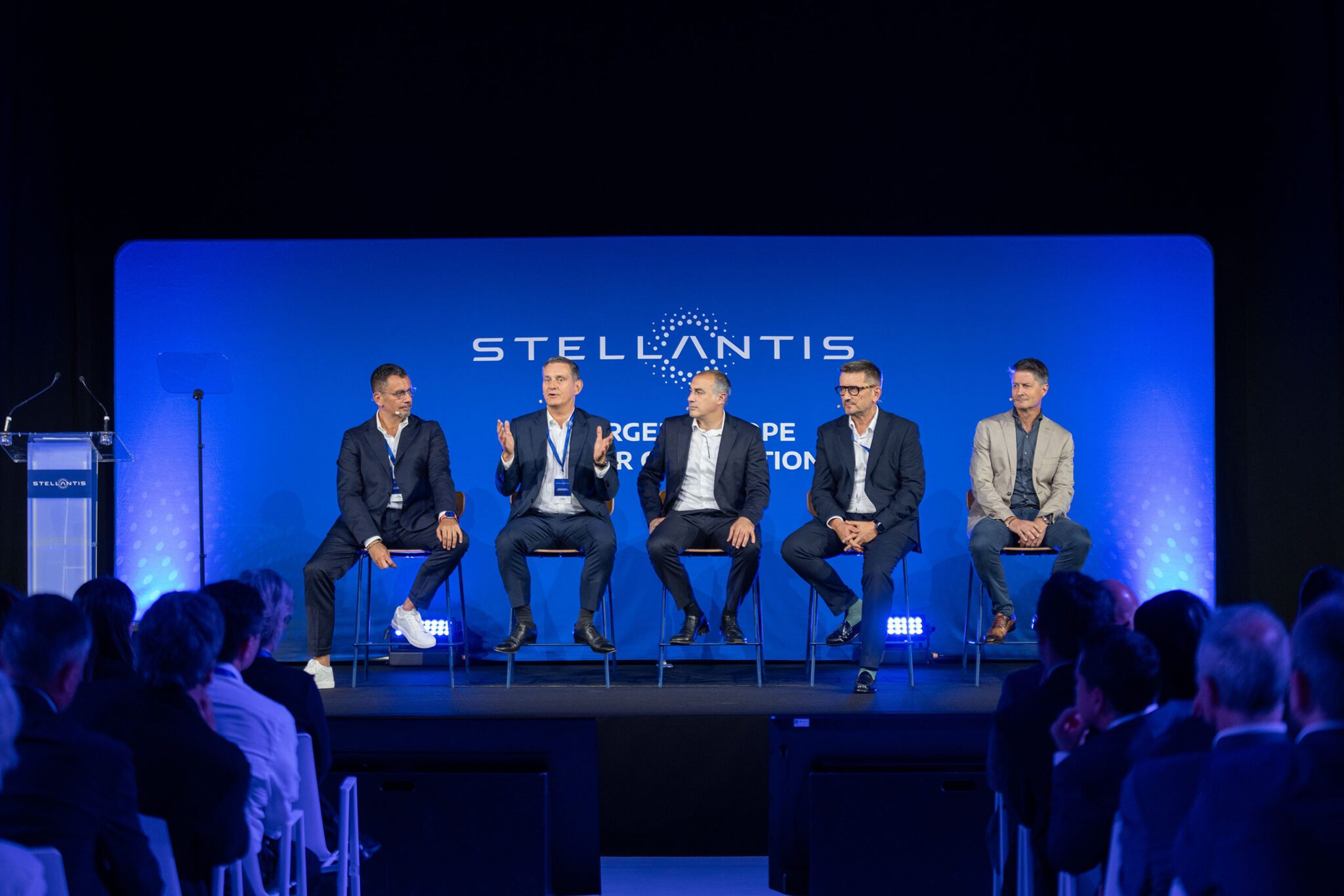
Stellantis convened its European supplier base at the Europe Supplier Convention to reinforce faSTLAne 2030, the automaker's mid-decade transformation roadmap. Rather than treating the strategy as internal messaging, Stellantis positioned the initiative as a binding contract between manufacturer and supply chain partners, signaling that suppliers must align operations, investment, and product development with the company's aggressive targets.
faSTLAne 2030 encompasses Stellantis' push toward electrification, software-defined vehicle architecture, and cost reduction across its sprawling portfolio of 14 brands including Jeep, Ram, Peugeot, Citroen, Opel, and Alfa Romeo. The strategy demands suppliers make parallel commitments to battery sourcing, semiconductor partnerships, and manufacturing flexibility to support both traditional powertrains and EV platforms through 2030.
This supply chain alignment reflects industrywide pressure. Stellantis faces margin compression from EV transition costs while competing against Tesla, Chinese automakers, and legacy rivals like Volkswagen and BMW. Securing supplier buy-in locks down component pricing, delivery schedules, and technology roadmaps that directly impact vehicle profitability and launch timelines.
The convention format underscores a shift in how large automakers manage suppliers. Stellantis moved beyond vendor relationships into partnership frameworks tied to specific financial commitments and performance metrics. Suppliers attending understood the implicit message: support faSTLAne 2030 or risk losing contract renewals as the company consolidates its supplier base around partners capable of delivering scaled EV components and software integration.
Stellantis CEO Carlos Tavares has emphasized that faSTLAne 2030 targets 20 billion euros in cumulative cost reductions and margin expansion in Europe alone. Achieving those numbers requires suppliers to absorb some efficiency demands while