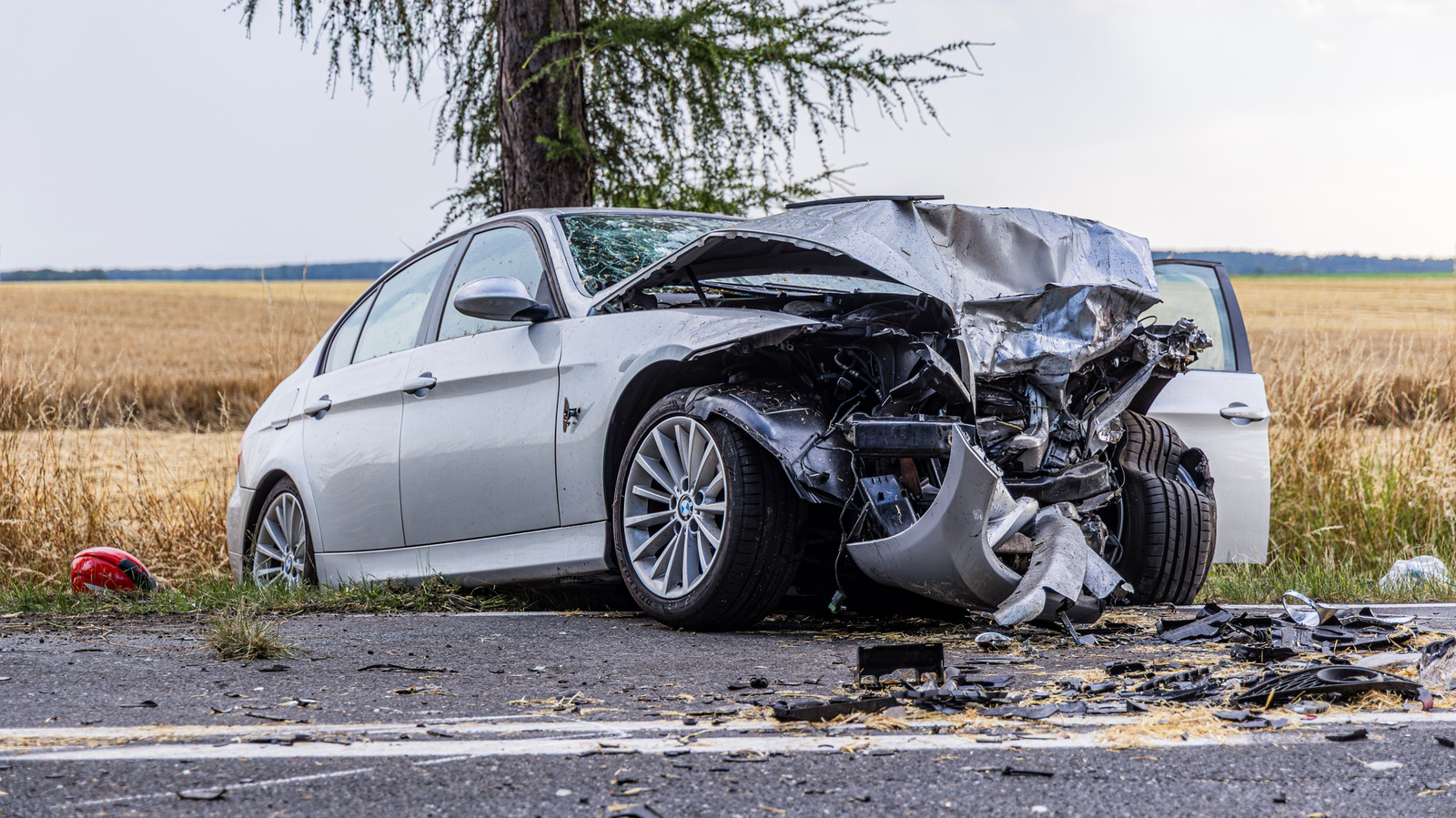
Safety ratings mean different things depending on when your car was tested. A five-star crash test score from 2014 does not guarantee the same level of protection as a five-star rating from 2024.
Testing standards have evolved dramatically. The National Highway Traffic Safety Administration (NHTSA) and the Insurance Institute for Highway Safety (IIHS) continuously update their protocols to reflect real-world accident data. Modern tests include frontal offset crashes, side impacts, rollover resistance, and increasingly, rear crash scenarios. NHTSA introduced new side-impact testing in 2020 that's tougher than previous versions. IIHS added crashworthiness standards for smaller overlap frontal crashes in 2012 and has tightened scoring criteria multiple times since.
Older vehicles also lack the active safety systems standard in new cars today. Lane-keeping assist, automatic emergency braking, and adaptive cruise control function as collision prevention rather than just crash mitigation. A 2014 Honda Accord might have excellent structural crashworthiness, but it has no autonomous braking system. A 2024 Accord comes standard with these features on lower trims.
Material science matters too. Modern cars use advanced high-strength steel and aluminum alloys that absorb and distribute crash energy more efficiently than earlier generation materials. Seat belt pretensioners, airbag inflation rates, and padding materials have all improved.
Insurance data backs this up. Fatality rates per mile driven have dropped roughly 20 percent since 2014, driven largely by improvements in active safety technology rather than passive structural changes alone.
This doesn't mean older cars are unsafe. A well-maintained 10-year-old vehicle still protects occupants far better than cars from the 1980s or 1990s. But the gap between genuinely old cars and new ones continues widening.