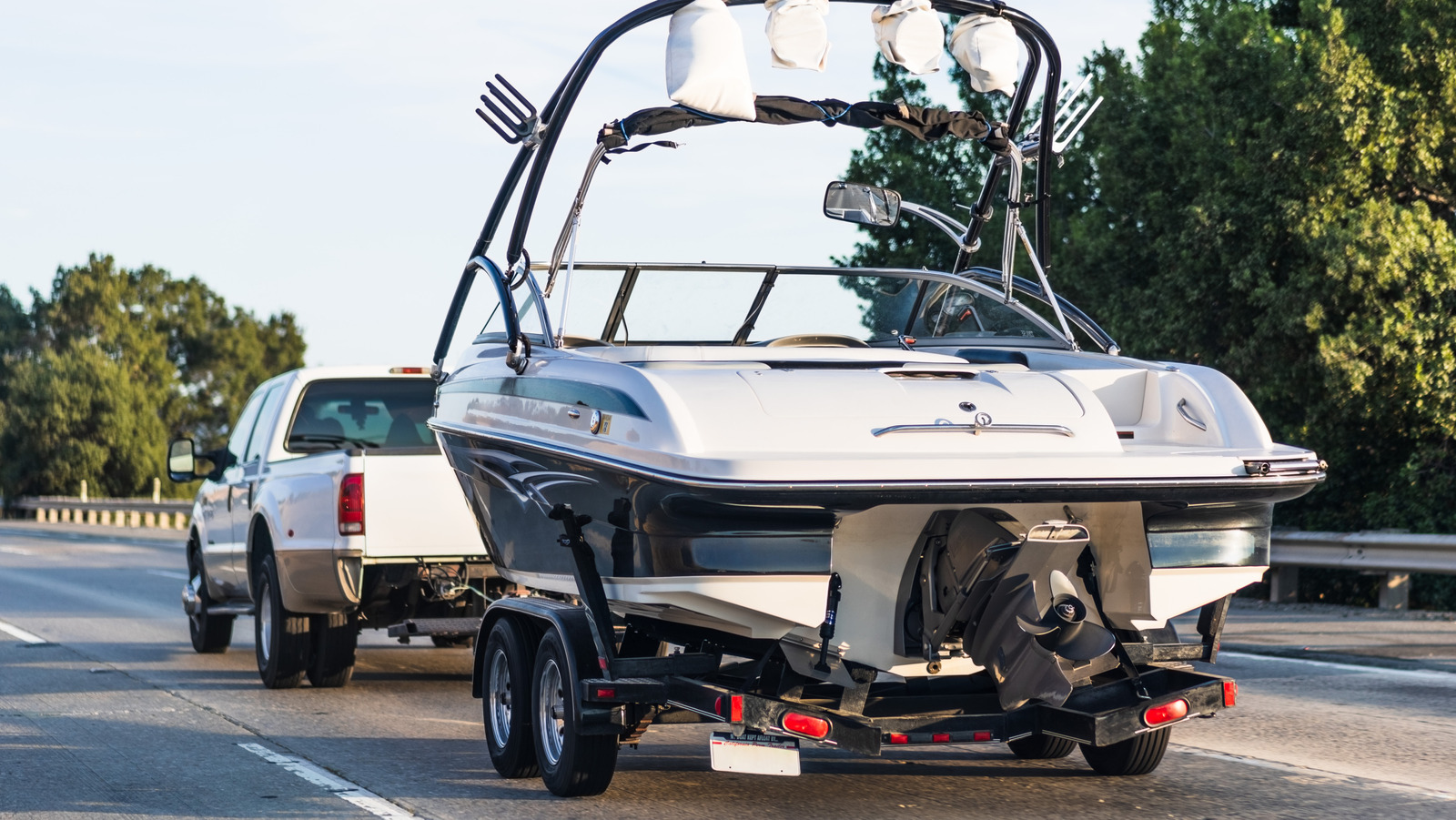
Car tires and trailer tires look similar, but their internal engineering differs fundamentally. Trailer tires are built to handle sustained loads and maintain consistent pressure over long distances without the flex that passenger car tires require.
Car tires feature sidewalls engineered for vertical compliance. They absorb road impacts and allow the tire to flex during acceleration, braking, and cornering. This design prioritizes comfort and handling responsiveness. Passenger vehicle suspension systems work in concert with this flex to manage road feel and stability.
Trailer tires use reinforced sidewalls built to remain rigid under load. They're engineered to resist the lateral forces generated by a trailer's single point of attachment. A trailer can't lean into a turn the way a car does, so the tire must handle sideways stress without flexing. The tread compounds differ too. Trailer tires use harder rubber formulations designed for load consistency rather than grip variety.
Mixing tire types creates dangerous compromises. A car tire mounted on a trailer experiences load stress it wasn't designed to handle. The flexible sidewalls can overheat, accelerating compound degradation and failure. Under heavy braking or sudden steering input, a car tire on a trailer may not provide adequate lateral stability. The tire can slip or fail suddenly.
Conversely, trailer tires mounted on a car deliver a harsh ride. Their rigid construction transfers every road imperfection directly to the chassis. Handling becomes unpredictable because the tire can't flex to maintain consistent contact during cornering. Braking performance suffers because the tire can't distribute pressure properly during deceleration.
Manufacturer load ratings on tires specify maximum weight and pressure for a reason. Car tires carry lower load ratings than equivalent trailer tires. Exceeding these ratings voids warranties and increases blowout risk substantially.
The cost difference between proper trailer tires and compromising with car t