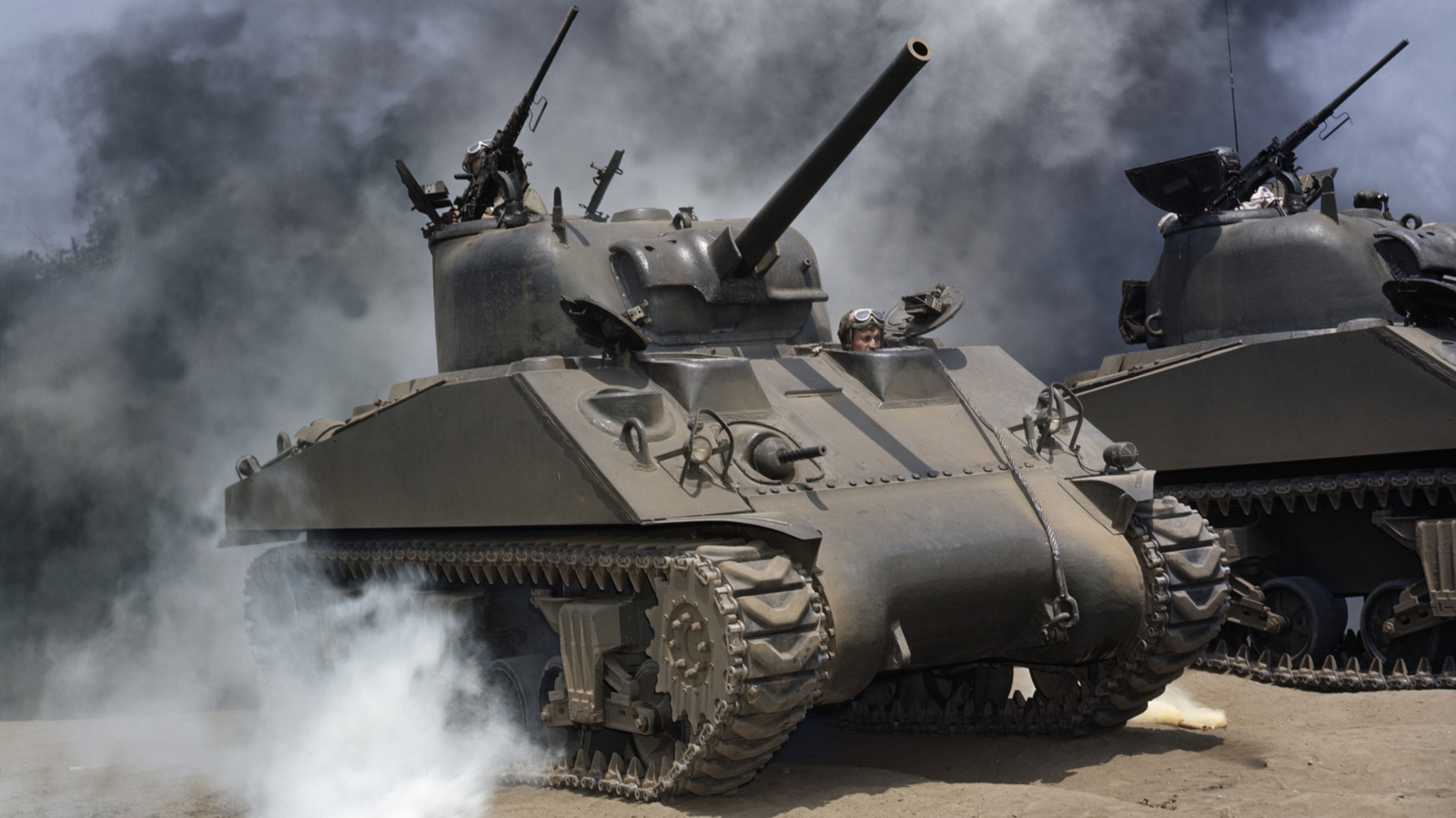
Ford's 5.0-liter naturally aspirated V8 in the 2024 Mustang Dark Horse produces exactly 500 horsepower. That number carries unexpected historical weight. The same 500-horsepower output powered the M4 Sherman tank during World War II, the workhorse armored vehicle that defined American mechanized warfare.
The connection runs deeper than coincidence. Both machines share Ford engineering DNA and represent the company's approach to reliable, repeatable power generation across vastly different applications. The Sherman's Radial engine, often a Continental R-975, delivered that 500-hp figure consistently across thousands of units. The engineering philosophy prioritized durability and manufacturability over peak performance, allowing mass production without sacrificing capability.
Fast forward eight decades. The Dark Horse's naturally aspirated 5.0 achieves the same output while meeting modern emissions standards and delivering the visceral engine note that performance enthusiasts demand. Ford engineered this engine to be accessible, straightforward, and capable of sustained performance without forced induction complexity.
The parallel highlights automotive evolution. During wartime production, 500 hp represented serious power for a 30-ton vehicle. Today, that same figure defines one of Ford's most track-focused Mustang variants, capable of 3.9-second zero-to-60 acceleration and a 12.5-second quarter-mile.
The real story involves engineering pragmatism. Both the Sherman and the Dark Horse occupy middle ground in their respective eras. The tank couldn't match German Tiger firepower or armor, but it could be built in volume by American factories using available components. Similarly, the Dark Horse doesn't compete on turbo horsepower with modern rivals. It competes on authenticity and driver engagement.
Ford selected 500 horsepower for the Dark Horse because it represents the maximum the 5.