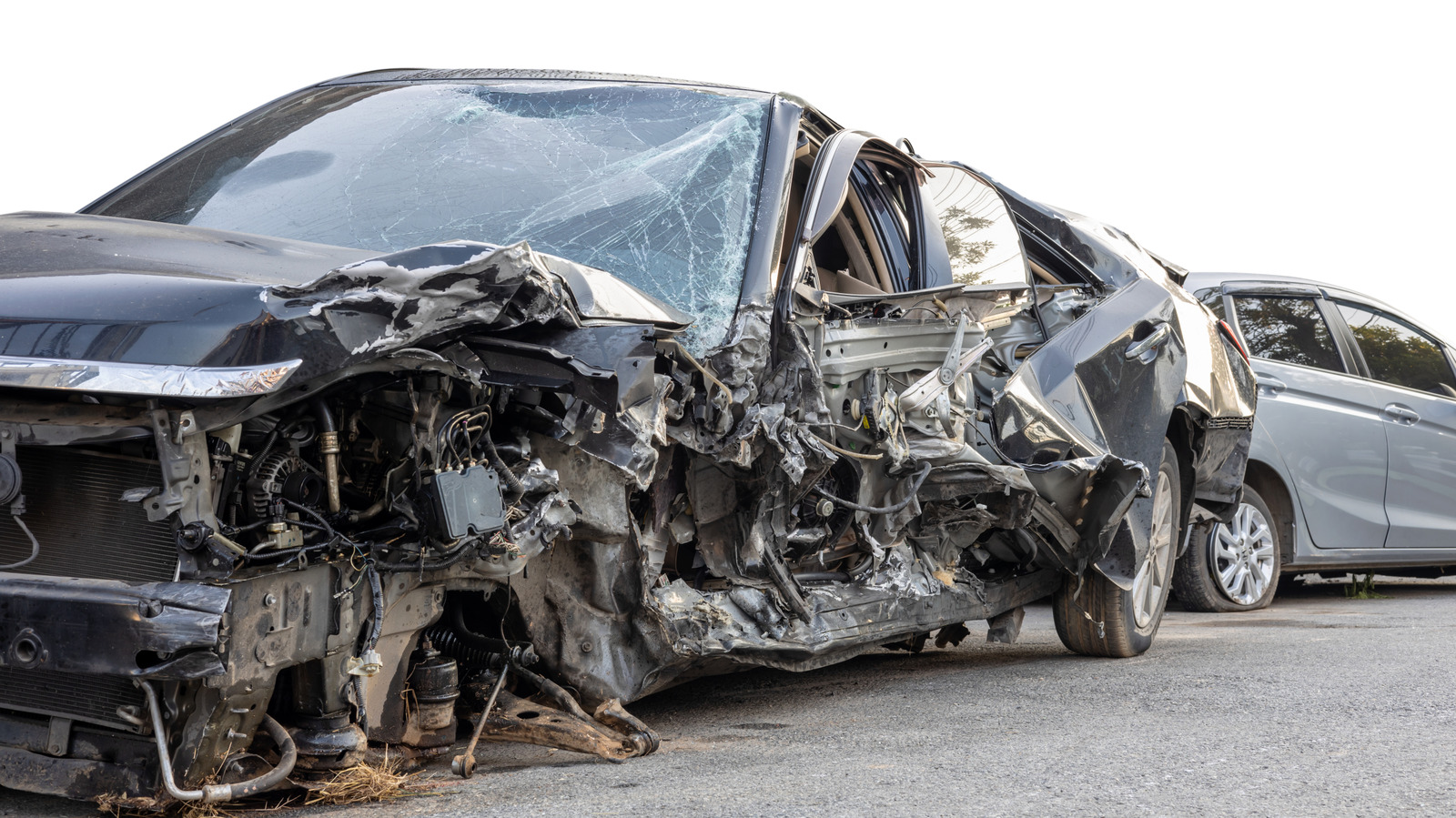
City driving generates more total accidents, but rural roads deliver higher fatality rates. The distinction matters for how you assess actual risk.
Urban environments see higher accident frequency because traffic density concentrates exposure. More cars, more intersections, more pedestrians, more opportunities for collisions. A fender-bender in downtown traffic happens faster than you'd think. Insurance data backs this up: city drivers file more claims annually than their rural counterparts.
Rural accidents tell a grimmer story. Low traffic volumes create a false sense of security. Drivers speed. Road maintenance lags. Emergency response times stretch to 30 minutes or longer. When a crash happens on a country road at 65 mph with no witnesses nearby, the outcomes turn catastrophic. Rural fatality rates per accident run two to three times higher than urban crashes.
Speed differential explains much of the damage gap. City driving averages 25-35 mph in congested zones. Rural highways permit 55 mph or faster. Physics favors survival at lower speeds. A 30 mph impact gives occupants better odds than a 60 mph head-on collision.
Behavioral factors compound the risk. Rural drivers often underestimate hazards. Poorly lit roads at night. Gravel shoulders. Deer crossings. Wildlife collisions cause serious injuries and fatalities that city drivers rarely encounter. Distraction levels also differ. Urban drivers stay alert because the environment demands it. Rural drivers zone out on empty stretches.
The safest approach acknowledges both threats. City driving requires constant defensive positioning and quick reactions to unpredictable movements. Rural driving demands speed control, heightened situational awareness, and acceptance that help arrives slowly. Neither environment is inherently safer. One kills more people overall. The other kills higher percentages of those involved in crashes.
Your actual risk depends on how you drive each environment, not which one you choose.