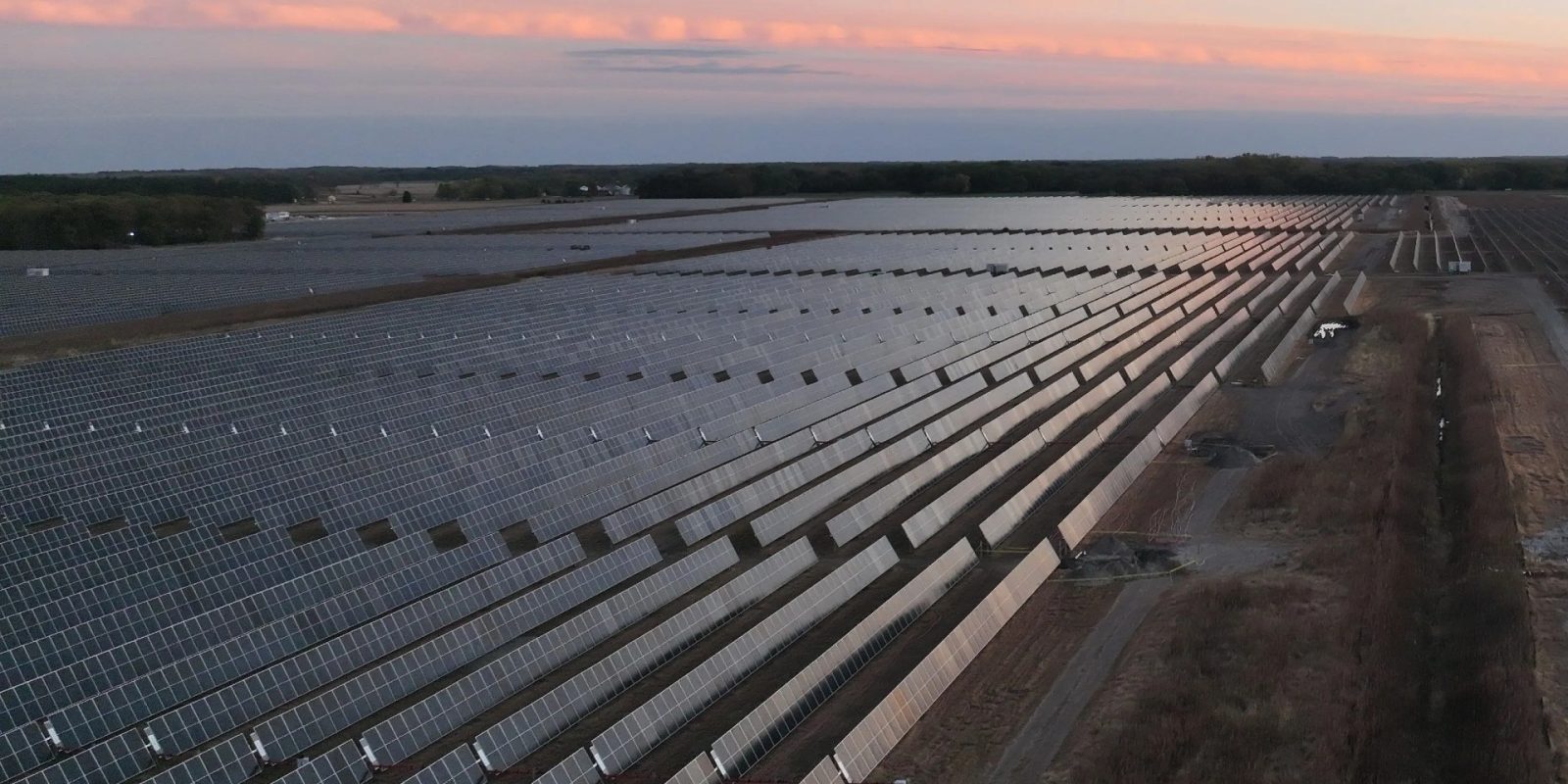
Renewable energy sources reached a milestone in early 2026, generating 30 percent of all US electricity during the first four months of the year. The US Energy Information Administration reported this figure represents a 2.2 percent jump from the same period in 2025, marking steady momentum toward decarbonization targets.
This threshold reflects years of accelerating investment in solar and wind infrastructure. Solar capacity additions have outpaced natural gas for consecutive years, while offshore wind projects continue expanding along both coasts. Battery storage deployment supports grid stability as variable renewables gain share.
The 30 percent mark carries symbolic weight in energy policy circles. It demonstrates renewables can sustain meaningful grid penetration without sacrificing reliability, a long-standing skeptic talking point. Utilities now manage higher renewable percentages through improved forecasting, interconnection standards, and demand-side flexibility.
Coal generation continues its secular decline, now claiming roughly 16-18 percent of the generation mix. Natural gas remains the largest single source at around 40 percent, though its growth has slowed as renewable costs fell below fossil fuel alternatives. Nuclear power holds steady at approximately 19 percent, providing reliable baseload generation that complements intermittent renewables.
State-level drivers vary significantly. California, Texas, and New York lead total renewable capacity. Coastal states prioritize offshore wind. Middle America emphasizes utility-scale solar farms and wind installations. Texas dominates wind generation through West Texas and Panhandle resources, while California leads solar production.
The transition accelerates EV adoption patterns. Higher renewable penetration reduces the carbon intensity of grid electricity, improving electric vehicle emissions profiles versus petroleum alternatives. This feedback loop strengthens EV economics for consumers focused on total lifecycle environmental impact.
Infrastructure challenges remain. Transmission bottlenecks restrict renewable output in certain regions. Grid modernization costs mount as utilities upgrade aging systems to accommodate distributed generation