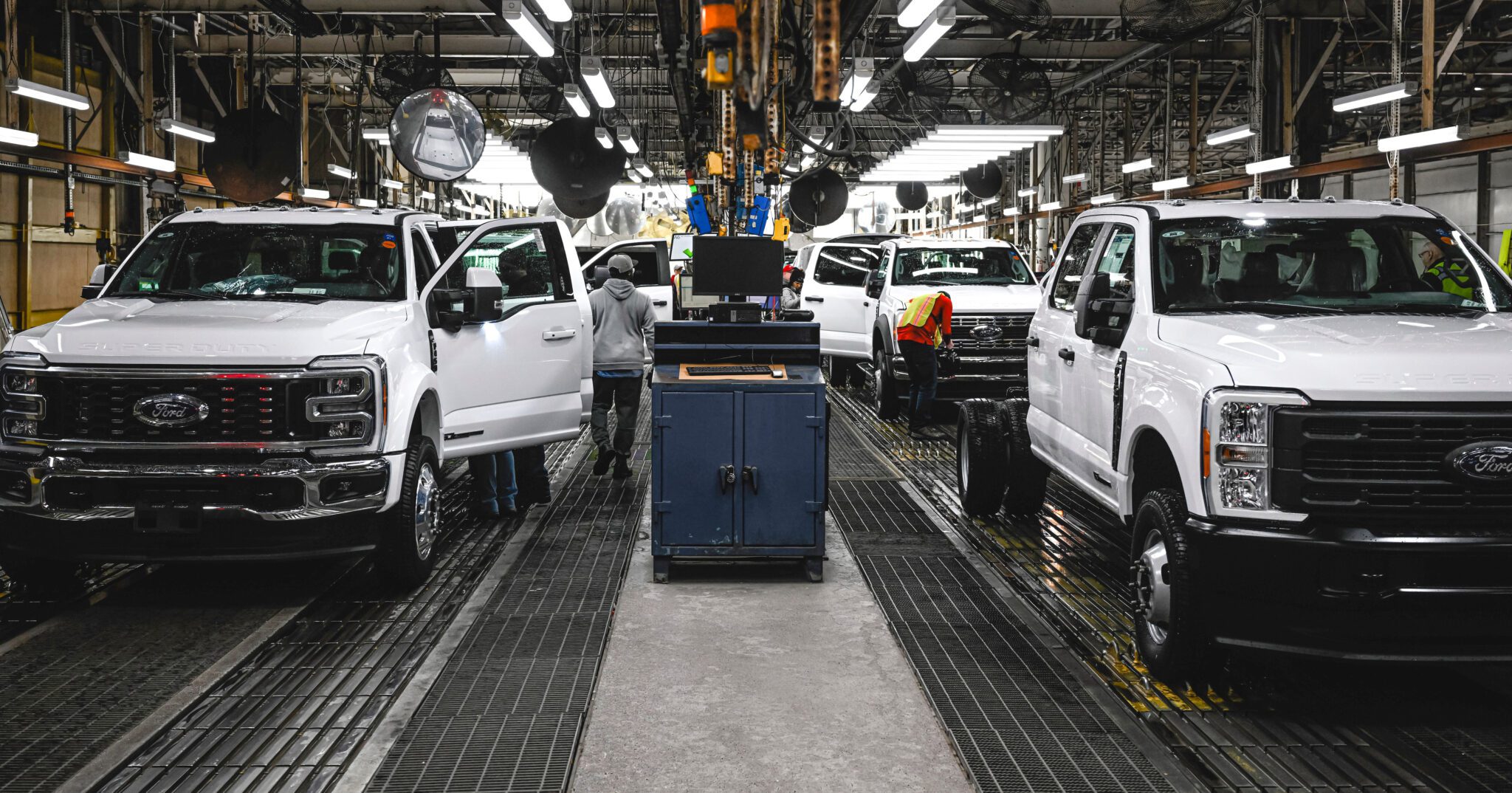
Ford's second-quarter sales took a hit from persistent aluminum supply constraints stemming from a September 2025 fire at Novelis, a major supplier of rolled aluminum sheet used in vehicle body panels. The F-Series lineup, Ford's most profitable and highest-volume franchise, bore the brunt of production disruptions.
Novelis supplies aluminum coil to automakers across North America. The fire at its facility created a supply bottleneck that rippled through the industry for months. Ford, which relies heavily on aluminum body construction for the F-150, F-250, and F-350 trucks, struggled to maintain output at planned levels. The shortage persisted into Q2 even as Novelis worked to restore production capacity.
The F-Series generates roughly 40 percent of Ford's total North American profit. Any disruption to this line directly impacts earnings and market share. Ford couldn't fully offset lost F-Series volume with sales of other models, and the company likely lost retail customers to General Motors and Stellantis, which may have had better access to alternative aluminum suppliers or stockpiles.
Industry-wide, the Novelis incident underscored how concentrated the supply chain remains for critical materials. Automakers hedge aluminum sourcing across multiple vendors, but the sheer volume required for truck production means single-source disruptions can cripple output for months. Novelis dominates U.S. rolled aluminum production, giving it outsized leverage over OEM schedules.
Ford expected Q2 recovery to accelerate as Novelis ramped production back to normal levels. The automaker adjusted production schedules to prioritize higher-margin F-Series and Super Duty trucks over less profitable segments. However, lost sales during the shortage period cannot be recovered, and Ford faced inventory challenges balancing demand against aluminum availability through the quarter.
The supply crisis highlighted why Ford and other Detroit