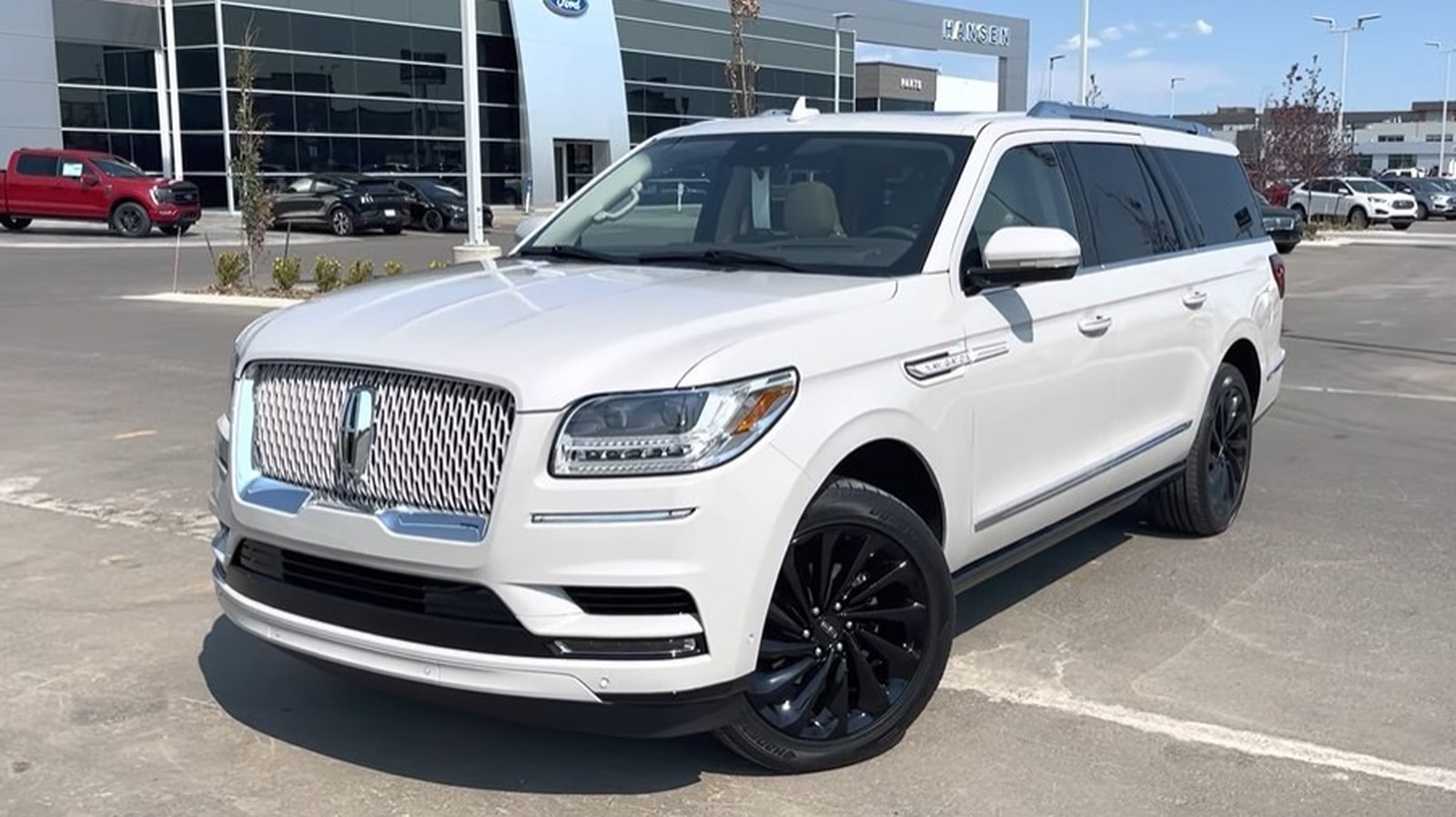
The 2021 Lincoln Navigator L represents a telling case study in luxury SUV depreciation. This extended-wheelbase variant of Lincoln's flagship three-row SUV launched at a premium price point, commanding roughly $100,000 or more depending on trim and options. After five years, used examples now trade in the $55,000 to $65,000 range, reflecting a depreciation loss of approximately 40 to 45 percent from original retail.
This depreciation curve tracks predictably within the luxury SUV segment. The Navigator L competes against the Cadillac Escalade ESV and, to some extent, the BMW X7, vehicles that similarly shed value at rates matching or exceeding the Navigator's trajectory. Luxury three-row SUVs face inherent headwinds. They carry steep purchase premiums over their non-luxury competitors, yet buyers of used examples demand steeper discounts than those shopping mainstream alternatives.
The Navigator L's specific positioning amplifies the challenge. Its 5-inch wheelbase extension targets families prioritizing rear-seat room and cargo flexibility, but that niche audience narrows the secondhand buyer pool. Fewer potential owners translates to softer resale demand. Maintenance costs and fuel consumption, never trivial on a 450-horsepower 3.5-liter twin-turbo engine, weigh heavier on buyers contemplating five-year-old vehicles.
Lincoln's brand cachet remains secondary to German luxury marques and even to Cadillac's recent cultural rehabilitation efforts. That perception gap compounds depreciation pressure. A similarly aged Escalade ESV often holds value more effectively due to stronger brand desirability and a broader used-market audience.
For buyers evaluating the Navigator L used, the 40 to 45 percent depreciation figure presents both opportunity and caution. Purchase prices have normalized