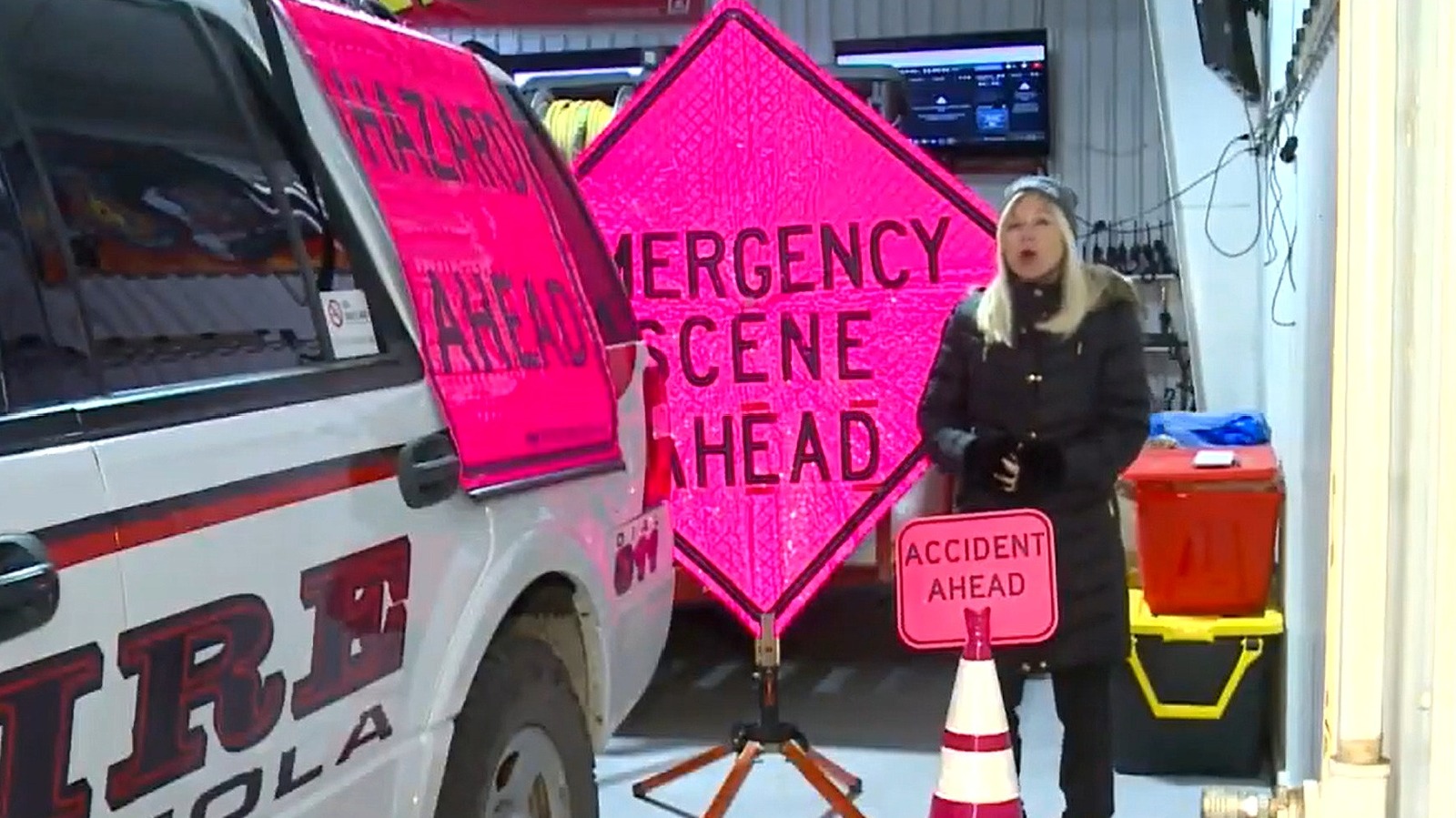
Fluorescent pink road signs represent one of the rarest safety warnings on American highways, officially designated by the Manual on Uniform Traffic Control Devices (MUTCD). These signs appear infrequently by design, which makes spotting one a genuinely unusual occurrence for most drivers.
Pink signs serve a specific purpose in the traffic control hierarchy. Unlike standard yellow warning signs for general hazards or orange signs for construction zones, pink alerts drivers to temporary, mobile hazards that demand immediate attention. You'll encounter them near incident response operations, hazardous material spills, or other emergency situations requiring quick driver awareness and reaction.
The MUTCD established fluorescent pink as an official designation to create visual hierarchy and prevent sign fatigue. Because drivers see yellow and orange signs regularly, their impact diminishes through familiarity. Pink's rarity ensures that when a driver spots one, the psychological effect registers differently. The unusual color commands attention precisely because it breaks from routine.
State highway departments deploy pink signs strategically around accident scenes, emergency response operations, and temporary roadway hazards. Law enforcement and road crews position them to protect workers and divert traffic safely. The fluorescent coating enhances visibility during both day and night driving conditions.
Spotting a pink road sign means something genuinely abnormal occupies the roadway ahead. Unlike construction that might persist for weeks or seasonal weather warnings, pink signs typically indicate immediate threats requiring heightened vigilance. Drivers should reduce speed and prepare for sudden lane changes or stops.
The rarity works both ways. Because most drivers rarely encounter pink signs, some may not immediately recognize their significance. Driver education programs occasionally highlight them, but they don't appear in standard licensing test materials since most people won't face them during routine driving. This creates a knowledge gap worth closing, especially for safety-conscious motorists who want complete understanding of road sign meanings.