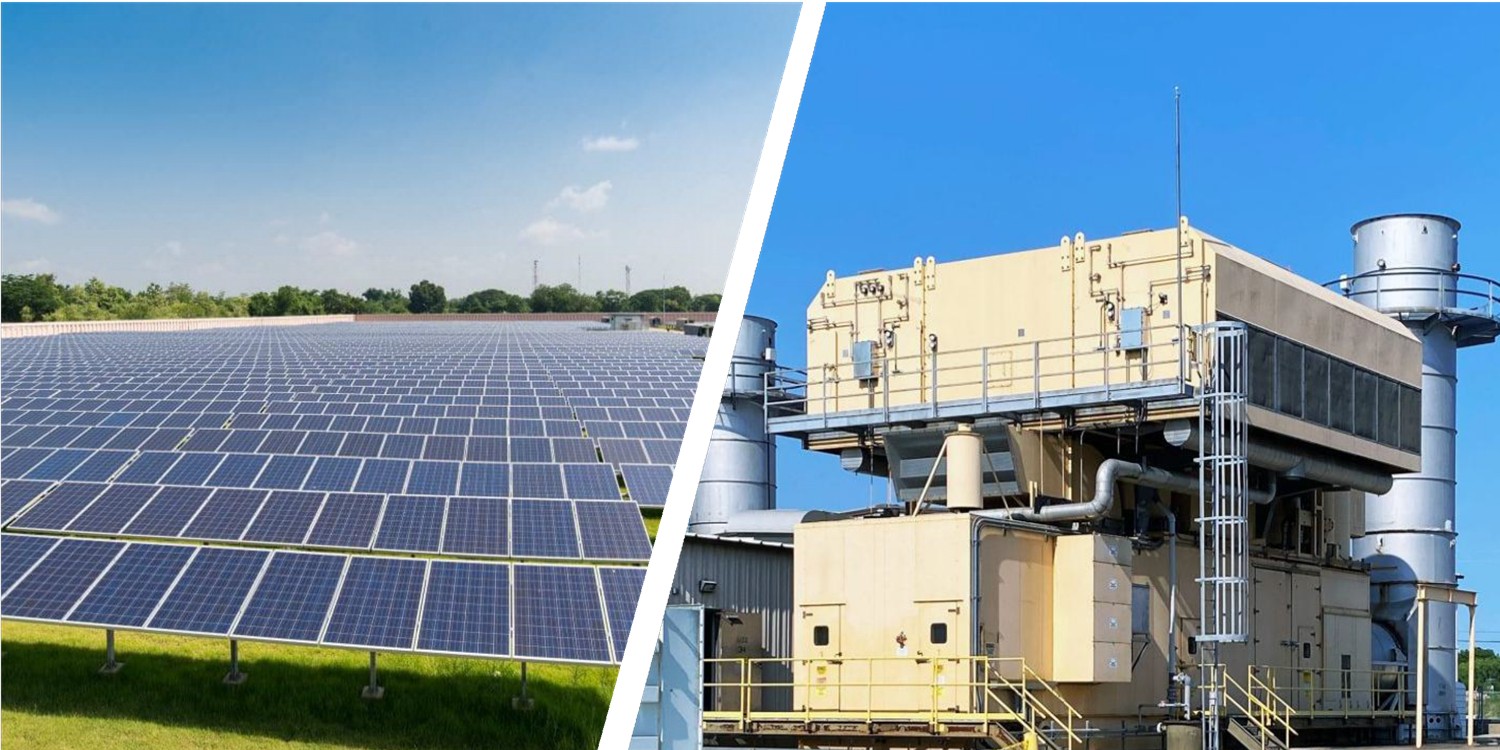
Earthrise Energy has accelerated solar deployment by leveraging an existing natural gas plant's grid infrastructure, enabling 270 megawatts of new solar capacity to reach the grid faster than typical timelines allow.
Grid connection remains a major bottleneck for renewable energy projects. Standard interconnection processes can stretch multiple years due to transmission studies, equipment upgrades, and regulatory approvals. Earthrise Energy bypassed many of these delays by repurposing an operational gas facility's existing grid connection and associated infrastructure.
The strategy works because gas plants already have established transmission lines, substations, and regulatory clearances. By converting or co-locating solar installations at these sites, developers avoid lengthy environmental reviews and grid studies required for new interconnection points. The approach essentially treats retired or underutilized gas infrastructure as an asset for rapid renewable deployment.
This 270 MW solar project demonstrates a scalable model gaining traction across the industry. Utilities and developers increasingly recognize that existing fossil fuel plants represent valuable real estate with ready-made grid access. As coal and gas retirement accelerates across North America, these facilities become prime candidates for solar, battery storage, or hybrid renewable installations.
The timing matters. Grid congestion and interconnection queues have become major constraints limiting solar expansion. Projects currently wait an average of three to five years for grid connection in some regions. Any mechanism that compresses this timeline addresses a critical infrastructure bottleneck.
Earthrise Energy's approach fits broader industry trends favoring repurposing over new development. Companies like NextEra Energy and Duke Energy have similarly converted gas plants into battery storage and solar facilities. This strategy reduces land acquisition costs, eliminates lengthy siting battles, and delivers faster renewable capacity additions.
The method does carry tradeoffs. Communities dependent on gas plant jobs may face economic challenges. Regulatory frameworks governing these conversions remain inconsistent across jurisdictions. Still, the business case