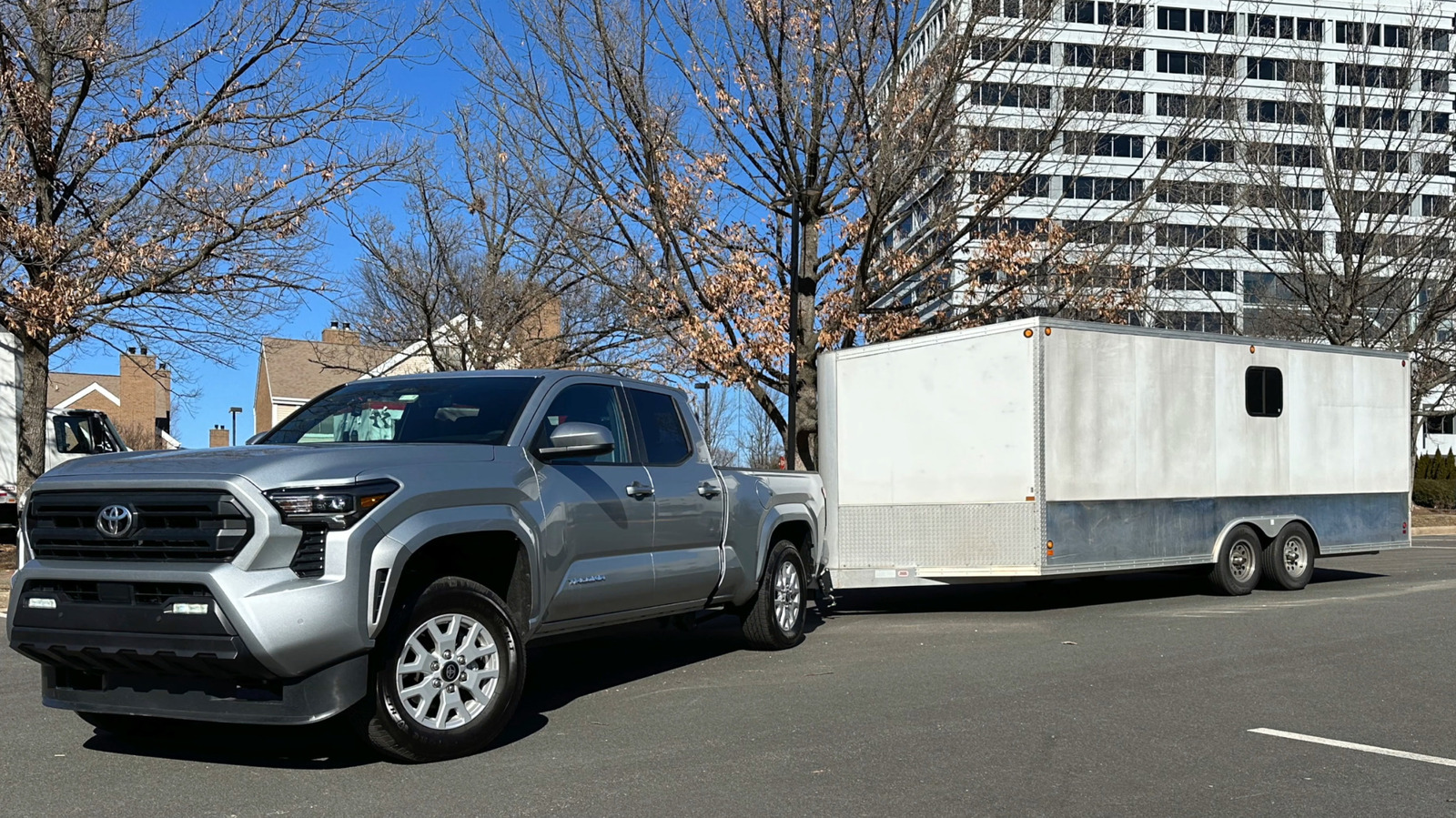
Aftermarket airbag suspension systems offer truck owners a practical solution for managing weight distribution during heavy towing. These systems use compressed air springs to adjust suspension stiffness and ride height in real time, counteracting the rear-end squat that occurs when pulling substantial loads.
Heavy towing creates several handling challenges. Traditional leaf or coil springs compress under load, lowering the rear end and shifting the truck's center of gravity. This reduces ground clearance, changes steering geometry, and can create dangerous sway. Airbag suspensions solve this by automatically maintaining ride height regardless of payload, keeping the chassis level and stable.
The benefits extend beyond safety. A level truck distributes weight more evenly across all four tires, improving traction and braking performance. Load capacity increases because the suspension handles stress more efficiently. Drivers experience less nose-up attitude when towing, reducing driver fatigue on long hauls and improving visibility.
Most aftermarket airbag kits install in the rear suspension, working alongside factory springs or replacing them entirely. Pressure adjustments can be manual or electronic, with smartphone integration available on premium systems. Installation costs typically range from $800 to $3,500 depending on the truck model and system sophistication.
Popular manufacturers including Air Lift, Firestone, and Ridetech offer bolt-on kits for full-size trucks from Ford F-150s to Ram 2500s. These systems prove particularly valuable for trucks with lower payload ratings or those frequently maxing out towing capacity.
The aftermarket suspension market continues growing as truck owners seek performance upgrades beyond factory offerings. Airbag systems represent an affordable alternative to air suspension trucks like the Ford F-250 Super Duty, delivering professional-grade handling at a fraction of the cost.
For drivers who tow regularly, airbag suspension transforms how a truck performs under load.