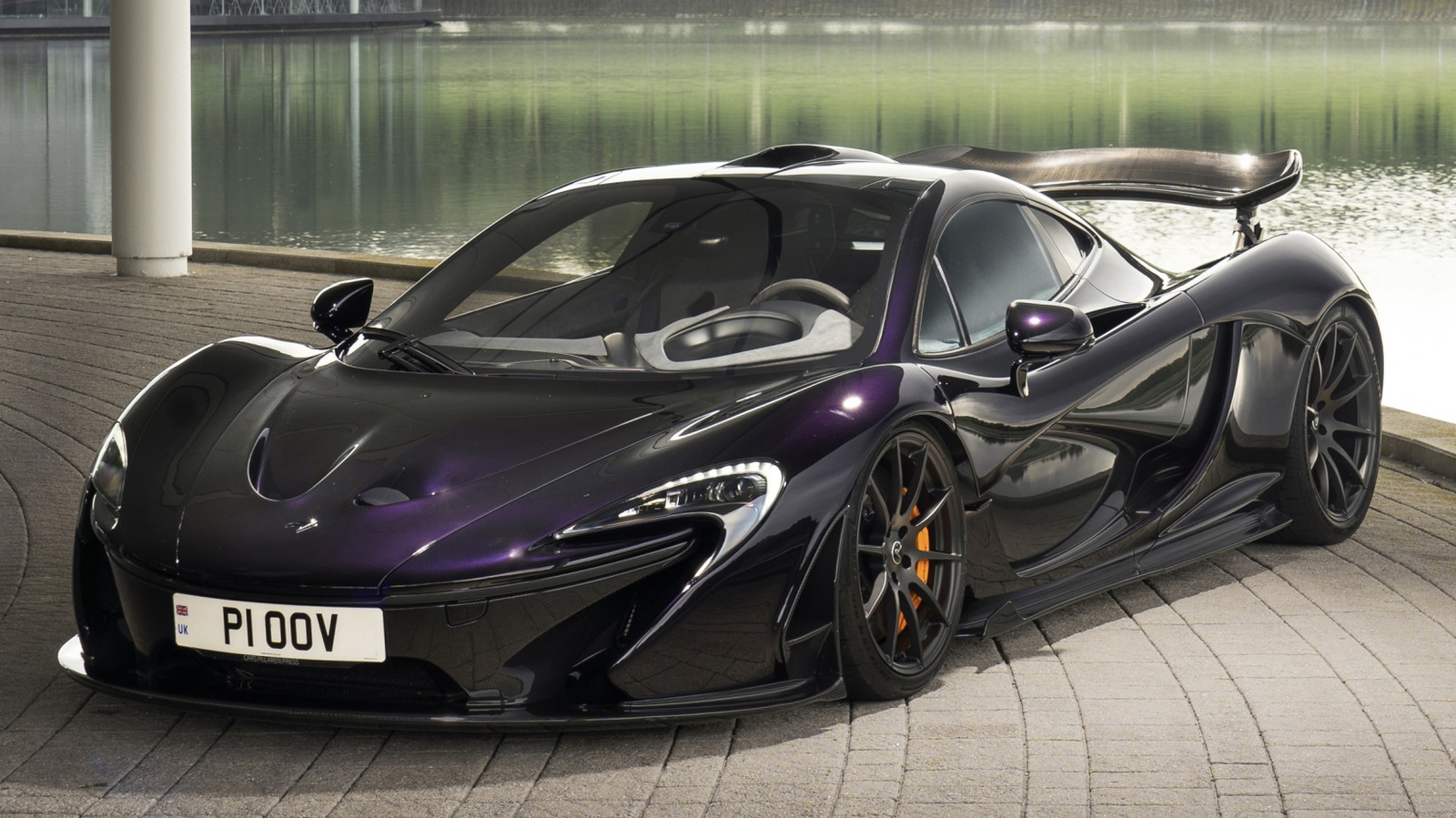
McLaren's design team drew inspiration from the sailfish, which reaches speeds of 68 mph in water, to solve aerodynamic challenges on the P1 hypercar. The sailfish's natural efficiency at high speed provided a biological blueprint for managing air turbulence around the car's body.
The P1 represents McLaren's pinnacle hybrid hypercar, combining a 3.8-liter twin-turbocharged V8 engine with electric motors for a total output of 903 horsepower. At its peak, the P1 achieves 217 mph, making aerodynamic efficiency absolutely critical to stability and performance at such velocities.
Designers examined how the sailfish's dorsal fin moves water smoothly over its body without creating destructive vortices. This biological optimization informed the P1's active aerodynamic elements, particularly the rear wing and body surfaces that manage airflow. The concept isn't entirely novel in automotive design, but McLaren applied it with precision across the hypercar's profile.
The sailfish strategy helped McLaren engineers refine how air flows around the P1's chassis, reducing turbulent drag that would otherwise destabilize the vehicle or require excessive downforce adjustments. Every adjustment matters when performance margins are measured in fractions of a second on a closed course.
The P1 launched in 2013 as direct competition to the Ferrari LaFerrari and Porsche 918 Spyder. All three hypercars pushed hybrid technology as a performance tool rather than an environmental one. McLaren sold 375 P1s before production ended in 2015, cementing its place as one of the era's most technically advanced machines.
Nature-inspired engineering remains common in high-performance automotive design. Engineers routinely study birds, fish, and insects for aerodynamic solutions. The P1 simply demonstrates how studying a creature