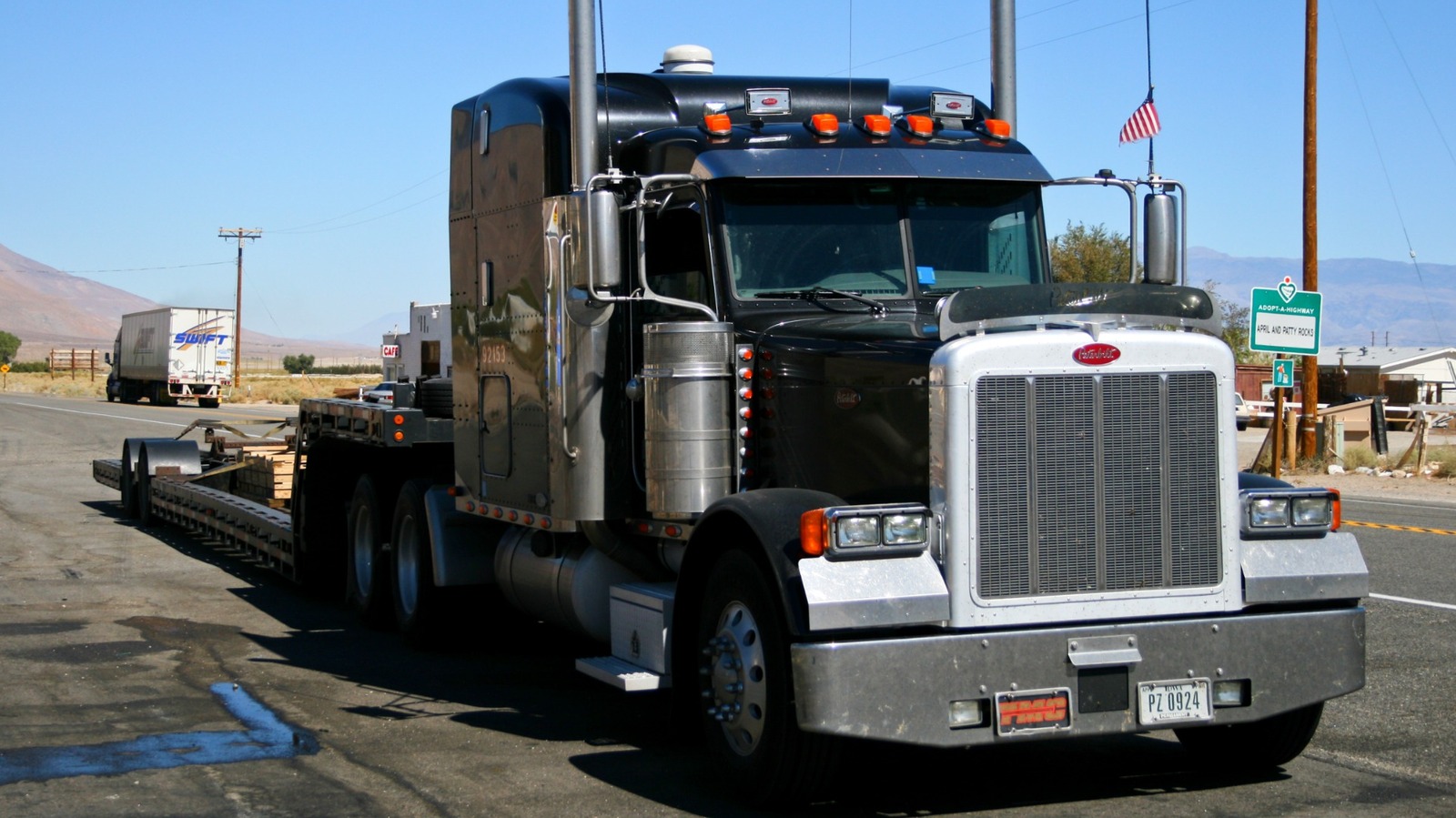
Volvo, Daimler, and Paccar dominate North American heavy-truck manufacturing, and each operates significant U.S. production facilities despite foreign ownership. Volvo Trucks runs assembly plants in Virginia and New Mexico. Daimler operates Freightliner and Western Star production in North Carolina and Oregon. Paccar builds Peterbilt and Kenworth trucks at facilities in Texas, Washington, and Mississippi.
The reality undercuts assumptions about outsourcing. American semi manufacturing remains robust, but ownership has shifted overseas. Volvo acquired Mack in 2017 and operates its assembly plant in Pennsylvania. Daimler owns Freightliner, the largest heavy-truck manufacturer in North America by volume. Paccar stands as the exception, remaining American-owned and traded on the Nasdaq.
Labor costs and supply chain proximity favor domestic production. Trucking fleets need vehicles serviced locally, and building near customers reduces shipping expenses. Engine suppliers cluster around these manufacturing hubs, creating ecosystem advantages that offshoring cannot match.
However, tariffs and trade tensions create volatility. Import duties on components affect final vehicle costs. Raw material sourcing remains globally distributed, meaning a truck labeled "Made in America" contains parts from Mexico, Europe, and Asia.
The semi truck sector reflects broader manufacturing realities. American factories still produce goods, but under multinational corporate structures. Brand heritage persists, but equity ownership tells the true story. Peterbilt and Kenworth trucks roll off American assembly lines daily, yet Paccar shareholders hold the keys. Freightliner maintains North Carolina production under Daimler's Stuttgart leadership.
Fleet buyers care less about ownership than reliability, availability, and total cost of ownership. They purchase Volvo, Daimler, and Paccar products based on performance metrics and dealer networks, not nationalist sentiment