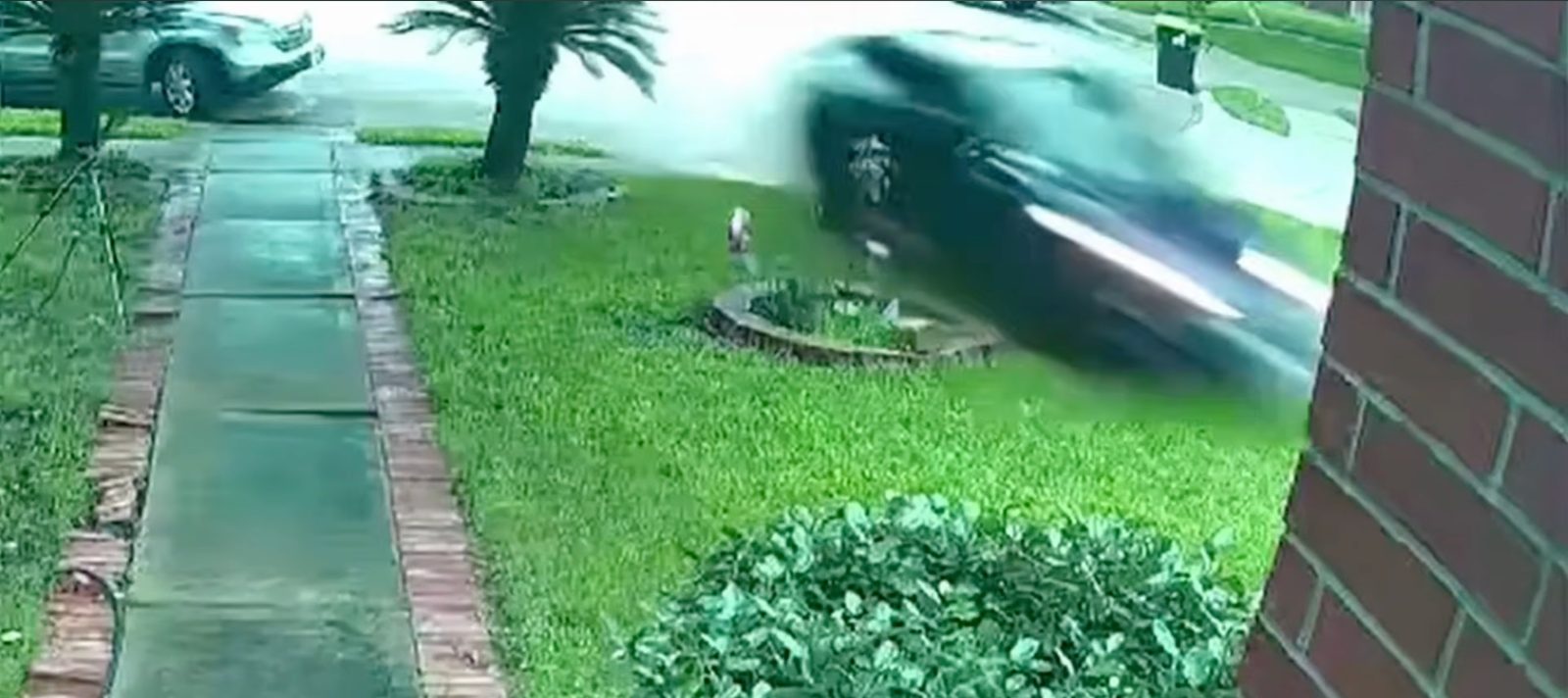
Harris County prosecutors charged a Tesla driver with manslaughter following a crash in Katy, Texas that killed a 76-year-old woman. The driver allegedly overrode Full Self-Driving and accelerated the vehicle to 73 mph in a residential cul-de-sac, causing it to crash into a home.
Court documents reveal a damning detail. In the weeks preceding the crash, the driver had searched online for complaints that FSD was "too timid." This pattern of behavior suggests the driver may have deliberately disabled safety features or pushed the autonomous system beyond its intended operating parameters.
The crash highlights an ongoing tension in the autonomous driving space. Drivers sometimes grow impatient with conservative behavior from automation systems, then take active steps to circumvent them. Tesla's Full Self-Driving beta operates in real-world environments with varying levels of driver supervision and override capability. When drivers disable those guardrails or force manual control in scenarios where the system is active, the liability and safety implications become murky.
This case differs from typical autopilot accidents where drivers simply fall asleep or lose attention. Here, prosecutors allege intentional recklessness coupled with pre-crash behavior suggesting dissatisfaction with FSD's caution levels. The manslaughter charge targets criminal negligence rather than simple operator inattention.
Tesla faces mounting legal pressure over FSD safety claims and limitations. The National Highway Traffic Safety Administration has investigated multiple crashes involving Tesla's driver assistance systems. California's Department of Motor Vehicles has challenged Tesla's marketing of Full Self-Driving and Autopilot, arguing the company overstates capabilities.
The Katy case underscores a critical reality for autonomous vehicle deployment. Consumer frustration with perceived overcaution can drive dangerous behavior. Even as autonomous systems improve, enforcement mechanisms and driver accountability remain essential. Tesla's ability to push features through over-the-air