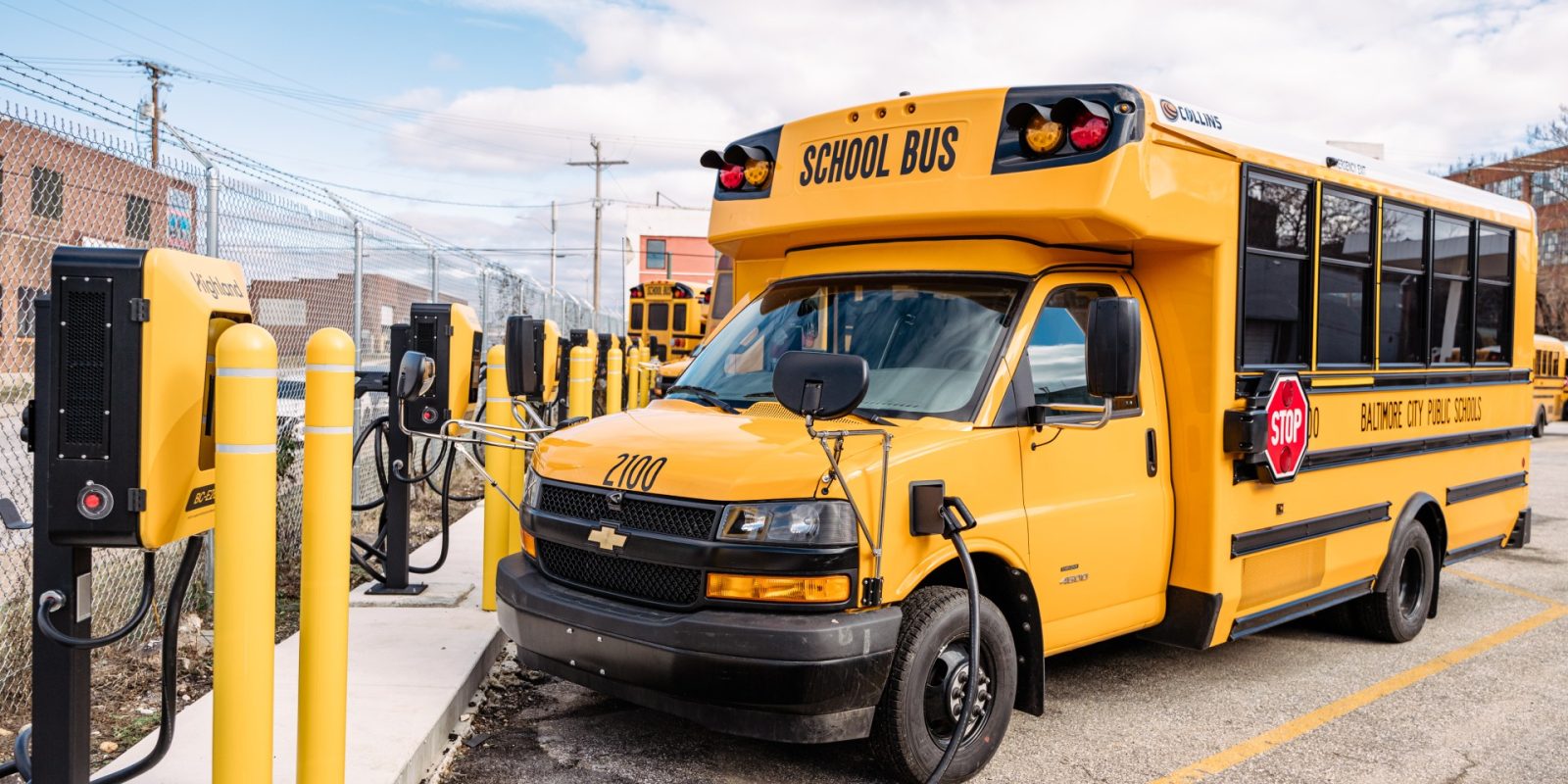
During last week's heat wave, electric vehicles proved their worth to the power grid. As temperatures soared and demand for air conditioning spiked, utilities faced potential blackouts. Critics had long warned that mass EV adoption would overwhelm strained infrastructure. Instead, the opposite occurred.
EVs equipped with vehicle-to-grid (V2G) technology discharged stored battery power back into the electrical system during peak demand hours. This capability allowed utilities to tap millions of kilowatt-hours of distributed energy storage parked in driveways and charging stations across affected regions. The effect was immediate and measurable. Grid operators avoided rolling blackouts that would have affected millions of households.
This outcome reflects a fundamental shift in how the industry views EV batteries. Rather than one-directional consumers of electricity, modern EVs function as mobile power plants. When plugged in during off-peak hours, they absorb cheap, abundant power. During crises like extreme heat events, they discharge that energy back when utilities need it most. Utilities save money. Drivers earn credits on their electricity bills.
The infrastructure supporting this remains limited. Most existing EVs and chargers lack V2G capability. Nissan Leaf owners have used bidirectional chargers for years. Ford F-150 Lightning and Hyundai Ioniq 5 models now offer the feature. Tesla has been slower to implement V2G, though the company has discussed future possibilities.
Last week's event validates arguments made by grid operators and EV advocates for years. As EV penetration climbs toward 20 percent of new vehicle sales in 2025, the grid's ability to leverage battery storage becomes increasingly valuable. Utilities in California, Texas, and the Northeast have already begun pilot programs offering financial incentives for V2G participation.
The heat wave demonstrated that the infrastructure challenge is not whether EVs will break the grid.