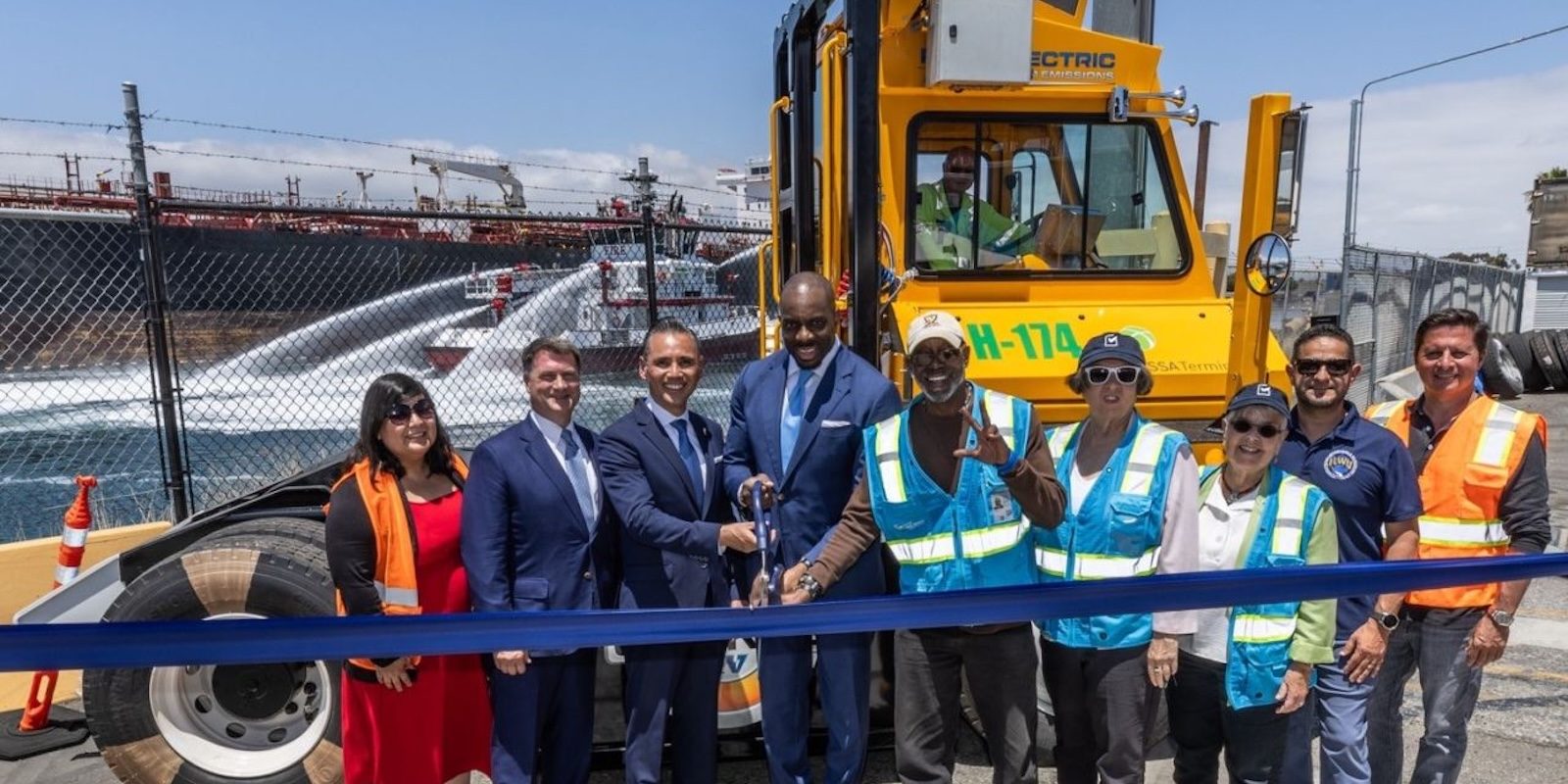
California awarded a record $383 million grant from its Port and Freight Infrastructure Program to the Port of Long Beach, targeting the creation of 22,000 clean jobs while reducing emissions from port and freight operations. The funding represents the largest single PFIP allocation to date.
Long Beach moves roughly 14 million containers annually, making it one of the nation's largest container ports. The grant supports infrastructure upgrades aimed at electrifying cargo handling equipment, modernizing dock facilities, and transitioning the supply chain toward zero-emission operations. These investments directly address diesel emissions from port vehicles, cargo handlers, and trucking operations that service the facility.
The clean jobs commitment spans equipment technicians, electrical specialists, infrastructure workers, and supply chain professionals. California's aggressive timeline for port decarbonization requires widespread equipment replacement and workforce training. The Port of Long Beach has already deployed electric cargo cranes and container handlers, but scaling these operations across the entire facility demands capital investment and technical expertise.
Industry dynamics favor this spending. Shippers increasingly face customer pressure to demonstrate lower-carbon logistics. Regulation strengthens too. California's Advanced Clean Trucks rule mandates zero-emission heavy-duty vehicles in certain applications by 2030, creating demand for cleaner port infrastructure. Ports that invest early gain competitive advantage in attracting environmentally conscious freight operators.
The timing matters for automotive and logistics networks. Battery electric trucks, hydrogen fuel cells, and zero-emission equipment remain expensive, but declining battery costs make the economics workable over vehicle lifespans. Long Beach competes with ports in Oakland, Houston, and Singapore for cargo volume. Investing in cleaner infrastructure becomes a strategic advantage.
Long Beach's grant also signals how federal and state dollars flow into automotive supply chain transformation. While consumer EV adoption gets headlines, port electrification quietly reshapes how goods move across America. The 22,000 jobs underpin broader employment