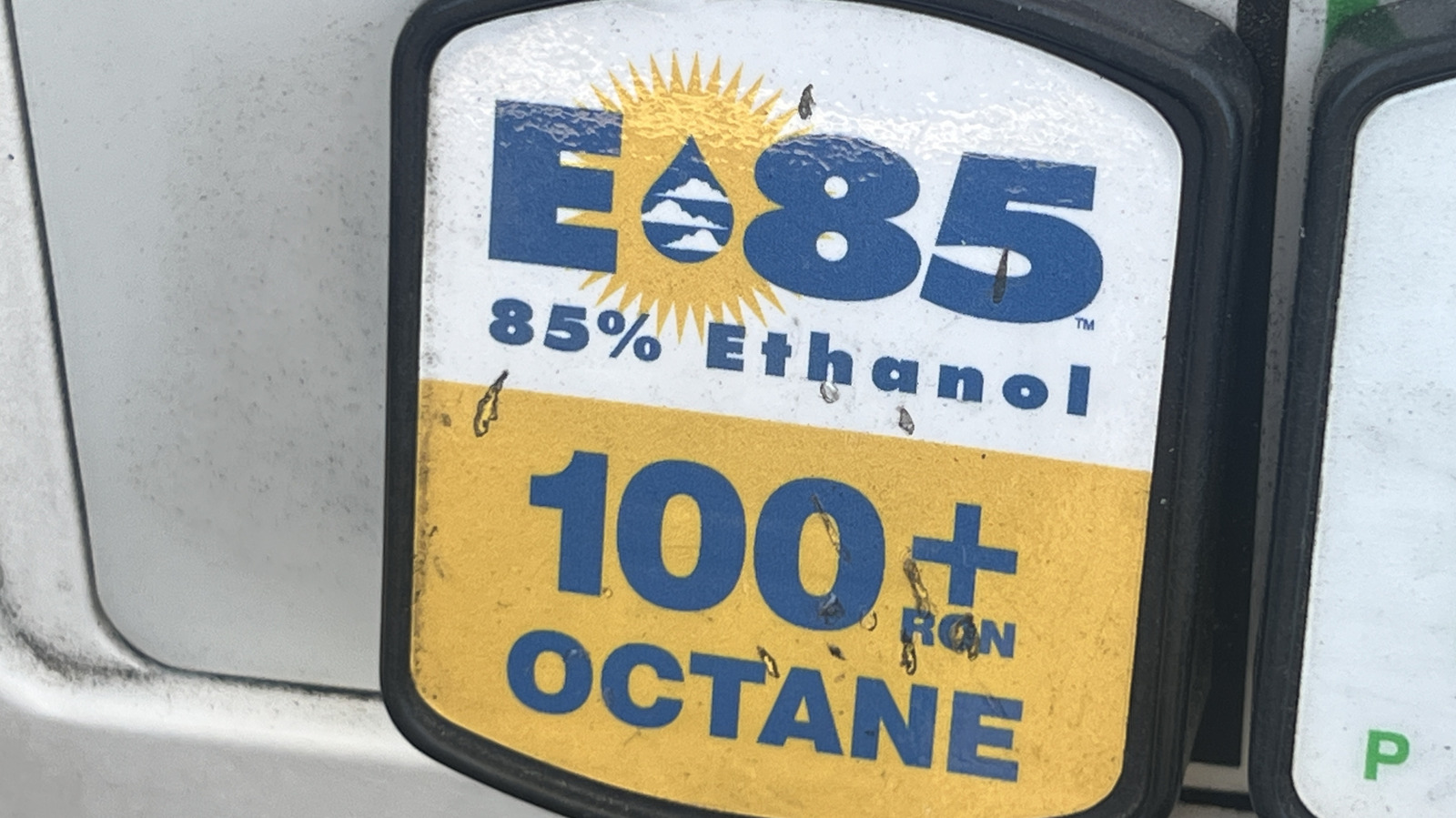
Converting a standard gasoline vehicle to flex-fuel capability requires mechanical expertise and careful planning. E85 ethanol fuel costs substantially less than regular gasoline at the pump, making the conversion financially attractive for high-mileage drivers.
The conversion process involves installing a flex-fuel kit that allows your engine to run on any blend of ethanol and gasoline, from pure E85 to standard 87-octane fuel. The core components include a new fuel pump, fuel injectors calibrated for ethanol compatibility, and a vehicle control module reprogrammed to adjust fuel delivery and ignition timing based on the fuel mixture detected.
Not all vehicles qualify for conversion. Your car's fuel system materials must resist ethanol's corrosive properties. Older models with rubber fuel lines and certain engine seals face compatibility issues. Newer vehicles with stainless steel fuel systems handle E85 better, though conversions still carry risks.
The financial math looks promising initially. E85 typically costs 30 to 50 cents per gallon less than regular gas. However, E85 contains roughly 27 percent less energy than gasoline, so fuel economy drops by 25 to 30 percent. A vehicle achieving 25 mpg on gasoline might only manage 17 to 19 mpg on E85. Running the numbers reveals that per-mile fuel costs often remain comparable or sometimes favor traditional gasoline.
Professional conversion shops handle the installation, with costs ranging from $1,500 to $3,500 depending on vehicle complexity. DIY kits exist but require advanced mechanical skill and proper tuning equipment.
The environmental argument supports E85 adoption. Ethanol derived from corn reduces lifecycle carbon emissions compared to petroleum. However, widespread agricultural practices for ethanol production carry their own environmental considerations.
Before converting, verify E85 station availability in your area. Rural regions