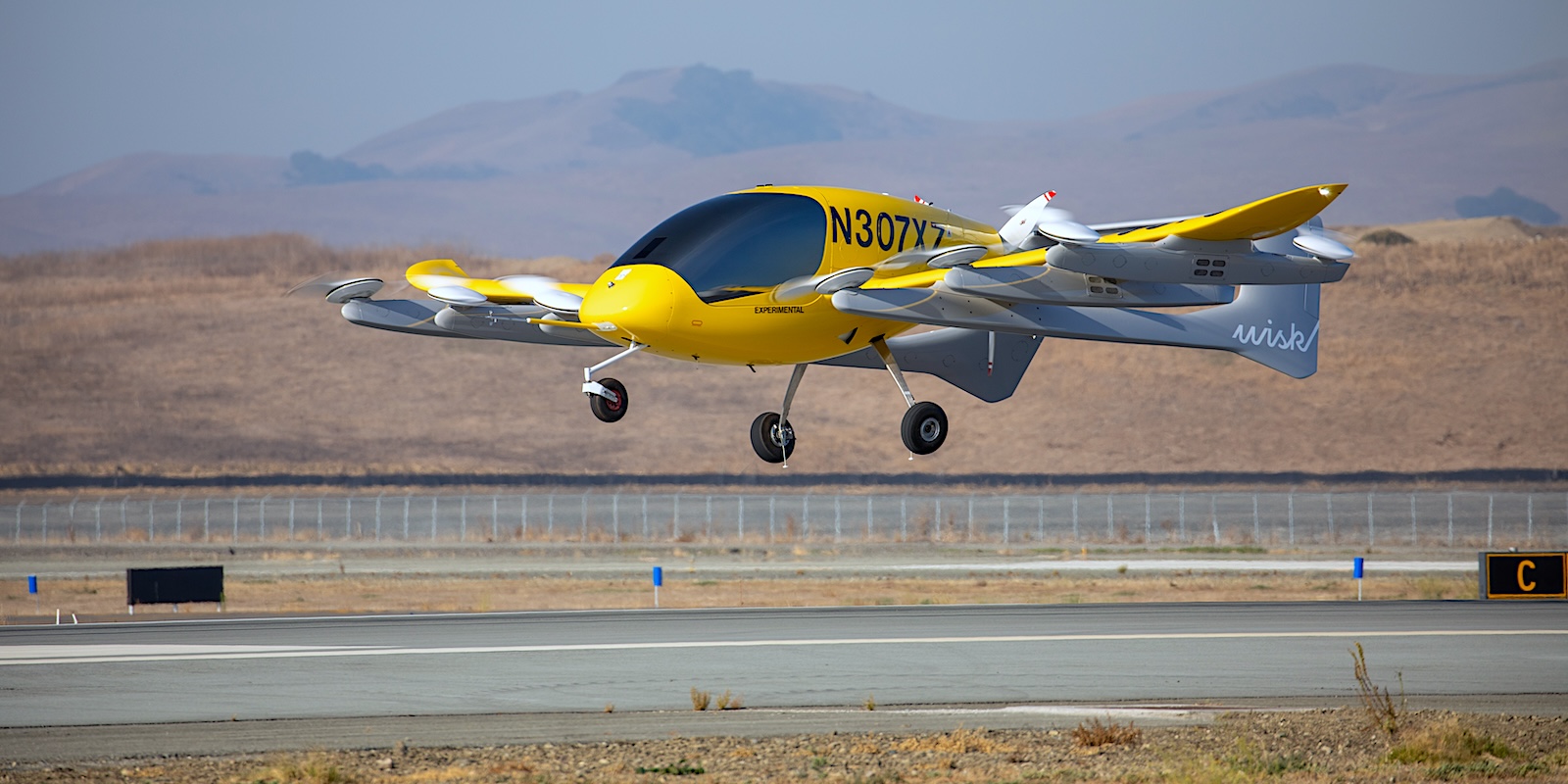
Boeing-backed Wisk Aero faces a lawsuit from a former employee alleging the eVTOL maker rushed software testing for its autonomous air taxi platform. The employee claims they were terminated after reporting that the aircraft's software failed to meet fundamental aviation testing standards required by regulators.
The lawsuit strikes at the heart of the eVTOL industry's push toward certification. Autonomous flight demands bulletproof software validation. Federal Aviation Administration protocols for aviation software are strict, covering everything from failure mode analysis to redundancy testing. Shortcuts in this area expose both passengers and regulators to unacceptable risk.
Wisk, which operates with backing from Boeing and Canada's Harbour Air, targets certification for its all-electric, battery-powered air taxi. The company has been working toward FAA approval under Special Conditions, a regulatory pathway for novel aircraft. That path depends entirely on proving that autonomy systems work reliably in real-world conditions.
This allegation matters because it touches on a recurring pressure in the aerospace startup world. Getting to market first carries enormous competitive value. The eVTOL sector is crowded. Joby Aviation, Archer Aviation, and others are also pursuing certification. But racing toward certification while cutting corners on software validation creates liability for the manufacturer and real danger for future passengers.
The employee's claim that testing standards were not met raises questions about Wisk's internal engineering culture and whether Boeing's involvement provided adequate oversight. Boeing's own recent quality and safety issues make this connection uncomfortable but relevant.
If the lawsuit's allegations hold weight, regulators may scrutinize Wisk's certification application more carefully. The FAA has shown willingness to slow or reject programs with credible safety concerns. For investors and aerospace manufacturers betting on eVTOL networks becoming routine in urban areas within five years, software integrity represents the non-negotiable foundation.
The outcome here