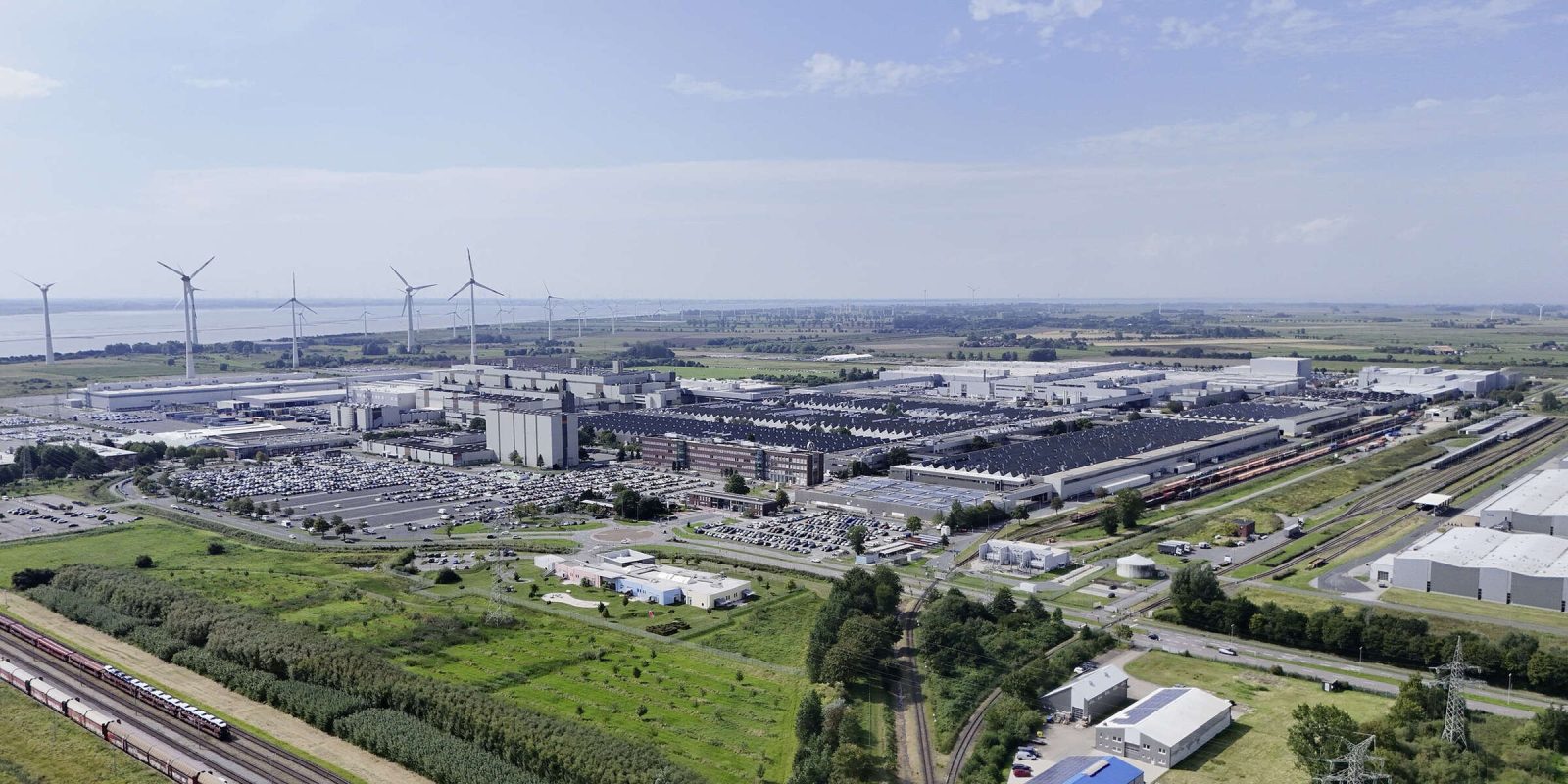
Volkswagen Chief Executive Officer Oliver Blume is preparing the most sweeping restructuring in the company's 86-year history. The plan targets the elimination of up to 100,000 jobs globally and the closure of four German factories, marking a radical departure from VW's traditional manufacturing footprint.
The automaker faces mounting pressure from declining sales in core European markets, intensifying competition from Chinese EV makers, and slowing demand for electric vehicles in key regions. VW's German operations have grown bloated relative to production demand, forcing leadership to confront structural overcapacity that no amount of incremental cost-cutting can remedy.
Factory closures would concentrate production at fewer, modernized facilities. The company likely plans to consolidate manufacturing around its most efficient plants while shifting resources toward battery production and software development. Germany's strong labor protections mean plant closures trigger expensive severance negotiations, explaining why closure announcements come rarely and only when financial pressure becomes undeniable.
The 100,000 job reduction dwarfs previous restructuring efforts. For context, VW employed roughly 640,000 people globally as of 2024, meaning this plan cuts roughly 15.6 percent of the workforce. Most reductions would target administrative roles and redundant factory positions rather than lean assembly lines, but the scale remains staggering for a company deeply embedded in German industrial identity.
Blume's timing reflects VW's weak EV transition execution. While Tesla, BYD, and emerging Chinese competitors gained market share, Volkswagen delayed platform consolidation and overestimated near-term EV demand. The ID.Buzz and ID.7 showed promise, but volume sales disappointed relative to projections.
German operations carry the heaviest burden because wage costs exceed those of VW's factories in Poland, Slovakia, and Mexico. Closing German plants triggers union resistance and political controversy,