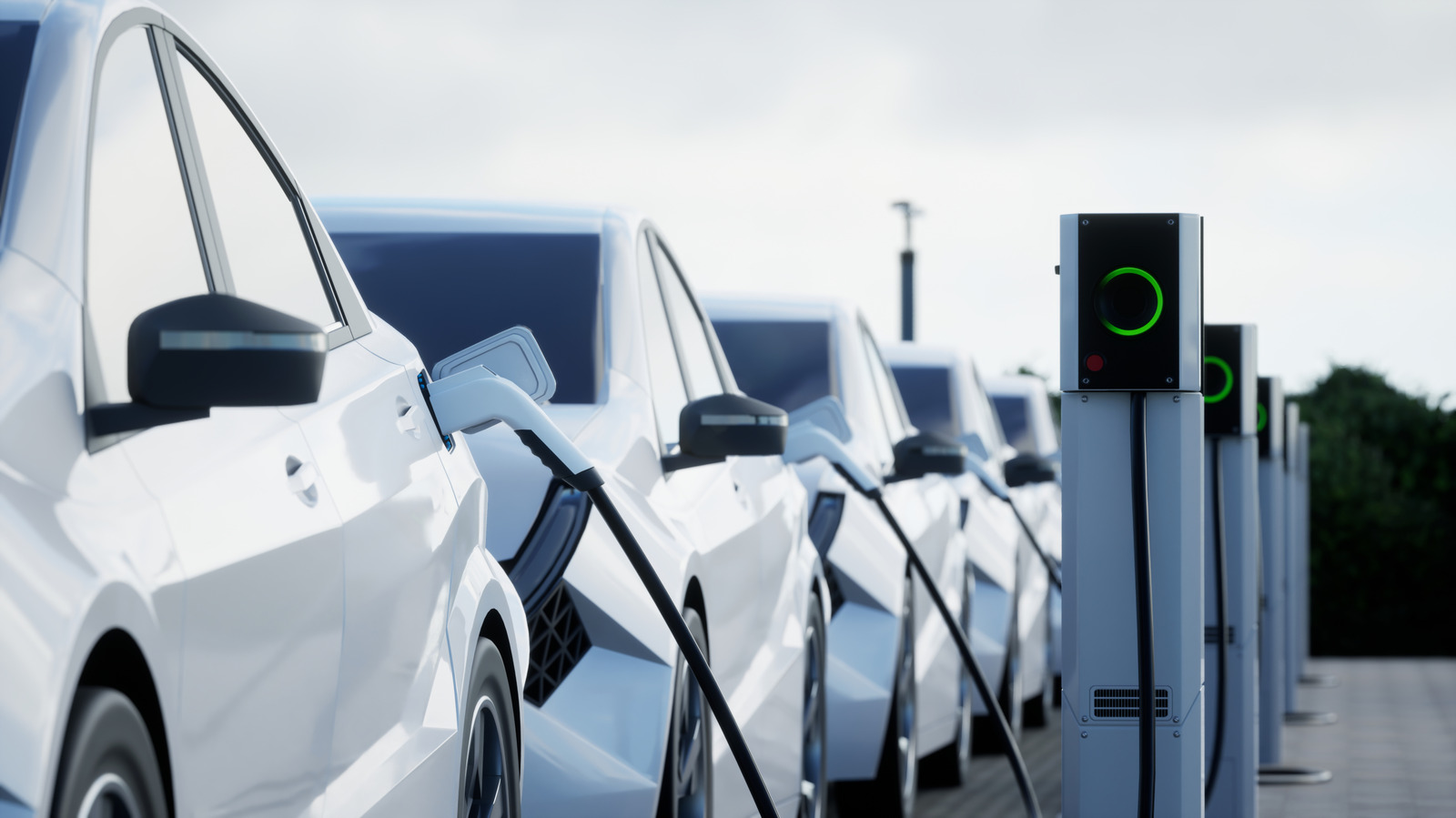
MPG-e stands for "miles per gallon equivalent," a standardized measure of energy efficiency for electric vehicles established by the EPA. The metric translates an EV's energy consumption into a gasoline equivalent so consumers can directly compare electric cars to traditional gas-powered vehicles on familiar terms.
The EPA defines one gallon of gasoline equivalent as 33.7 kilowatt-hours of electrical energy. This conversion reflects the average energy content found in a gallon of conventional gasoline. When an EV travels, say, 120 miles on 40 kilowatt-hours of electricity, the EPA calculates that as roughly 2.8 gallons equivalent, yielding an MPG-e rating of around 43.
The methodology accounts for real-world charging losses. Battery charging efficiency typically ranges from 85 to 90 percent, meaning some energy dissipates as heat during the transfer from grid to battery pack. The EPA factors these losses into MPG-e calculations to provide realistic numbers that match actual vehicle performance on public roads.
MPG-e simplifies comparisons across vehicle types. A Tesla Model 3 Standard Range achieves approximately 130 MPG-e, while a Toyota Corolla registers around 32 mpg city and highway combined. The Model 3's rating instantly communicates superior efficiency without requiring consumers to understand kilowatt-hour consumption rates or grid-to-wheel energy transfer.
Different EVs produce wildly different MPG-e ratings based on size, weight, and aerodynamics. Smaller vehicles like the Hyundai Ioniq Electric achieve ratings above 130 MPG-e. Larger SUVs like the Rivian R1T manage around 70 MPG-e despite tremendous capability. This variation mirrors traditional vehicle efficiency: compact cars outrun SUVs on miles per gallon.