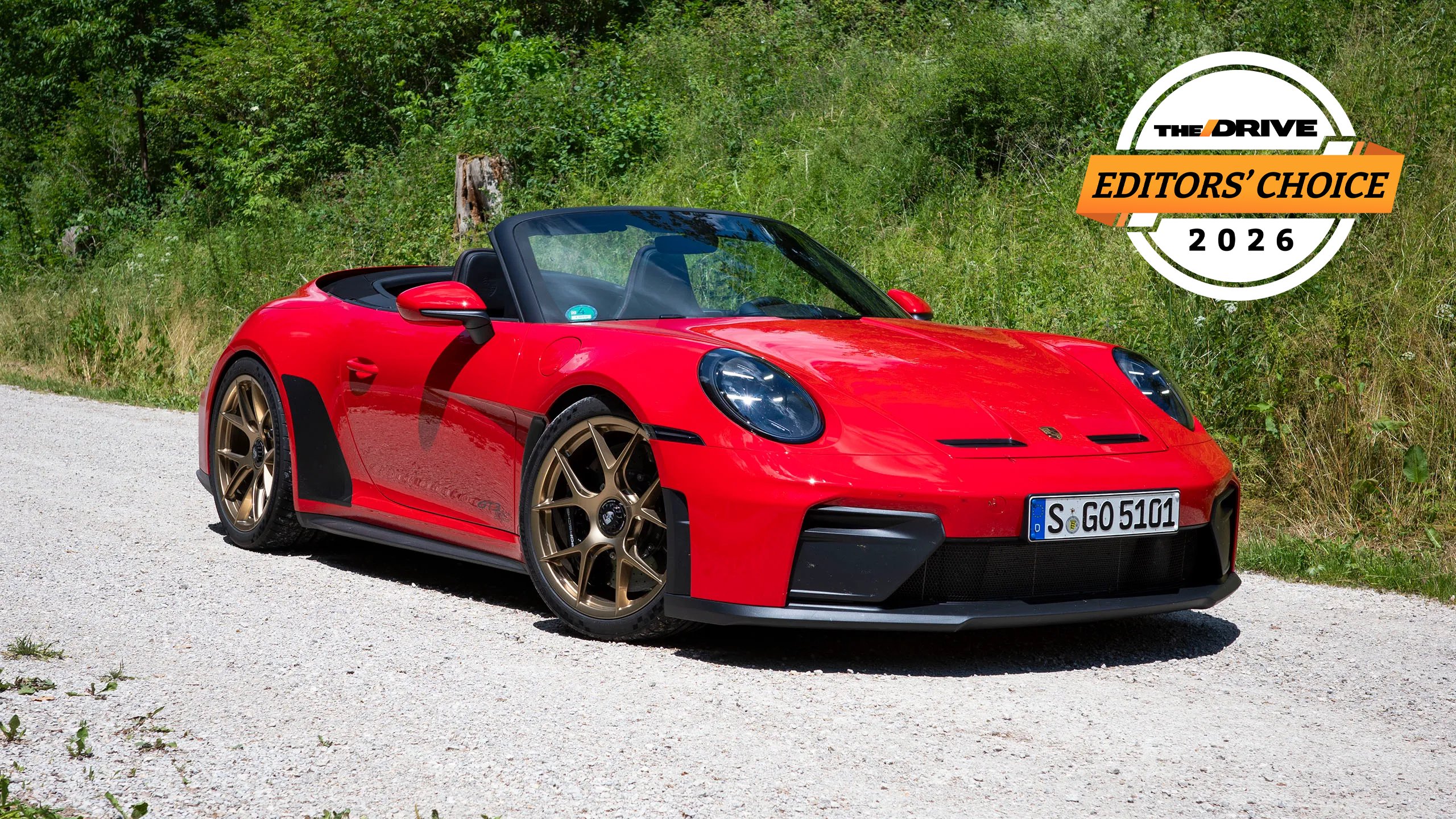
Porsche has introduced the 2027 911 GT3 S/C, a model that combines the raw mechanical engagement of the standard GT3 with an open-air driving experience. The designation "S/C" indicates a Speedster/Cabriolet configuration, removing the roof while retaining the track-focused performance credentials that define the GT3 lineage.
The 2027 GT3 S/C pairs the familiar 4.0-liter flat-six engine and manual transmission found in the hardtop GT3 with a removable or convertible top design. This architecture preserves the car's steering precision, brake feel, and chassis dynamics. Porsche engineered the convertible structure to maintain structural rigidity comparable to the coupe, a critical consideration for a performance variant.
The open-top execution addresses a persistent tension in Porsche's lineup. Enthusiasts frequently choose 911 Carrera cabriolets for the sensory experience, yet lose the GT3's surgical steering and response. The 911 GT3 S/C reverses that equation, offering the mechanical purity of the track-focused variant without sacrificing convertible enjoyment.
Context matters here. Porsche has historically avoided convertible GT3 models, prioritizing the hardtop's structural benefits for circuit work. The 2027 model represents a shift toward lifestyle flexibility without performance compromise. Buyers willing to spend GT3 money, roughly $150,000 plus options, now access the same mechanical excellence in a format that delivers wind-in-hair thrills.
Competitors remain limited. Ferrari's F8 Tributo Spider and Lamborghini's Revuelto Roadster target similar buyers but lack the 911 GT3's engineering obsession. BMW M's lineup lacks a direct counterpart. This positions the