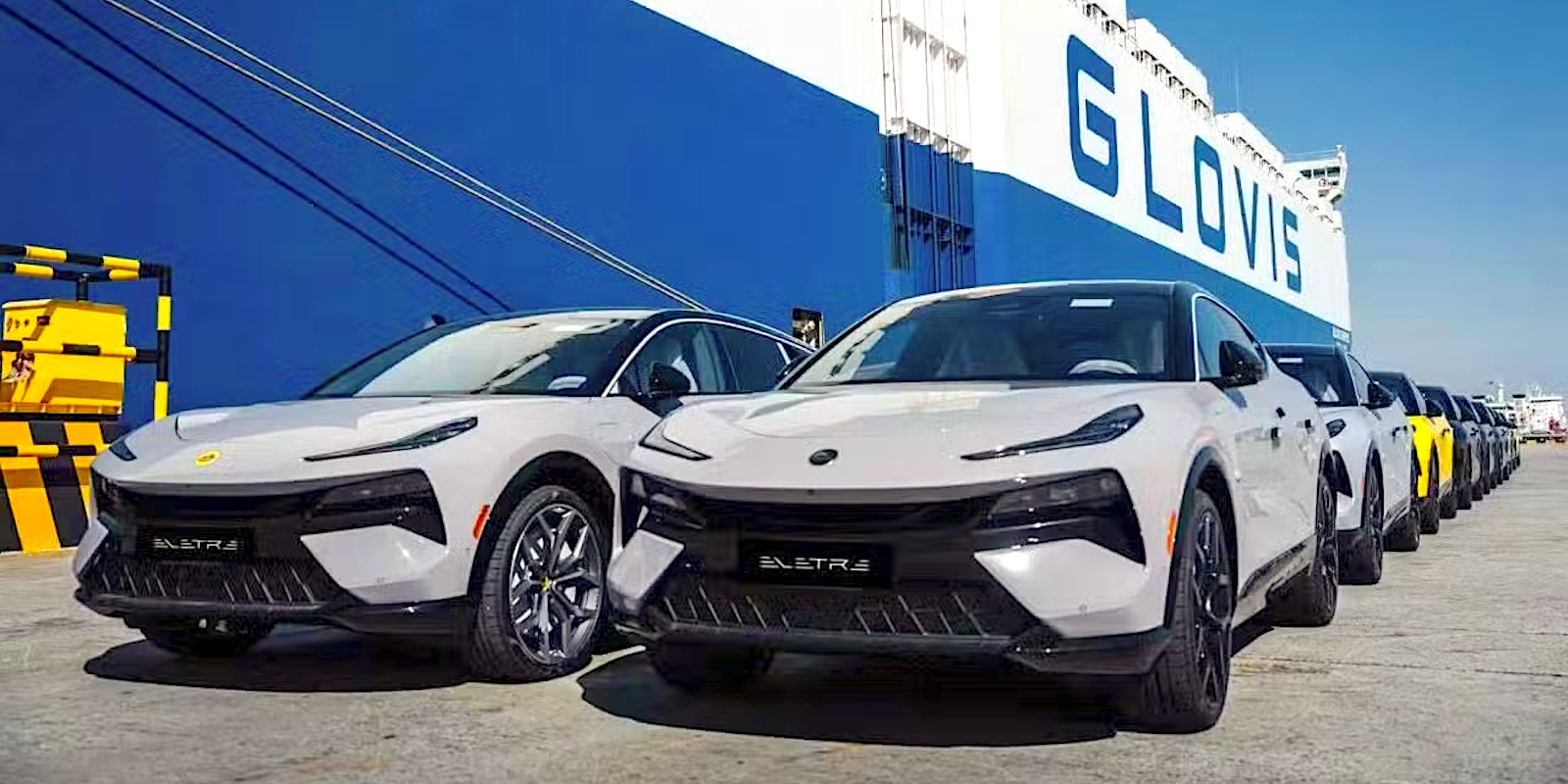
Canada is importing Lotus Eletre electric vehicles through a novel trade arrangement. Prime Minister Mark Carney and Chinese President Xi Jinping brokered a canola-for-cars agreement that allows Canadian agricultural exports to offset vehicle purchases. A shipment of the sporty Lotus Eletre EVs arrives in Montreal this month as the first phase of the deal.
The Eletre represents Lotus's entry into the premium EV crossover segment. The vehicle delivers around 500 horsepower in top configurations with an estimated 300-mile range, positioning it against Tesla Model Y Performance and BMW iX xDrive50 competitors. Lotus engineered the Eletre for performance-oriented buyers seeking an alternative to traditional luxury brands.
This canola-for-cars arrangement reflects shifting geopolitical trade dynamics. Rather than direct currency transactions, Canada leverages its agricultural commodity strength—canola oil is a major export—to acquire Chinese-manufactured EVs. Geely-owned Lotus benefits from accelerated market access in North America without traditional tariff barriers. Canada gains EV inventory and consumer choice as it transitions away from internal combustion vehicles.
The timing aligns with Canada's net-zero commitments and EV adoption targets. The country has mandated that new passenger vehicle sales be zero-emission by 2035. Expanding EV model variety through creative trade partnerships addresses supply constraints that domestic automakers like General Motors Canada and Ford Canada face.
Chinese EV makers have aggressively pursued North American expansion. Lotus joins BYD, NIO, and XPeng in seeking footholds beyond Asia. Traditional tariff structures and protectionist policies complicate direct entry, making bilateral trade arrangements an attractive alternative.
The canola swap demonstrates how automakers navigate regulatory complexity. Rather than competing solely on vehicle merit, manufacturers now engage in macroeconomic partnerships. This approach byp