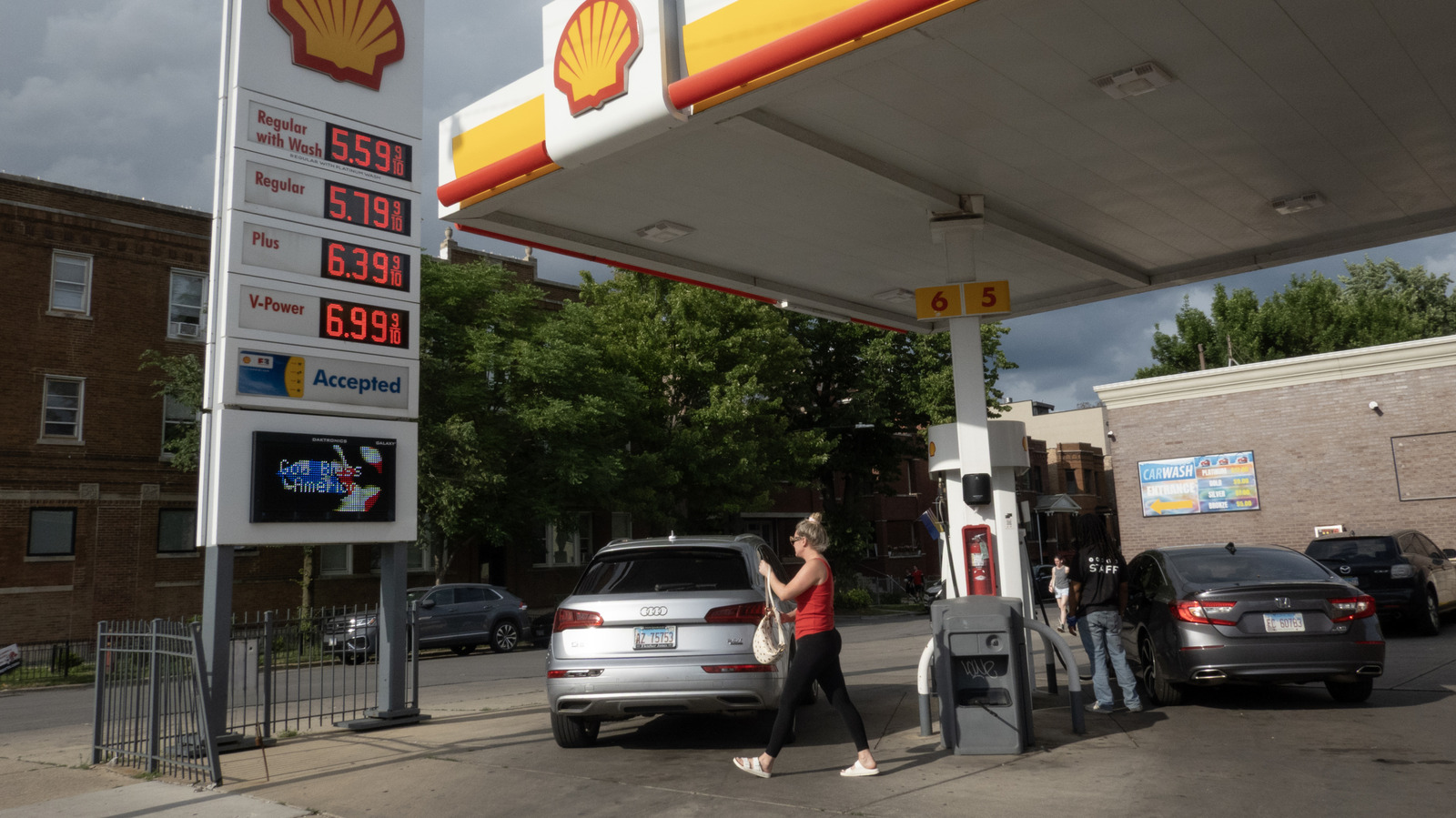
Premium fuel prices have climbed to $4.67 per gallon on average, pushing cost-conscious drivers to abandon manufacturer recommendations and downgrade to regular unleaded at $3.79 per gallon. Mid-grade sits at $4.29, creating a 88-cent spread between regular and premium that drivers increasingly refuse to absorb.
This trend reflects a fundamental shift in consumer behavior. Drivers weigh fuel economy gains and performance benefits against the premium price premium, and for many, the math no longer works. A tank that costs $15 to $20 more with premium fuel adds up fast, especially among owners of vehicles with substantial fuel tanks.
The real risk lies in engine knock and deposit buildup. Engines designed for premium fuel run lower compression ratios that exploit octane's anti-knock properties. Running regular gas in a premium-only engine creates potential for detonation, which damages pistons and valves over time. Manufacturers design their fuel economy ratings around premium fuel, too, so drivers fueling with regular sacrifice the efficiency numbers they bought the car for.
Luxury brands and performance nameplates face the biggest exposure here. Owners of BMW M models, Mercedes-AMG variants, and high-output Cadillacs and Infinitis typically received explicit premium-fuel requirements. But even some mainstream vehicles with turbocharged engines specify premium, and drivers increasingly ignore those placard warnings.
Automakers optimized modern engines for premium fuel's higher octane rating to maximize power and efficiency without adding cost or weight. When drivers systematically choose cheaper fuel, manufacturers lose the efficiency gains they engineered into the product. Over a fleet, this creates actual fuel economy regression.
For now, the industry watches. Some manufacturers built knock sensors into premium-recommended engines to retard timing when fuel quality drops, softening the blow. Others did not. As premium prices persist at these levels,