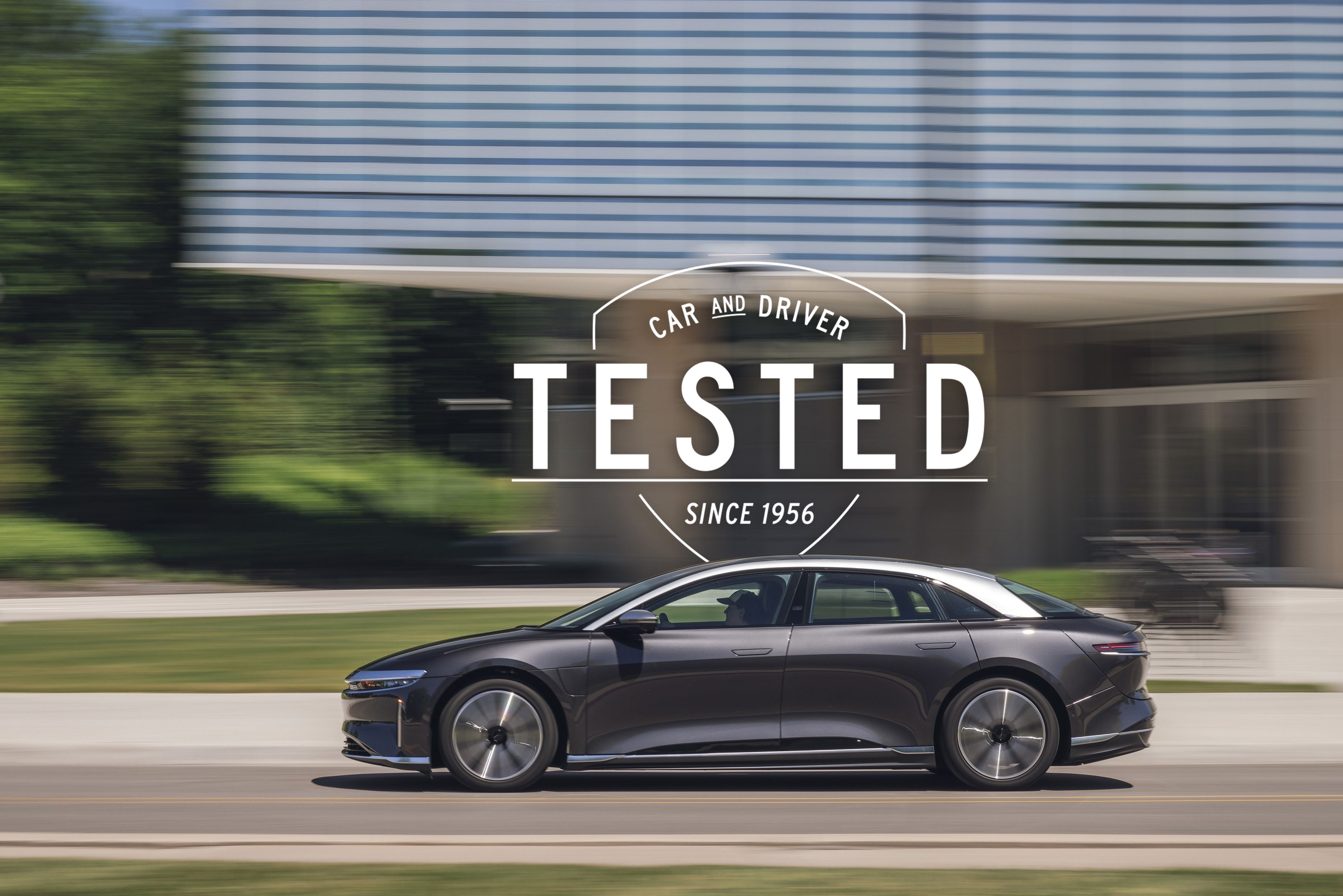
Car and Driver has identified the longest-range battery-electric vehicles it has tested, establishing benchmarks for real-world EV endurance beyond manufacturer claims. The publication's testing methodology focuses on actual driving performance rather than relying solely on EPA estimates, which often overstate achievable range in typical conditions.
Top performers in Car and Driver's testing include models like the Mercedes EQS, BMW iX xDrive50, and Tesla Model S Long Range, which have demonstrated ranges exceeding 300 miles on full charges under controlled testing protocols. The Mercedes EQS 580 particularly impressed testers, delivering range figures that approached or matched its EPA rating of 350 miles, a rarity in automotive testing where real-world results typically fall 10 to 20 percent short of official estimates.
Battery capacity and efficiency determine these results. The larger battery packs in premium sedans, typically 100 kWh or more, paired with aerodynamic designs and weight optimization, produce the longest distances. The Tesla Model S Long Range achieves approximately 350 miles, while the BMW iX xDrive50 reaches around 330 miles despite its heavier SUV platform.
Several factors influenced range performance in testing. Highway driving at steady speeds of 55 to 75 mph proved more efficient than city driving. Cold temperatures reduced range by 15 to 25 percent across all vehicles tested. Tire pressure, wind conditions, and driving style created variations even within the same model.
The industry trend toward larger battery packs reflects consumer demand for reduced charging anxiety. Vehicles with 300-plus-mile ranges appeal to buyers considering long road trips. However, actual highway performance remains critical. Most testers found that highway driving at 70 mph reduced range by roughly 20 to 30 percent compared to EPA city ratings.
EV buyers should recognize that manufacturer range claims represent