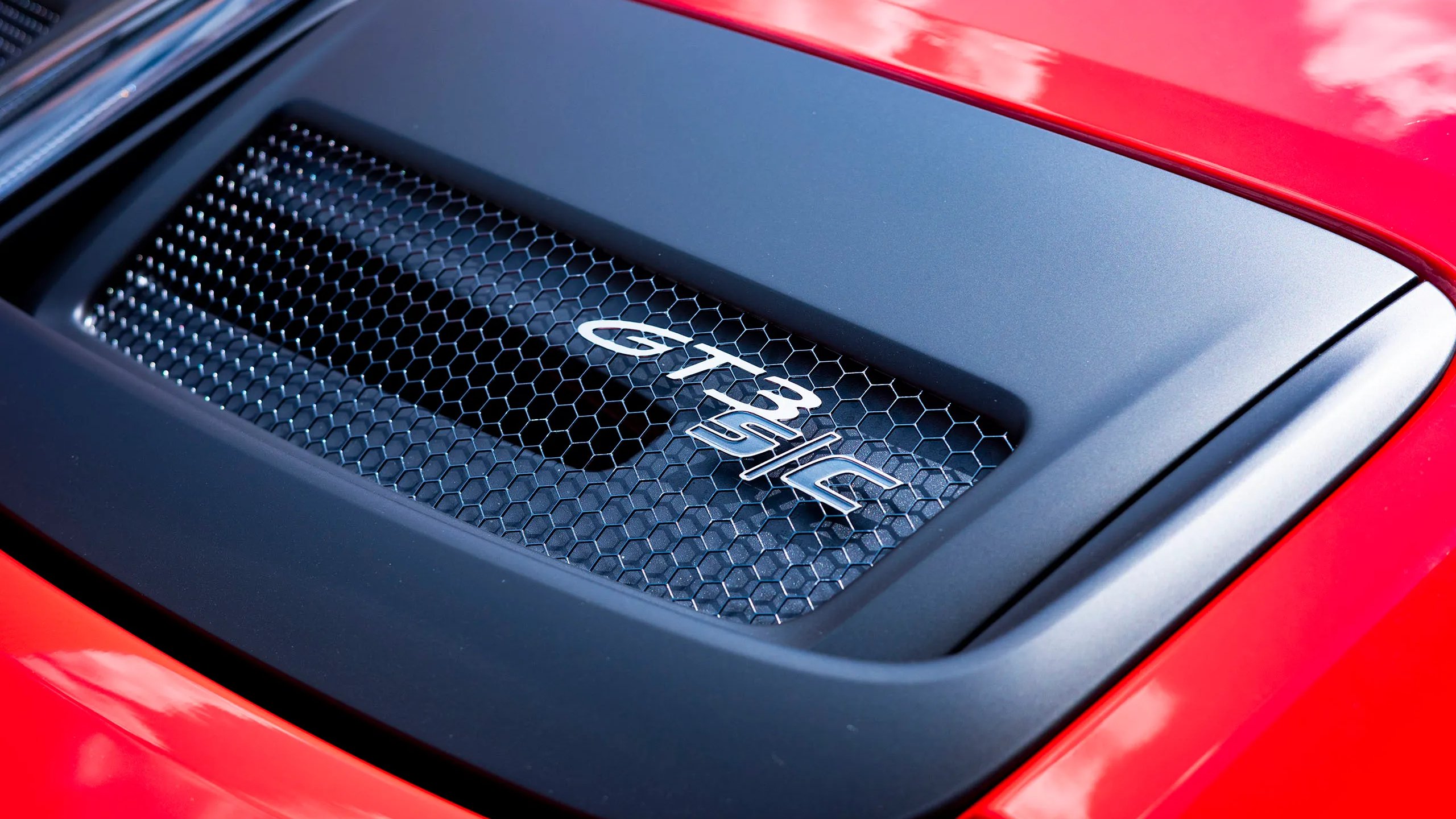
Porsche has fundamentally redefined what GT3 means. The new 911 GT3 S/C, a roof-optional convertible variant, marks the most dramatic departure yet from the track-focused lineage that once defined the badge.
Historically, GT3 represented Porsche's commitment to motorsports DNA filtered into road cars. The original GT3 launched in 1999 as a homologation special rooted in racing. Successive generations maintained that philosophy, delivering naturally aspirated engines, manual transmissions, and minimalist cabins engineered for circuit performance. Owners bought GT3s for their connection to the track, their raw mechanical feel, and their purity of purpose.
The 911 GT3 S/C shatters that formula. By offering a removable roof, Porsche prioritizes convertible lifestyle driving over the aerodynamic precision and structural rigidity that track cars demand. A roof delete creates complexity for engineers, adds weight, and compromises the downforce-optimized design that GT3s have historically pursued. This isn't an oversight. It's a strategic pivot.
Porsche faces market pressure that overrides performance purity. The GT3 badge carries prestige and recognition among affluent buyers who value exclusivity over lap times. Opening the GT3 umbrella to include softtop variants taps into demand from customers who want status and performance posturing without sacrifice of convertible enjoyment. The decision reflects broader industry trends where lifestyle and luxury increasingly trump engineering dogma.
This shift echoes similar moves across the luxury performance sector. Ferrari, Lamborghini, and McLaren have all stretched their high-performance nameplates to encompass models that prioritize comfort and opulence. The GT3 designation now functions as a market positioning tool rather than a technical specification.
For purists, this represents dilution. The