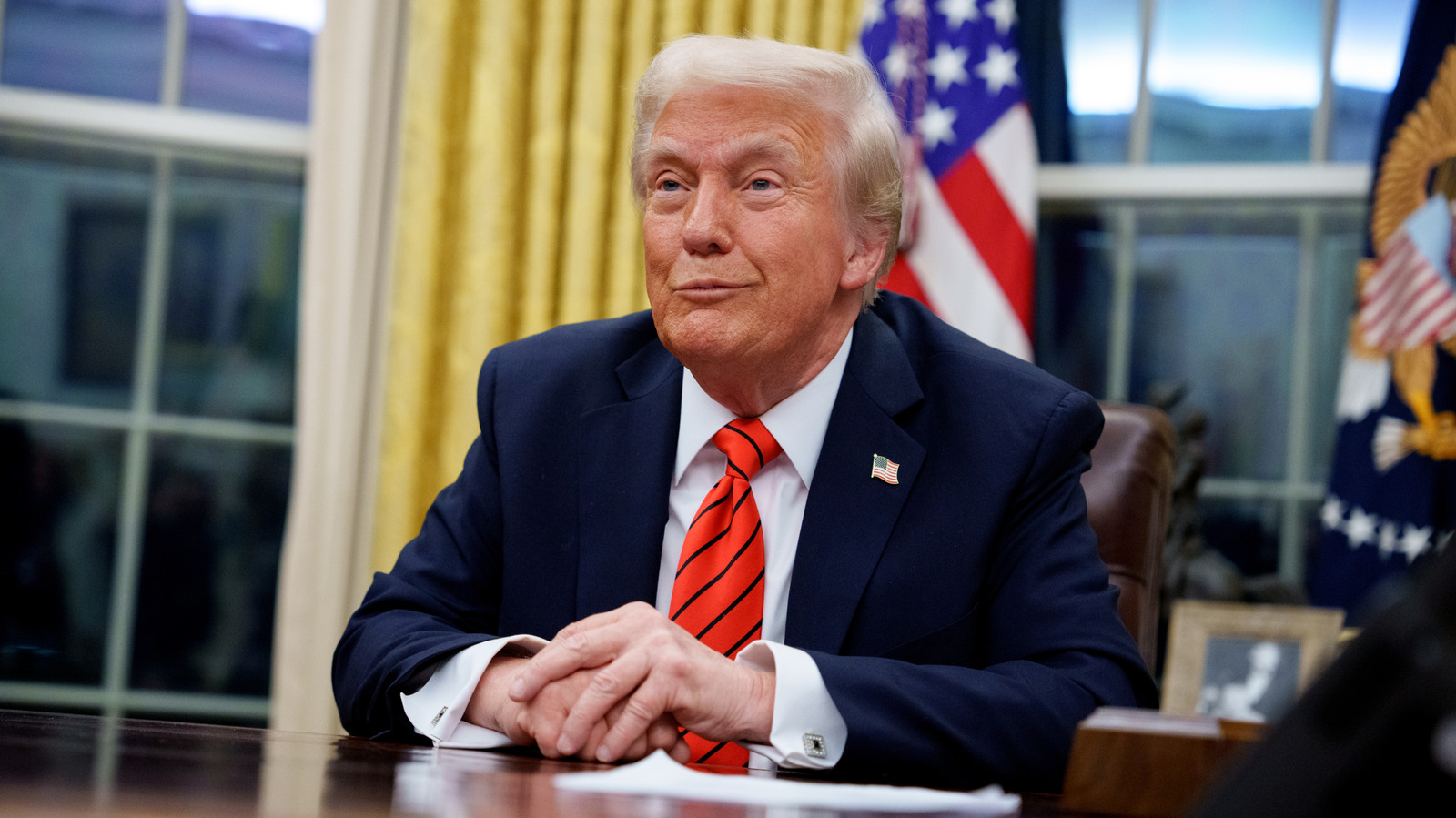
President Trump has pardoned nine additional diesel tuners convicted of violating the Clean Air Act. The move extends a pattern from his administration targeting emissions enforcement actions that intensified during his first and second terms.
These tuners sold and installed "rolling coal" devices and engine modifications that disabled or circumvented emissions controls on pickup trucks and other diesel vehicles. The modifications boost horsepower and torque while dramatically increasing particulate matter, nitrogen oxides, and black smoke output. Rolling coal has become a cultural touchstone in truck culture but remains illegal under federal law.
The Environmental Protection Agency and Department of Justice pursued aggressive enforcement against tuning shops throughout Trump's first term and into Biden's administration. Major prosecutions included cases against shops in Texas, Indiana, and other states. Convicted tuners received sentences ranging from probation to prison time and faced substantial fines.
Trump's pardons represent a direct rebuke of Clean Air Act enforcement priorities. The diesel tuning market exists in a legal gray zone where shops claim customers perform modifications for off-road use only, though vehicles regularly operate on public roads.
The broader context matters here. Emissions regulations have become increasingly polarized. Trump frames EPA enforcement as overreach targeting small business owners and truck enthusiasts. Environmental advocates and regulators view diesel tuning as a direct assault on air quality, particularly in communities already burdened by pollution.
The diesel tuning industry itself remains robust. Companies openly advertise tuning services, performance gains, and customer testimonials despite legal risks. Some operators operate with the assumption that enforcement swings with administrations.
These latest pardons signal that the Trump administration will deprioritize emissions prosecution. Whether Congress or future administrations will strengthen enforcement remains uncertain. The rollback of emissions rules during Trump's first term set precedents that his second term appears positioned to continue.